Deconfliction Won't Solve Disarmament
A new mechanism aims to prevent escalation in Lebanon.
Model Diplomat3 min readMiddle East
Deconfliction Isn't Disarmament—Israel Just Bought Time in Lebanon
US deconfliction cell cannot prevent escalation while Hezbollah keeps weapons and Netanyahu refuses withdrawal.
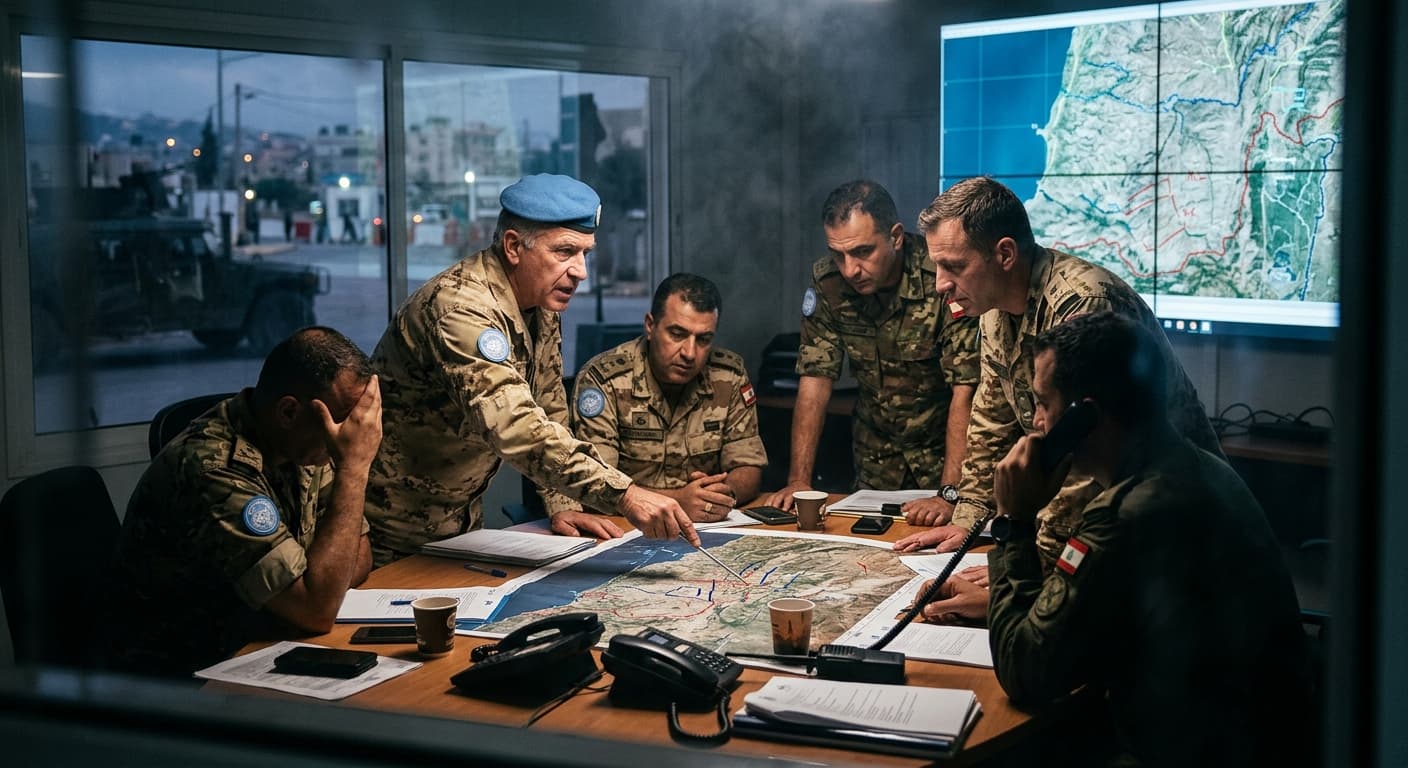
The US announced a "deconfliction cell" Monday to manage the ceasefire between Israel and Hezbollah in Lebanon. The mechanism is designed to let the parties communicate when isolated incidents flare, preventing minor clashes from spiraling into broader war. On its surface, the move signals teeth in what has been a collapsing ceasefire—sporadic fires, Israeli strikes, and Hezbollah rocket tests have kept the arrangement precarious since early June. But the deconfliction cell solves neither of the two problems that Washington and regional powers actually face: stopping Israel from using its occupation as cover to expand, or persuading Iran to accept Hezbollah remaining armed.
The cell's creation itself reveals the gap. Mediators Pakistan and Qatar said it would "ensure adherence of the termination of military operations in Lebanon," but neither Israel nor Hezbollah signed the underlying US-Iran deal that mandates the ceasefire. Netanyahu has vowed to keep Israeli forces in southern Lebanon "until any threat to Israel is eliminated," and Hezbollah has refused to halt attacks unless Israel commits to withdrawal. The deconfliction mechanism is a referee for a game neither side agreed to play by the same rules.
The real tension sits elsewhere. Washington and the Lebanese government are pushing Hezbollah disarmament under state control—a demand backed by Saudi Arabia, Egypt, and now framed by US Secretary of State Marco Rubio as non-negotiable. Iran, as Hezbollah's principal backer, has repeatedly rejected this. US Vice President JD Vance has reframed the ceasefire as a success if violence merely stays low, but that lower-intensity equilibrium requires Israel to forgo deep strikes into Lebanese territory and Hezbollah to refrain from provocation. Both are treating the ceasefire as a tactical pause, not an endpoint.
Where the mechanism actually breaks down is on the ground. Israel's Defence Minister told Reuters last week that Israeli forces would not withdraw from the "buffer zone" in southern Lebanon, directly contradicting a State Department claim that Israel had already pulled back from part of it. A senior Lebanese military official countered that Israeli forces were actively blocking Lebanese troops from approaching the buffer zone—not the behavior of a partner committed to territorial restoration. With Israeli troops still present and Hezbollah's arsenal intact, the deconfliction cell is managing a standoff, not enabling a settlement.
The cell's real target audience is Iran. Washington is signaling that it takes Lebanon seriously enough to stand up a formal communication channel and is trying to prevent an Iranian threat to the broader US-Iran memorandum of understanding. Iranian Foreign Minister Abbas Araghchi said the cell would be "the first real test" of whether negotiations can proceed, and Tehran has made clear that continued Israeli strikes would trigger either escalation or a walkback of the entire deal. The US cannot afford that. But it also cannot force Israel to withdraw or Iran to abandon Hezbollah. The deconfliction cell is the instrument of a mediator out of leverage.
Watch for the next round of Israeli-Lebanese talks in Washington and whether the "pilot zone" proposal—Israeli withdrawal from small areas to allow Lebanese army deployment—gets traction. If Israel uses it to trade territory for Hezbollah disarmament, the ceasefire might calcify. If Israel treats it as window dressing while maintaining its occupation, the deconfliction cell will face its first real test within weeks.
Discover more
Global Politics
Trump's Conflicting Messages on Iran War
Trump's mixed messages on Iran reflect a strategy of audience management, benefiting Tehran amid a complex geopolitical landscape.

International Relations
Pakistan's Key Role in US-Israel-Iran Meddle
Pakistan is seeking to mediate the US-Israel-Iran conflict, balancing high-stakes diplomacy against severe economic pressures and steep regional challenges.

Global Politics
US Seizes Iranian Ship, Tensions Surge
The US seizure of the Iranian ship Touska highlights a shift in control over the Strait of Hormuz, favoring Iran's strategic position.

Conflict & Security
Drone Warfare Killing Aid Workers at Unprec
Over 1,000 humanitarian workers killed in three years as cheap armed drones collapse legal protections. Gaza, Sudan, Ukraine, and DRC see deliberate targeting of aid convoys and hospitals with zero prosecutions.