Congress Under Fire for Sexual Harassment
Allegations against Rep. Swalwell highlight systemic issues in Congress.
Model Diplomat2 min readUnited States

Congress Reckons With Persistent Sexual Harassment Culture
Recent allegations against Rep. Eric Swalwell spotlight an entrenched problem of sexual misconduct on Capitol Hill with wider implications for political accountability.
Congress is facing renewed scrutiny over sexual harassment after a former staffer accused Rep. Eric Swalwell of sexual assault in 2024, alongside additional claims from several women alleging unsolicited nude images. This latest exposure underscores the persistence of harassment within the political culture even as lawmakers publicly commit to zero tolerance.
Why the Swalwell Case Is More Than a Scandal
Eric Swalwell’s case is notable not just for the nature of the allegations but for what it reveals about accountability gaps on Capitol Hill. Swalwell, a prominent California Democrat, has denied the claims, but the fact that these accusations emerged two years after the alleged assault—and only now gained public attention—reflects systemic obstacles victims face in speaking out. Furthermore, the reports of unsolicited nude images echo patterns documented in past congressional harassment cases, emphasizing a deeply ingrained culture that normalizes misconduct.
The issue extends beyond Swalwell. Congress has long struggled with how to handle sexual harassment complaints effectively. A 2021 Inspector General report found that harassment is underreported and that victims often fear career retaliation or disbelief. The power imbalance in congressional offices—where staffers depend on lawmakers for careers—complicates transparency and accountability. This culture discourages whistleblowing, allowing misconduct to persist.
Political and Institutional Stakes
Congress’s credibility suffers as it grapples with this recurring problem. Public trust in elected officials is already low, according to Gallup polls showing congressional approval below 20%, and revelations like these reinforce perceptions of a toxic political environment. For Democrats, Swalwell’s case arrives amid efforts to position themselves as champions of women’s rights, creating political pressure to respond robustly. Republicans may seize the moment to criticize the current leadership’s handling of harassment issues.
Institutionally, Congress has revamped harassment policies since the 2017 MeToo wave, creating new complaint processes and oversight bodies. Yet enforcement and cultural change lag behind policy reforms. The Swalwell allegations expose how these measures fall short without full transparency, independent investigations, and protections for accusers.
What to Watch Next
Key to monitoring this issue will be how congressional leadership addresses the Swalwell allegations and whether victims’ voices are taken seriously across party lines. Will reforms accelerate toward greater accountability, such as independent ethics investigations or structural changes to staff protections? Or will political calculus dilute responses, allowing harassment to remain embedded?
The case also reignites debate over the wider #MeToo movement’s impact on political culture—Congress serves as a cultural barometer for how U.S. society confronts sexual misconduct in power dynamics. Progress here would resonate far beyond Washington.
For now, the Swalwell case is a stark reminder that sexual harassment on Capitol Hill remains not an exception, but a persistent norm requiring urgent, systemic change.
For more on the politics shaping this conversation, see United States politics and the broader
Global Politics context.
Discover more
US Politics
Congress Sexual Harassment Crisis Exposed
A CNN report exposes Congress' ongoing sexual harassment crisis, spotlighting systemic failures in handling complaints, accountability, and workplace reform.

Conflict & Security
Drone Warfare Killing Aid Workers at Unprec
Over 1,000 humanitarian workers killed in three years as cheap armed drones collapse legal protections. Gaza, Sudan, Ukraine, and DRC see deliberate targeting of aid convoys and hospitals with zero prosecutions.
Global
World Normalises Taliban as Afghan Women Eras
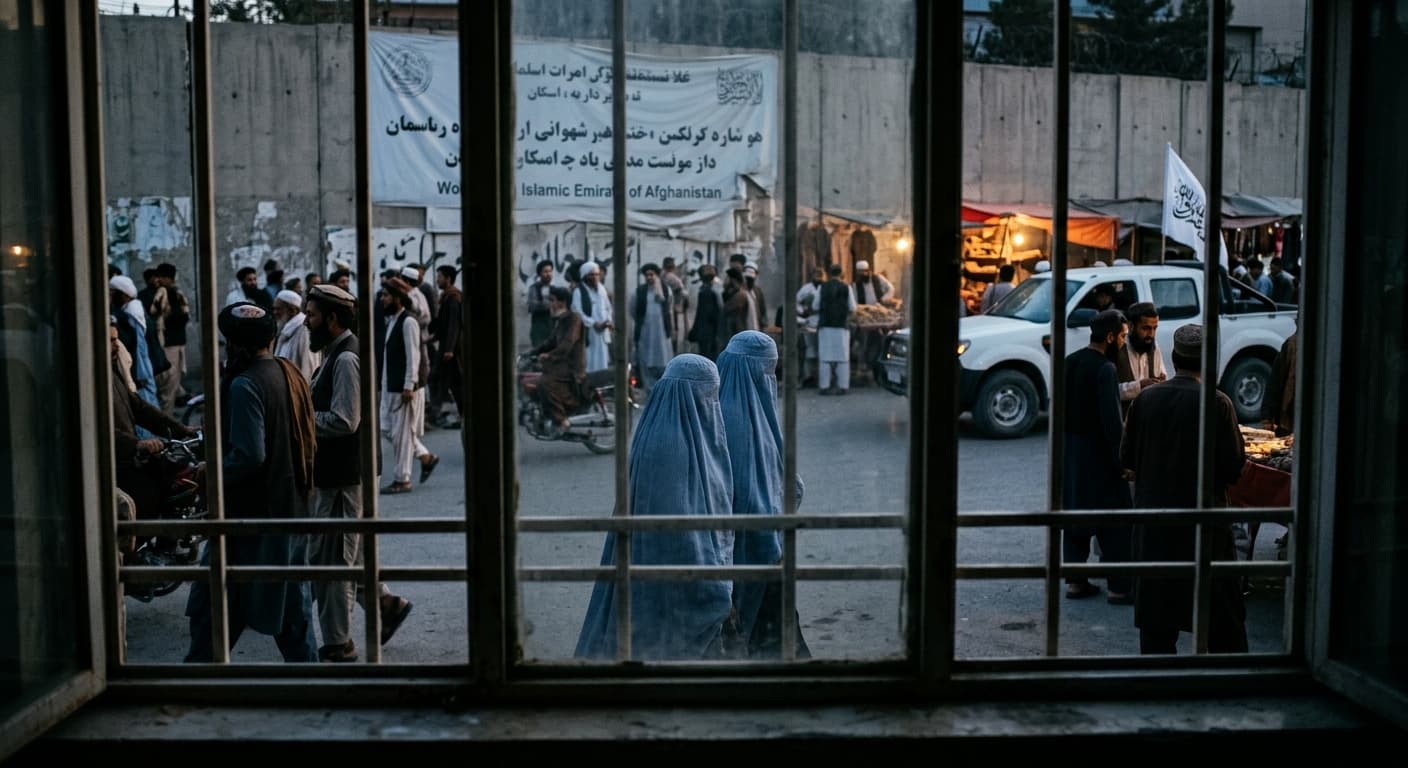
UN data shows Afghan women erased from public life as Russia recognises the Taliban, EU hosts officials in Brussels, and ICC warrants for gender persecution go unenforced.
Conflict & Security
West Africa Food Crisis: Three Shocks in 2026
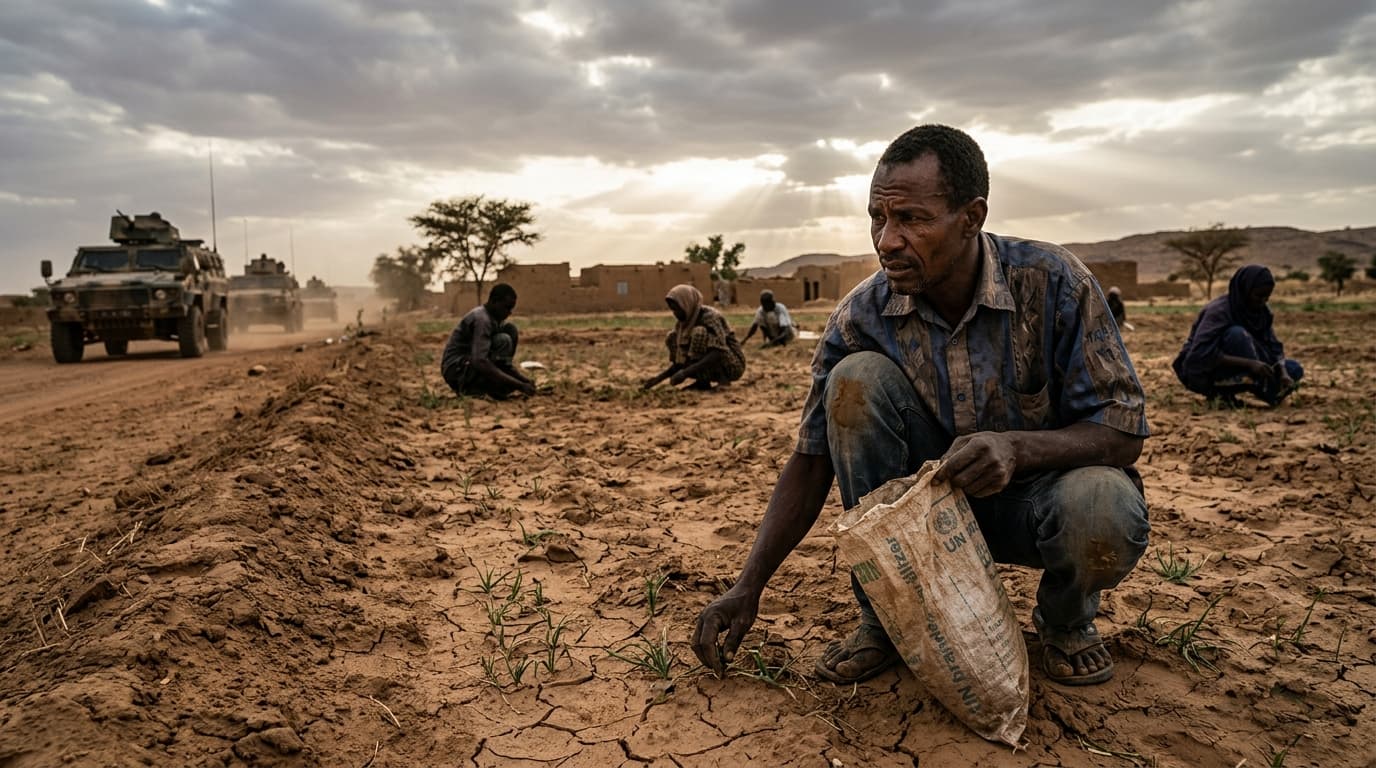
Conflict, climate extremes, and the Strait of Hormuz closure drive a severe food crisis in West and Central Africa, with fertilizer prices surging 80% and millions displaced.