CJI Surya Kant's Call for True Social Justice
Kant emphasizes societal change for true justice.
Model Diplomat3 min readAsia
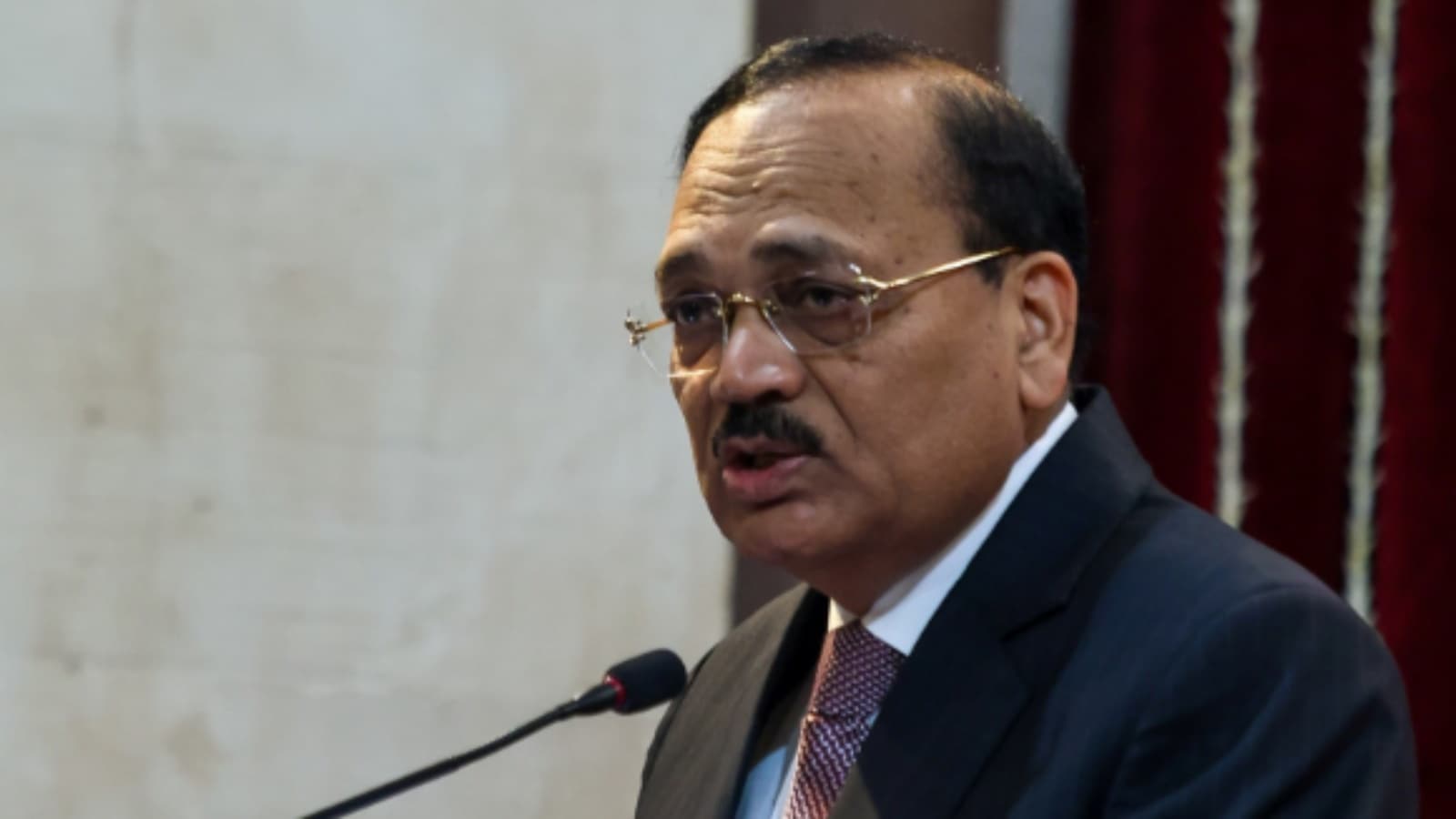
CJI Kant’s warning: social justice still belongs to the future
Surya Kant is using Dinkar to argue that constitutional equality has not yet become social reality — and that courts alone cannot finish the job.
Chief Justice of India Surya Kant’s remarks at the Rashtrakavi Shri Ramdhari Singh Dinkar memorial lecture are less a literary tribute than a diagnosis of the state’s limits. Constitutional safeguards have not dissolved caste, class, or identity-based discrimination, he said on Wednesday, adding that “true justice” depends on society’s willingness to change, not just on verdicts from the bench, according to The Indian Express.
What Kant is really saying
The message is straightforward: the judiciary can set the rules, but it cannot manufacture equality by itself. Kant said the law provides “a framework and a direction,” yet the burden of walking that direction rests with society, and that a mindset lacking equality and respect will keep the law’s reach limited, The Indian Express. That is a significant admission from the head of the Supreme Court. It shifts the debate away from whether the Constitution is adequate and toward whether institutions — schools, employers, local power structures, and the state itself — have actually internalized it.
His use of Dinkar’s Rashmirathi matters because it frames social justice as a civilizational argument, not a narrow legal one. Kant invoked Karna as the figure who exposes a society that judges by caste and lineage rather than merit, dignity, or conduct, The Indian Express. That framing lets the CJI speak beyond the courtroom and into the moral language of the republic — useful territory for a judiciary that wants to remain seen as the guardian of the Constitution’s promises, not just its procedure. For more on the constitutional angle, see
India and
Global Politics.
Why this lands now
The remarks also track a practical problem: the justice system is still carrying the load of unresolved inequality. A PTI dispatch carried by The Week said Kant added that reports now suggest artificial intelligence can show bias against the poor, extending his point into the digital era. That widens the frame. If even emerging technology reproduces old hierarchies, then the state’s equality project is not just incomplete — it is being automated.
There is also institutional subtext. On Tuesday, the Union Cabinet approved increasing the Supreme Court’s sanctioned strength from 34 to 38, a move The Hindu described as aimed at easing the court’s backlog and clearing constitutional cases faster, The Hindu. That matters because Kant’s lecture sounds like the kind of moral pressure that accompanies a capacity problem: the court wants to speak more clearly on equality, but it is also asking for more room to decide the cases that test it.
What to watch next
The next test is whether Kant’s rhetoric stays ceremonial or turns into judicial priority. Watch for three things: whether the expanded bench strength is actually approved by Parliament; whether the Supreme Court takes up more equality-heavy constitutional matters faster; and whether the court begins treating algorithmic bias, not just caste discrimination, as a justiciable equality issue. The date to watch is the next parliamentary session, when the government is expected to bring the bill raising the court’s strength, The Hindu.
Bottom line: Kant is telling the political class that law has done its part. The harder work — social compliance — is still unfinished.
Discover more
India
CPI(M) Calls to Decouple Quota from Delimita
CPI(M) demands the Indian government to separate quota policies from delimitation to enhance representation for marginalized communities.
India
Women’s Reservation Bill 2026
The Women’s Reservation Bill's defeat reveals a deeper battle over delimitation, impacting India's electoral landscape and gender representation.
India
Congress Accuses Modi of Stalling Women's Law
Congress accuses Modi's government of delaying the women's reservation bill for political gain, risking women's representation in India.
Global Politics
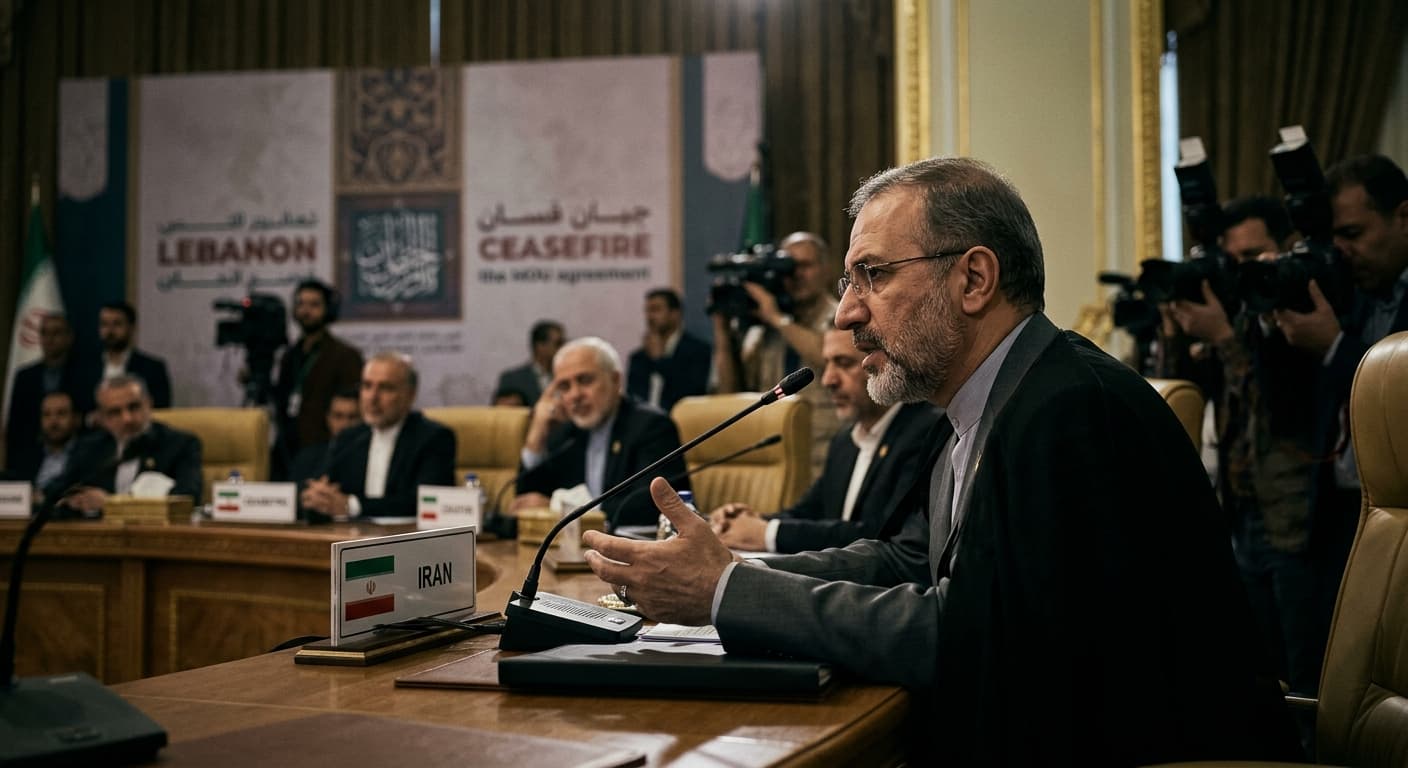
Iran Demands US Enforce Ceasefire
Iran insists the US must enforce a ceasefire in Lebanon to uphold the MoU.