CIA Analysis
Tehran's resilience against U.S. sanctions and naval blockade
Model Diplomat3 min readMiddle East
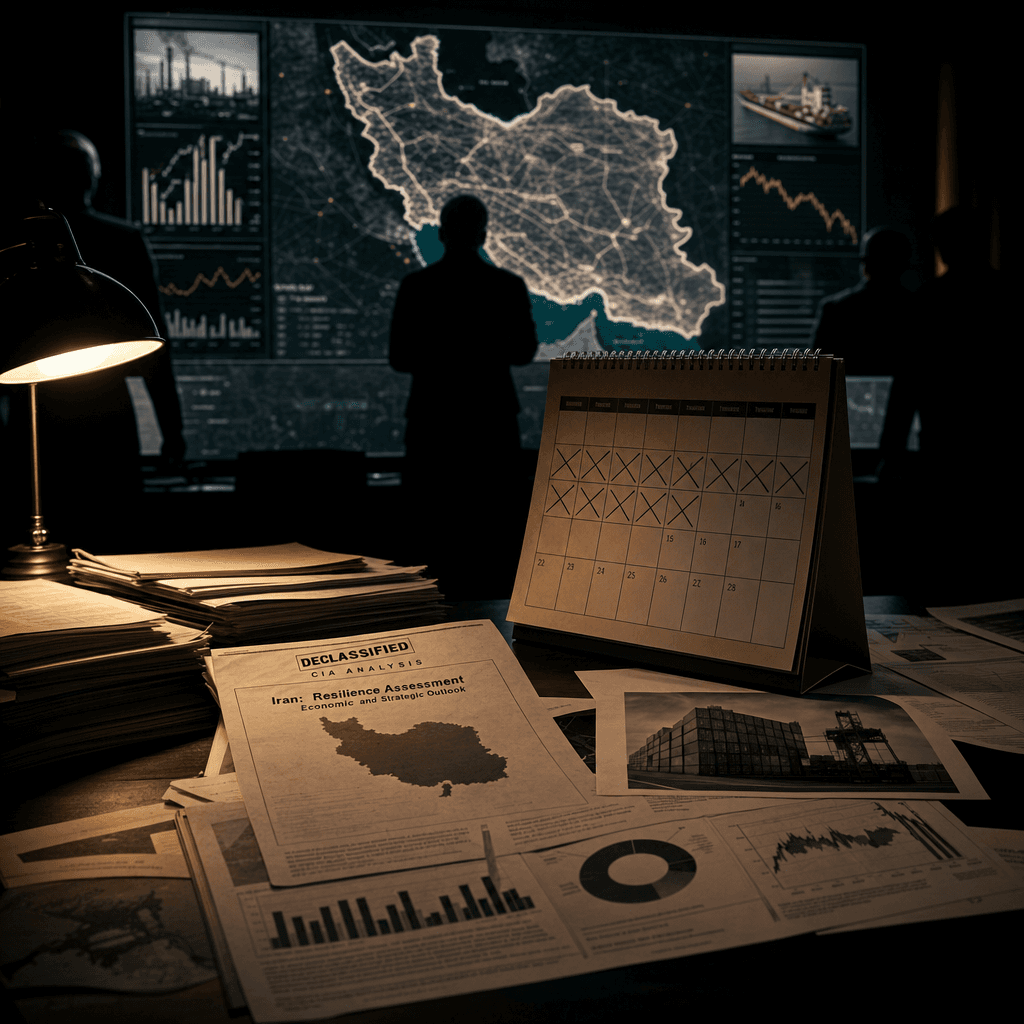
CIA Says Iran Can Absorb Four Months of Pressure
Washington thinks sanctions and blockade will hurt Tehran, but not fast enough to force a collapse; Hormuz still gives Iran leverage over oil and prices.
Tehran is being told it can ride out the squeeze. A BBC Somali report, citing CIA analysis, says Iran can withstand U.S. sanctions and naval pressure for about four months before the pain becomes more acute (BBC News Somali). The Washington Post reported the same intelligence judgment this week, saying a confidential CIA assessment concluded Iran could survive the U.S. naval blockade for three to four months before facing severe economic hardship (
The Washington Post).
Washington has the military edge, not the clean win
That estimate changes the politics in Washington more than it changes the battlefield. If U.S. planners expected sanctions and maritime pressure to produce a quick Iranian climbdown, the CIA is effectively saying otherwise. Reuters reported that U.S. intelligence agencies are already gaming how Iran would respond if President Donald Trump declares a unilateral victory, which tells you the White House is looking for an exit narrative even while it keeps the pressure on (Reuters).
The leverage split is clear: the United States can hurt Iran at sea, but Iran can still make the wider market pay. BBC Somali’s reporting says the fighting and maritime disruption have already pushed up global fuel prices, while Reuters has warned that reopening the Strait of Hormuz is easier than restoring oil flows once shipping is disrupted (BBC News Somali;
Reuters). That is why even partial Iranian disruption matters: it is not a battlefield win, it is a price-setting weapon.
Iran’s real asset is time
Iran’s advantage is not that sanctions are harmless. It is that the regime believes it can absorb more pain than Washington can sustain politically. Al Jazeera’s reporting on the blockade argued that Iran has alternative ways to store or sell oil and that analysts see it surviving a tough sanctions regime longer than the Trump administration’s patience (Al Jazeera). That matches the broader pattern in this conflict: Tehran has kept its response calibrated enough to avoid immediate collapse, while still threatening the shipping lane that carries a large share of global energy trade.
This is why the CIA estimate matters. If Iran can hold on for months, then pressure alone does not solve the problem; it just stretches the war into a contest of endurance. That favors the side with more room to maneuver politically, not necessarily the side with the stronger navy. For a wider policy lens, see Global Politics and
Conflict.
What to watch next
The next decision point is whether Washington treats the CIA assessment as a warning to bargain or as a reason to escalate. Watch for two signals: any move to tighten maritime enforcement around Hormuz, and any public Trump claim that the war is effectively won, which Reuters says intelligence agencies are already modeling as a possible off-ramp (Reuters). If Tehran keeps oil moving through indirect routes while keeping Hormuz threatening, it will have turned time into leverage.
Discover more
Global
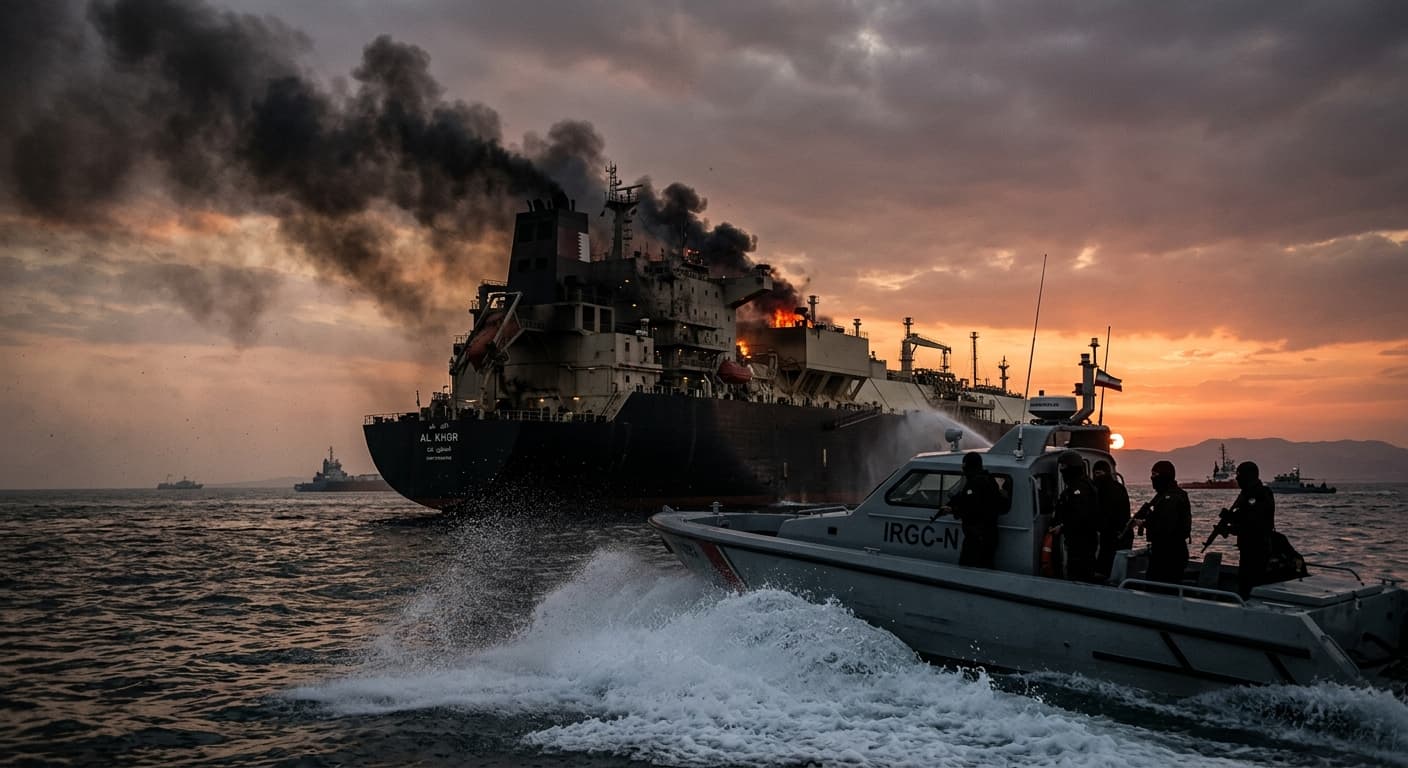
Qatari Tanker Strike Exposes Hormuz Tensions
A Qatari tanker was struck off Oman, revealing the fragility of the Hormuz ceasefire and Iran's influence over maritime security.
Global
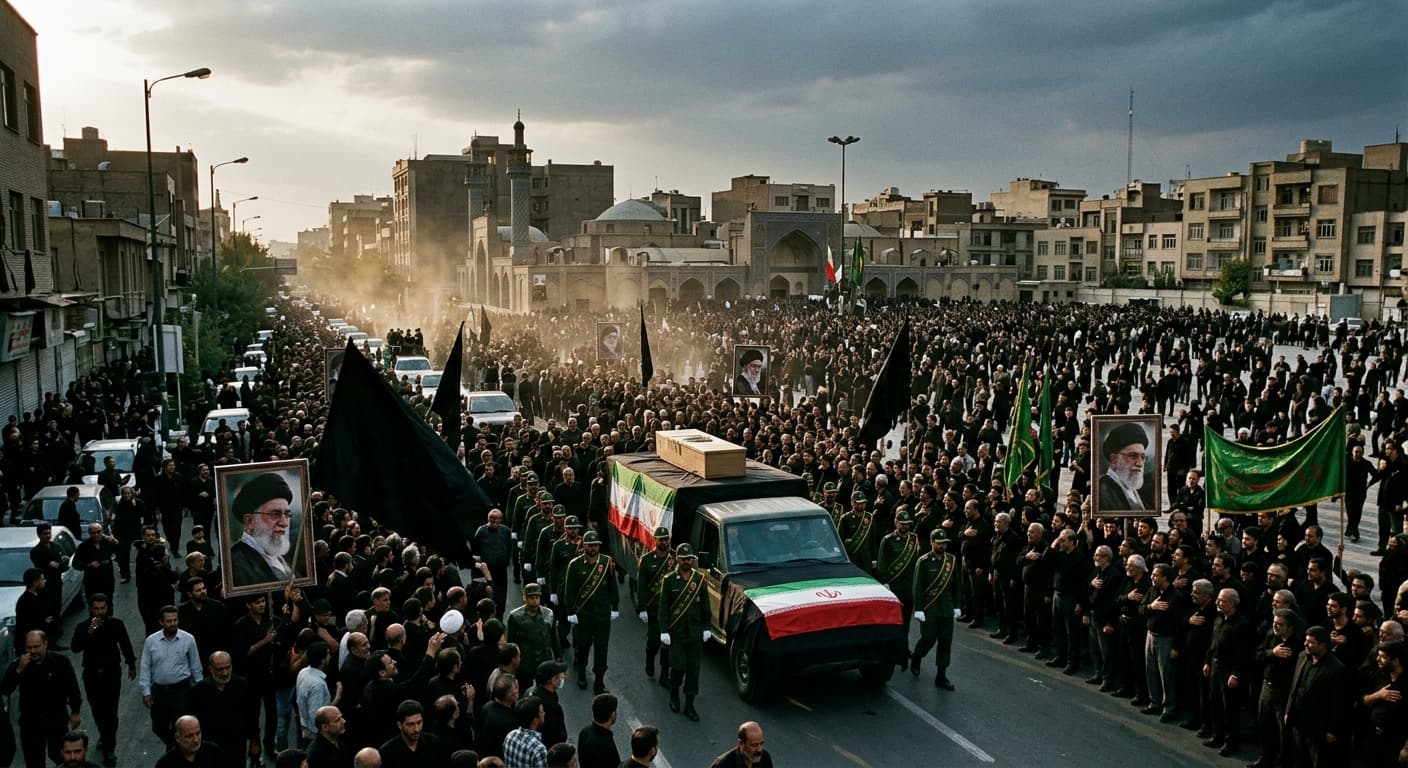
Khamenei's Funeral Signals Iran's Decline
The funeral of Ayatollah Khamenei highlights Iran's diminished influence in the Gulf, with regional powers now dictating terms.
Global
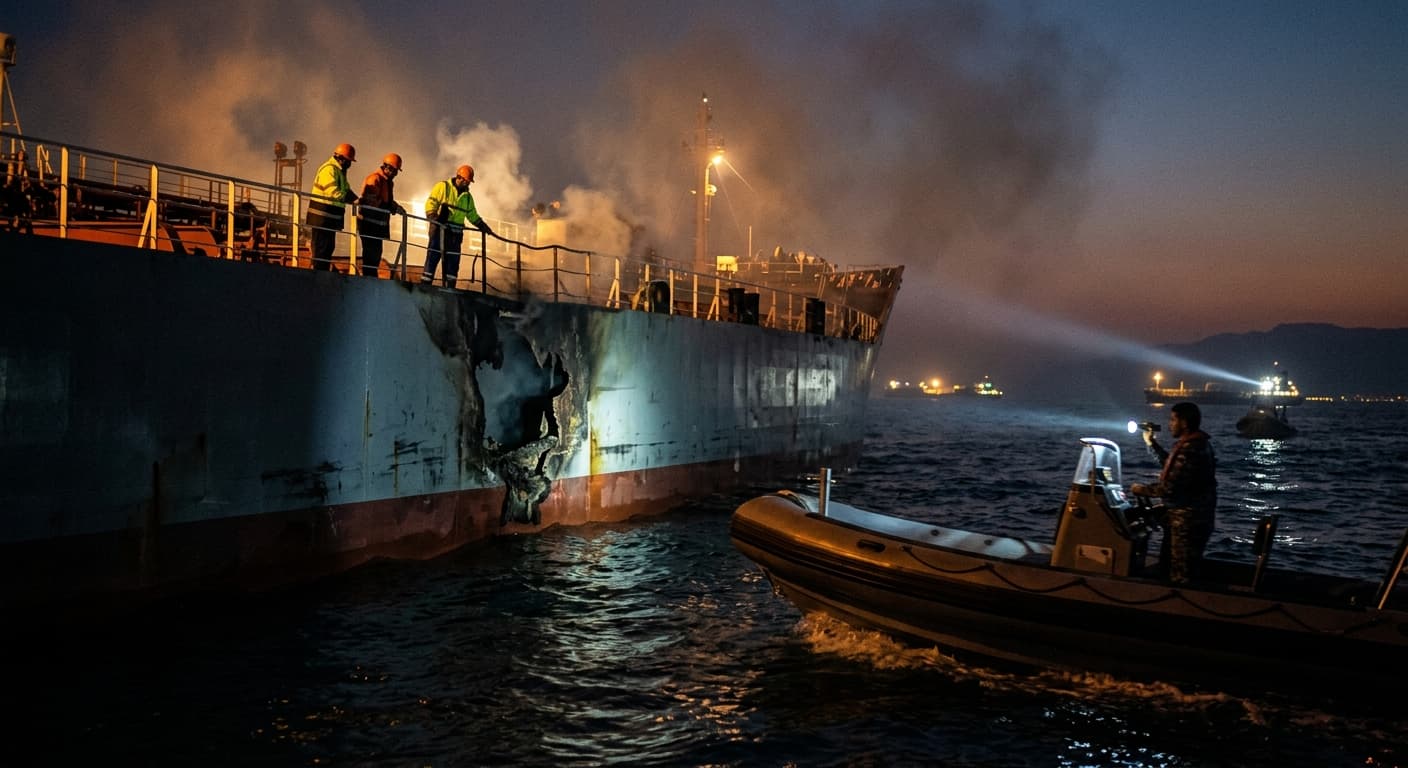
Iran's Hormuz Missile Strikes: A Toll Booth
Iran's missile attack on a Qatari-linked tanker highlights Tehran's strategy to control the Strait of Hormuz, impacting Gulf states and maritime law.
Tech Policy
Iran's Cavern Manticore Targets Israel's IT
Cavern Manticore, an Iran-linked hacking group, targets Israeli IT vendors, prompting a shift in Israel's cybersecurity policy and legislative efforts.