China Bans New Zealand MPs Over Taiwan Trip
Beijing's travel bans signal a shift in diplomatic relations.
Model Diplomat3 min readAsia
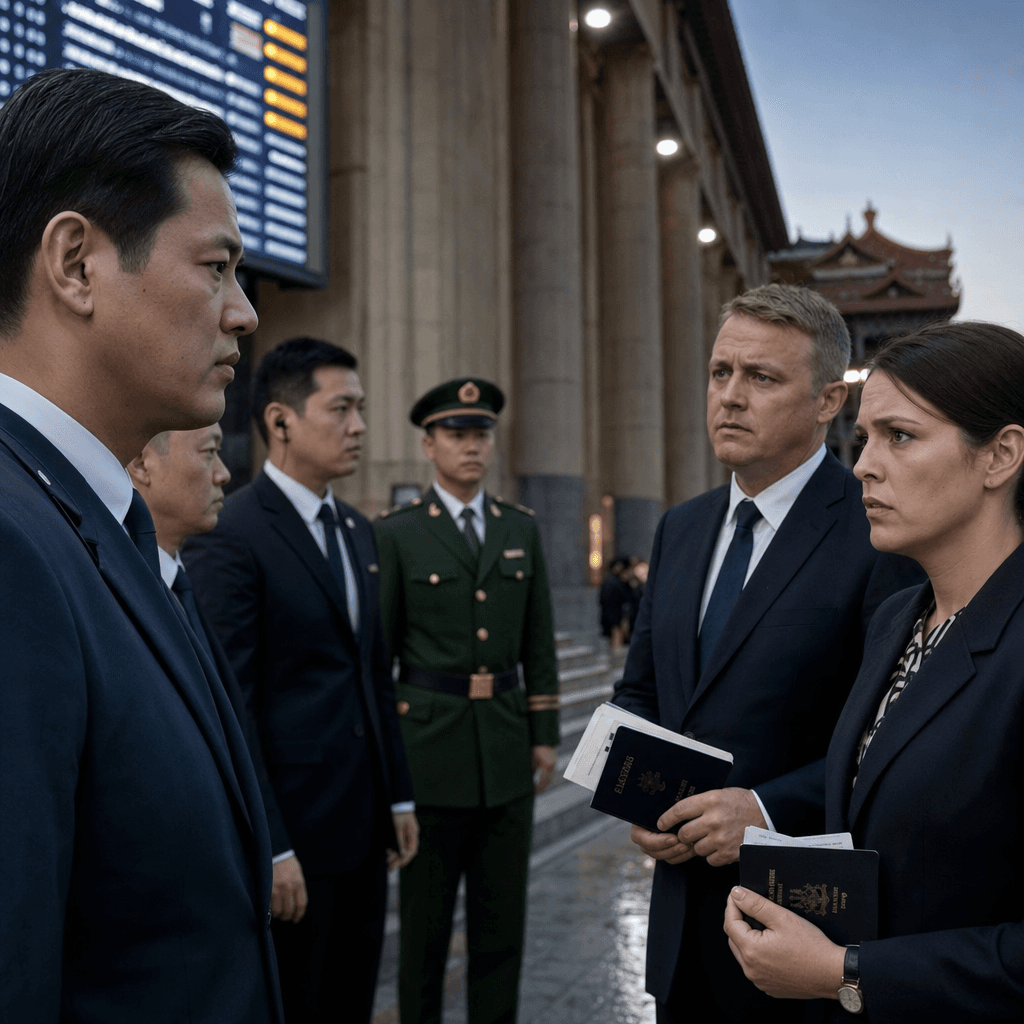
China’s New Red Line: Why Beijing Banned Kiwi MPs
Beijing's unprecedented travel bans on four New Zealand lawmakers signal a sharp escalation in its global campaign to isolate Taiwan and curtail legislative diplomacy.
Beijing has broken a long-standing diplomatic truce with Wellington by imposing its first-ever travel bans on New Zealand lawmakers who visited Taiwan, drawing immediate protests from both New Zealand and Australia. The Chinese Embassy in Wellington announced on Thursday that four Members of Parliament—Maureen Pugh, Duncan Webb, David Wilson, and Laura McClure—have been barred from entering mainland China, Hong Kong, and Macau for one year, according to a report by Bloomberg. Beijing accused the lawmakers, who met with Taiwanese Vice President Hsiao Bi-khim in May, of violating the "One China" principle and sending the “wrong signals” to Taipei, as reported by
Al Jazeera. This aggressive move marks a departure from historical precedent and sets a chilling new standard for Beijing's dealings with middle powers.
Deterrence Through Diplomatic Asymmetry
Beijing aims to compel compliance from Western middle powers by imposing escalating personal costs on individual policymakers rather than risking broad economic blowback. For decades, Western backbench MPs have treated Taiwan travel as a standard tool of unofficial parliamentary diplomacy, operating under the assumption that such trips are distinct from formal state-to-state relations. By sanctioning a cross-party cohort, China is attempting to erase this distinction, treating all parliamentary contact with Taipei as a direct violation of its state sovereignty. In particular, the Chinese Embassy signaled its leverage by offering to lift the bans if the lawmakers apologized, a demand that MP Laura McClure swiftly rejected, as reported by the NZ Herald.
This targeted leverage exploits the vulnerability of New Zealand's export-reliant economy, which is heavily exposed to China, its largest trading partner. Although Wellington has traditionally pursued a cautious, "trade-first" approach with China, the bans force Prime Minister Christopher Luxon's government into an uncomfortable corner. To back down or remain silent would signal that Beijing can dictate the international travel of New Zealand’s elected officials and reshape the rules of Global Politics. Foreign Minister Winston Peters instructed diplomats in Wellington and Beijing to lodge formal concerns to challenge this sudden departure from diplomatic norms.
The Trans-Tasman Reaction and Regional Fallout
This development has immediately reverberated across the Tasman Sea, drawing Australia into the fray as both nations grapple with their security architectures relative to the United States. Australian Foreign Minister Penny Wong quickly condemned the bans during a Senate hearing on Thursday, calling the actions "not appropriate" and affirming that parliamentary travel to Taiwan is a standard and acceptable practice, as reported by
Nine.com.au. Wong's intervention underscores a growing regional concern: if Beijing successfully normalizes travel bans on New Zealand politicians, Australian and European lawmakers will likely be targeted next.
The immediate geopolitical impact will be felt this weekend. Prime Minister Christopher Luxon is scheduled to meet Australian Prime Minister Anthony Albanese in Canberra on Saturday to discuss regional security, defense integration, and economic measures, according to Channel NewsAsia. What was meant to be a routine bilateral security talk will now be dominated by how the two nations can collectively coordinate a deterrence strategy against Beijing's legislative coercion.
What to Watch Next
The critical decision point is whether Wellington and Canberra will issue a joint, coordinated response during Luxon and Albanese's meeting on Saturday, June 6. Watch also for whether other Western nations, especially members of the Inter-Parliamentary Alliance on China (IPAC), deliberately schedule retaliatory high-profile visits to Taipei to challenge Beijing's new travel restriction regime. If Beijing expands these bans to other Western Parliaments without facing coordinated diplomatic pushback, it will have successfully established a new tool of global political coercion.
Discover more
Global
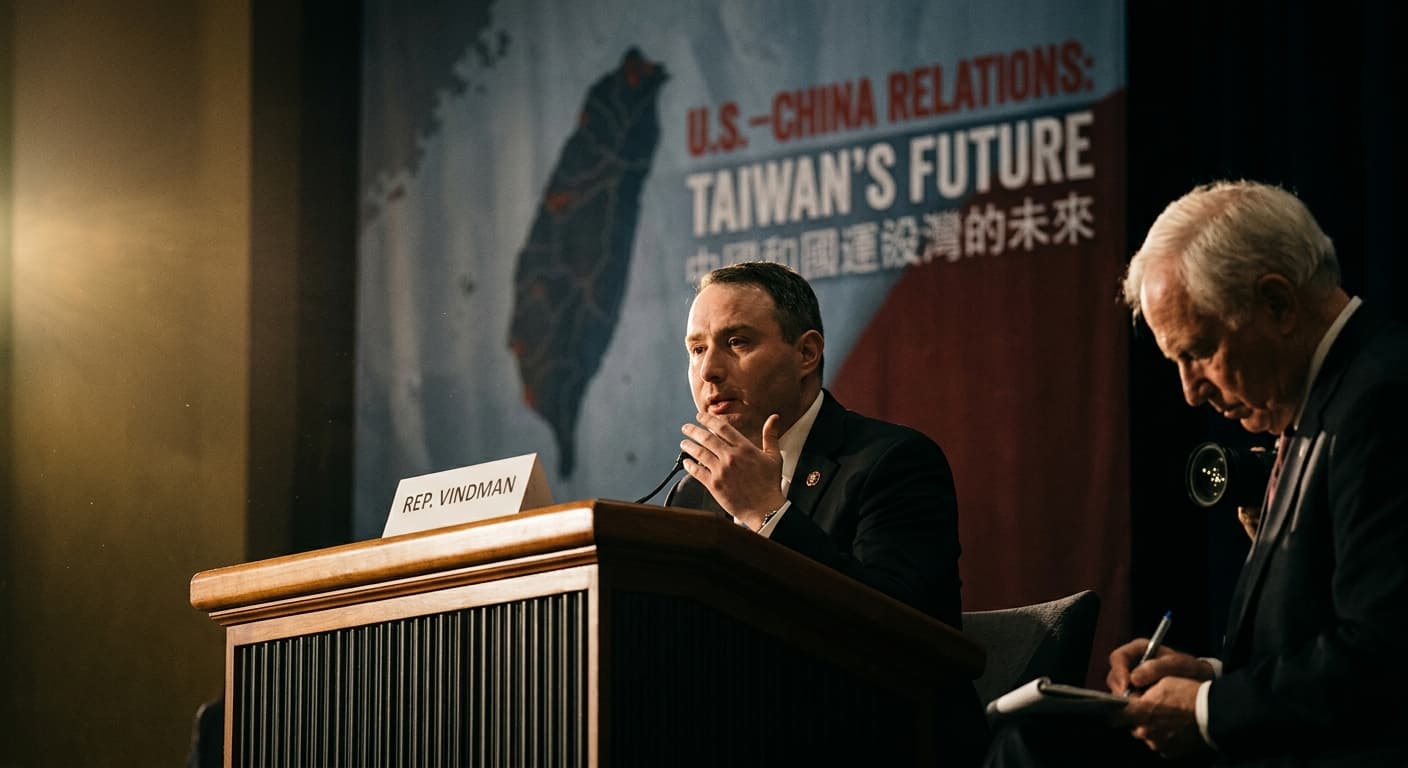
Vindman's Call for U.S. Response to China
Rep. Eugene Vindman highlights the urgent need for a U.S. strategy to counter China's gray-zone tactics against Taiwan, emphasizing economic stakes.
Global
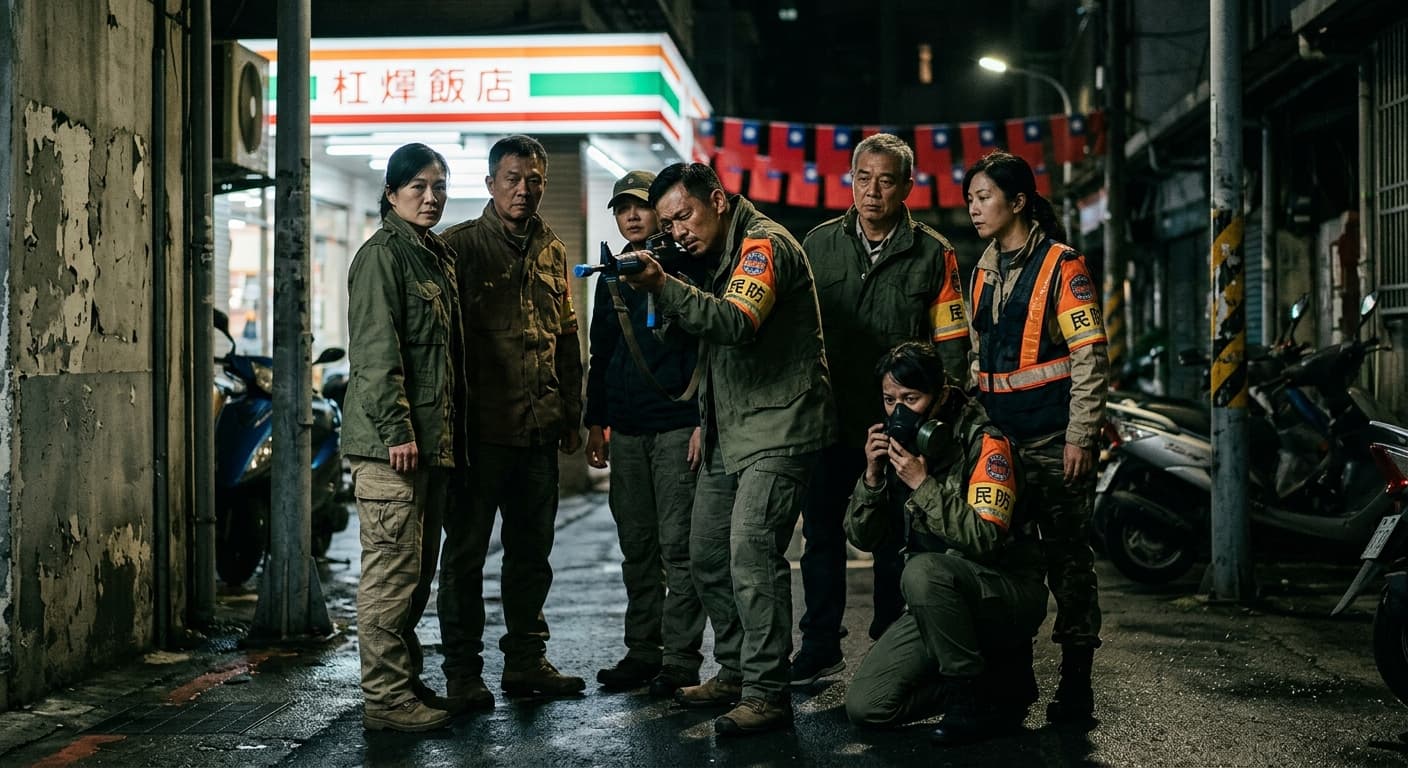
Taiwan's Civil Defense: Deterrence Strategy
Taiwan's National Security Council emphasizes civil defense drills as a deterrent against Chinese military aggression, amid budget cuts and rising tensions.
Global
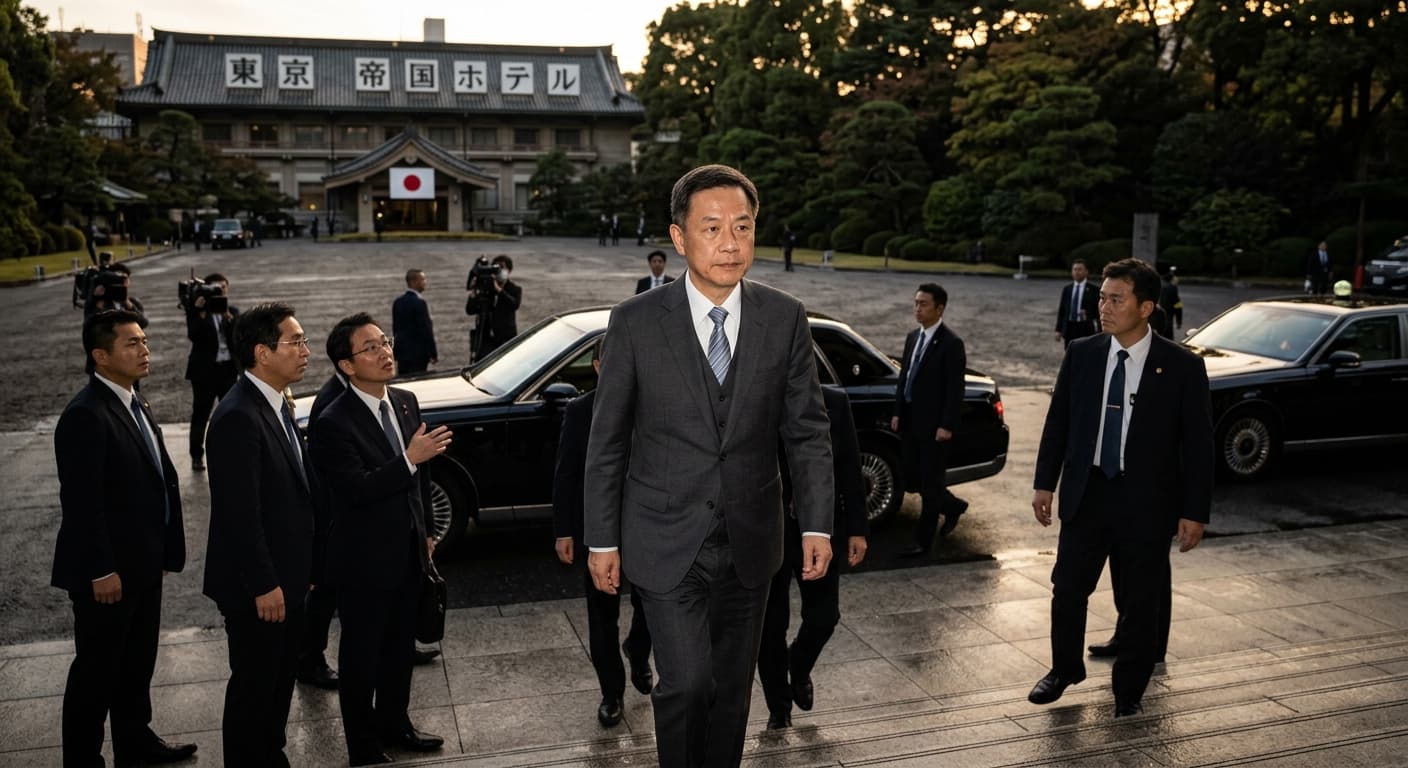
Taiwan Premier's Historic Tokyo Visit
Taiwan Premier Cho Jung-tai's visit to Japan breaks a 54-year precedent, signaling a shift in Indo-Pacific dynamics amid China's coercion.

India
Lipulekh Pass Reopens: India-China Trade
India and China reopen the Lipulekh Pass for cross-border trade, signaling a cautious thaw in relations after years of frozen frontier and diplomatic tensions.

