Alberta's Separation Vote: Carney's Response
Alberta's separation vote raises tensions with Ottawa.
Model Diplomat3 min readNorth America
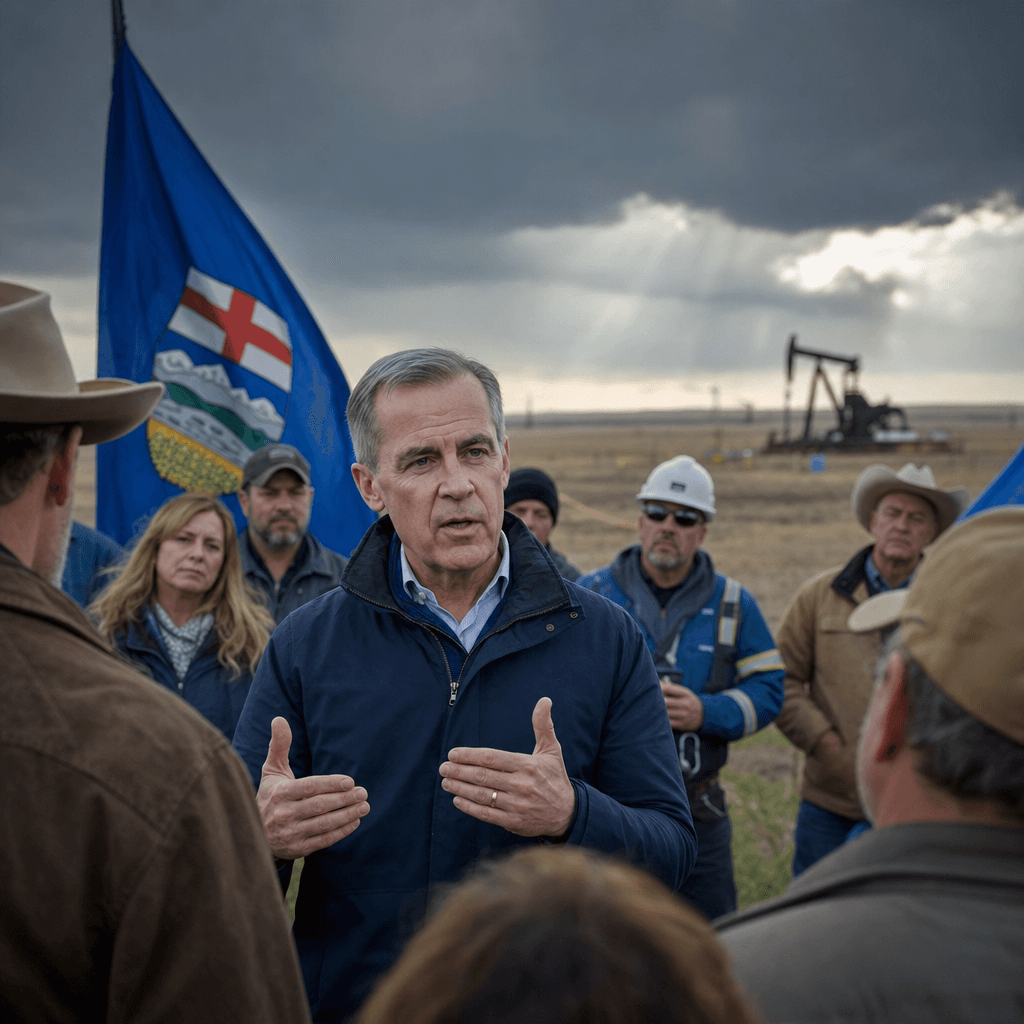
Carney Courts Alberta as Separatism Tests Canada
Ottawa is trying to lower the temperature while Alberta uses a separation vote to extract leverage on energy, powers and Indigenous consent.
Mark Carney is signaling that Alberta is too important to marginalize just as Premier Danielle Smith opens a new political front at home. Speaking Friday after Smith moved toward an October 19 referendum on whether Alberta should begin the legal process for a future separation vote, Carney said Alberta is “at the centre” of his economic plan and “essential” to “renovating the country,” while pointedly avoiding the separatist question itself (Al Jazeera). Smith, for her part, says she opposes leaving Canada but is pressing ahead with the ballot question after a court blocked a citizen-led separatist petition over failure to consult Indigenous groups (
Al Jazeera).
Alberta is using the threat, not the objective
This is less a clean break than a bargaining tactic. Alberta has long complained that federal climate policy and pipeline constraints have constrained its oil economy, and Smith has already won one tangible concession: a federal-provincial agreement to fast-track a pipeline to Canada’s west coast (Al Jazeera). Bloomberg reported the same day that Smith’s referendum move is a response to separatist pressure, with the vote set for October 19 and framed as a question about whether Alberta should “commence the legal process” toward a binding separation referendum (
Bloomberg).
That wording matters. As CBC News noted, Smith’s question is not an independence vote; it is a vote on whether to start a process that would still face constitutional hurdles. Ottawa keeps leverage because, under Canada’s legal framework, a province cannot unilaterally secede. Alberta’s leverage comes from its oil, its seats in Parliament and the fact that federal leaders cannot ignore a province that supplies a huge share of Canada’s export earnings.
The real fight is over legitimacy
The court ruling is the more consequential development. The Alberta judge blocked the separatist petition because the province failed to consult First Nations, a finding that strengthens Indigenous legal standing in any future breakup process (Al Jazeera;
CBC News). That gives Carney a politically safer line than a direct confrontation: he can defend national unity while insisting that any referendum must respect Indigenous rights and constitutional procedure, as
The Globe and Mail reported in its coverage of his comments.
Smith is trying to keep two audiences aligned at once. She needs separatists inside the United Conservative base to stay inside the tent, but she also needs investors and moderates to believe Alberta remains governable inside Canada. That is why she keeps saying she would vote to remain, even while building a path for separatist sentiment to be measured in public.
What to watch next
The next decision point is the court timeline and whether Alberta’s government appeals the ruling or tries to sidestep it through the October ballot package. Watch for three dates: any appellate ruling in the coming weeks, the formal wording of the October 19 referendum question, and whether Ottawa or First Nations broaden the legal fight from petition procedure to the deeper question of treaty rights. If the vote proceeds, the real test will not be whether Alberta chooses independence. It will be whether Smith can use the threat of separation without turning it into a permanent federal crisis.
Discover more
India
CPI(M) Calls to Decouple Quota from Delimita
CPI(M) advocates for a 33% women's quota in Lok Sabha by 2029, removing the need for delimitation and census linkage.
India
Romanian Coalition Party Demands PM Resign
Romania's Social Democrats withdrew from coalition, joining far-right AUR to topple PM Bolojan, risking €10 billion in EU funds by August 2026.

Conflict & Security
Drone Warfare Killing Aid Workers at Unprec
Over 1,000 humanitarian workers killed in three years as cheap armed drones collapse legal protections. Gaza, Sudan, Ukraine, and DRC see deliberate targeting of aid convoys and hospitals with zero prosecutions.

Global
World Normalises Taliban as Afghan Women Eras
UN data shows Afghan women erased from public life as Russia recognises the Taliban, EU hosts officials in Brussels, and ICC warrants for gender persecution go unenforced.