Senegal's Faye Dismisses Sonko, Shifts Power
Faye's move ends alliance with Sonko, reshaping Senegal's politics.
Model Diplomat3 min readAfrica
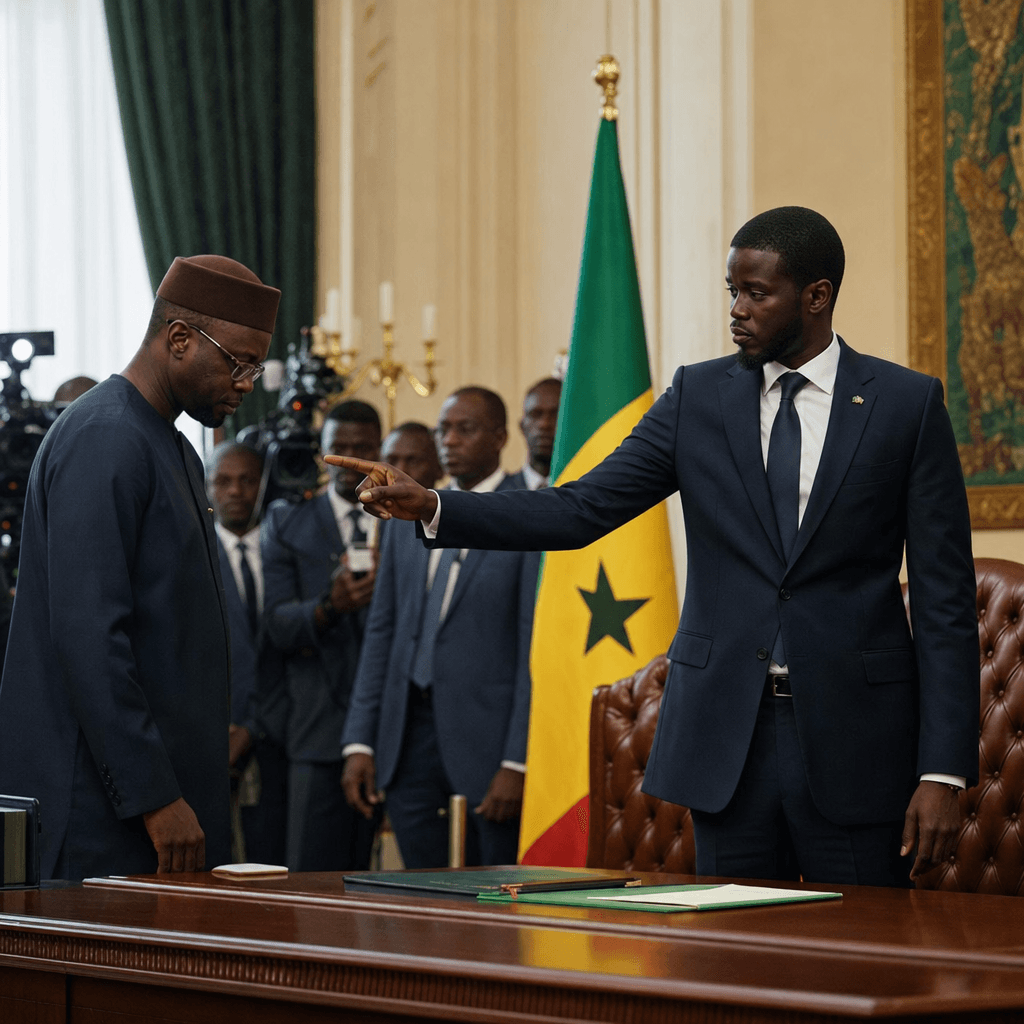
Senegal’s Faye Cuts Sonko Loose — and Reclaims Leverage
President Bassirou Diomaye Faye has dismissed Ousmane Sonko, ending the alliance that powered Pastef’s rise and opening a new test of control in Dakar.
President Bassirou Diomaye Faye has removed the most powerful political rival inside his own camp: Prime Minister Ousmane Sonko, the party leader who helped put him in office and then openly challenged his authority. The dismissal was announced on state media on Friday, with the government dissolved at the same time, according to Reuters and
The Associated Press. BBC Pidgin reported that the split had been building for months, after public disputes over coalition control and who should set the Pastef agenda (
BBC News Pidgin).
Why this matters
This is not a routine cabinet shake-up. It is a struggle over who owns the mandate. Sonko is the charismatic founder of Pastef and the face of its anti-establishment politics; Faye is the president with the formal constitutional power. That arrangement worked only while their interests overlapped. Once they diverged on policy and party control, the presidency became the stronger institution. As Reuters noted, Faye had already warned in early May that Sonko would keep the job only if he did it properly, after criticism over policy direction, including IMF talks (Reuters).
The timing is bad for both men, but especially for the government. Senegal is still negotiating with the IMF after the Fund froze its $1.8 billion program over misreported debt, with public debt now estimated at 132% of GDP, according to Reuters (Reuters). That means this split is not just personal politics; it goes straight to Senegal’s financing, reform credibility, and ability to stabilize prices. Pastef may dominate the National Assembly, but parliamentary strength does not solve a leadership split at the top of the executive. For readers tracking
Global Politics, this is a textbook case of a ruling movement discovering that winning power is easier than sharing it.
Who gains, who loses
Faye gains immediate institutional control. By sacking Sonko, he ends the ambiguity around who is running the government and signals to the IMF, donors, and business community that the presidency will not be dictated by the party base. That matters because Sonko had been pushing a more confrontational line on debt restructuring and resource contracts, while Faye has been more cautious, at least publicly (Reuters).
Sonko loses formal office, but not necessarily political weight. BBC Pidgin reported that he had already floated a return to opposition if Faye departed from Pastef’s agenda, and that tensions escalated after Faye moved to restructure the ruling coalition and Sonko’s camp rejected the choice of Aminata Touré as the president’s coalition lead (BBC News Pidgin). That suggests Sonko may now try to use his party machinery and street-level support to pressure the presidency from outside government.
What to watch next
The next decision point is simple: who replaces Sonko, and whether that nominee is seen as a technocrat or a party loyalist. Reuters reported no successor was named immediately, while finance officials were still talking up resumed IMF talks starting in the week of June 8 and a possible agreement by June 30 (Reuters). If Faye uses the vacancy to install a more compliant prime minister, he can steady external relations. If Sonko retaliates by pulling Pastef into open opposition, Senegal’s economic problem becomes a governing crisis.
Discover more
India
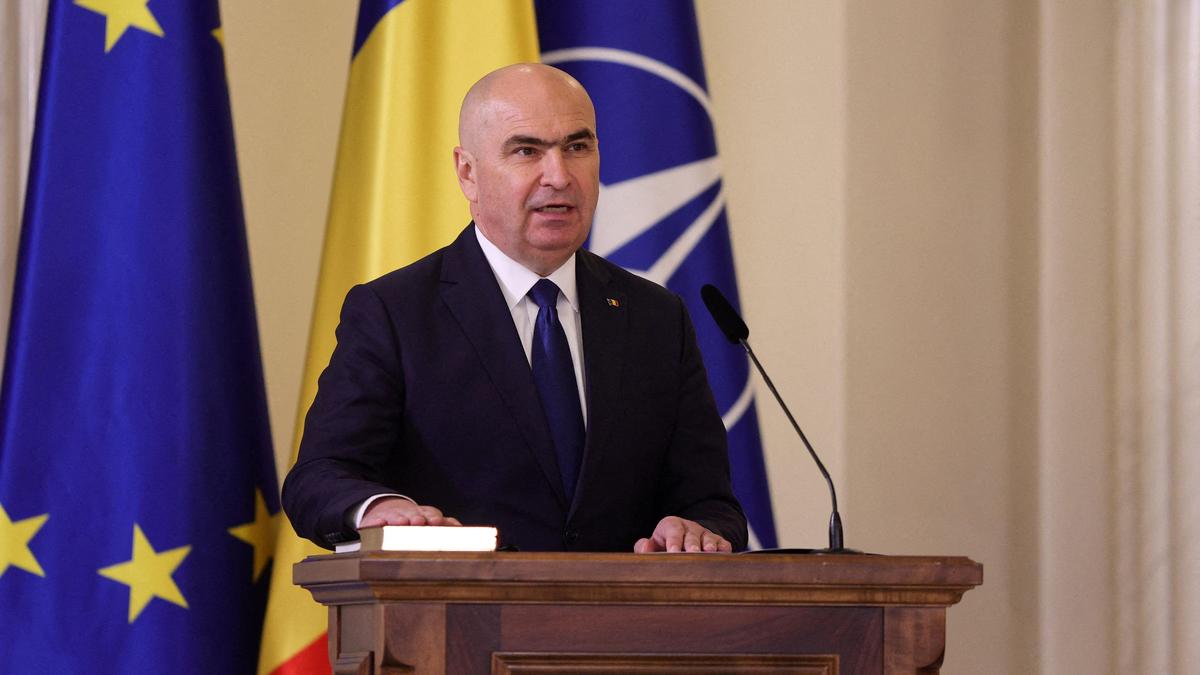
Romanian Coalition Party Demands PM Resign
Romania's Social Democrats withdrew from coalition, joining far-right AUR to topple PM Bolojan, risking €10 billion in EU funds by August 2026.

Global Politics
US Seizes Iranian Ship, Tensions Surge
The US seizure of the Iranian ship Touska highlights a shift in control over the Strait of Hormuz, favoring Iran's strategic position.
India
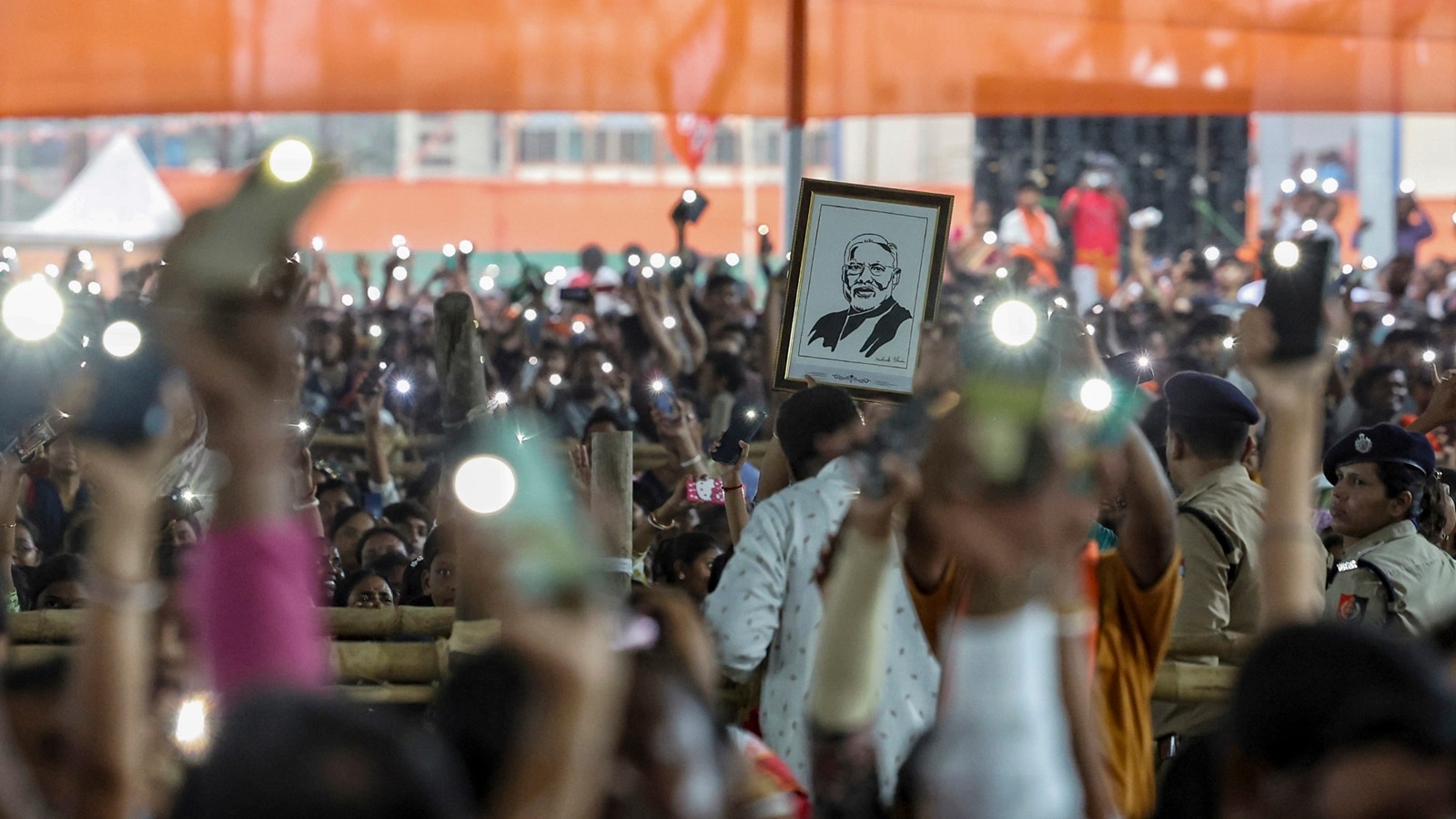
Modi's Women’s Convention in Varanasi
Modi's Varanasi rally frames women's reservation as a national mission, targeting the 2027 Uttar Pradesh elections with a strategic narrative.
Conflict & Security
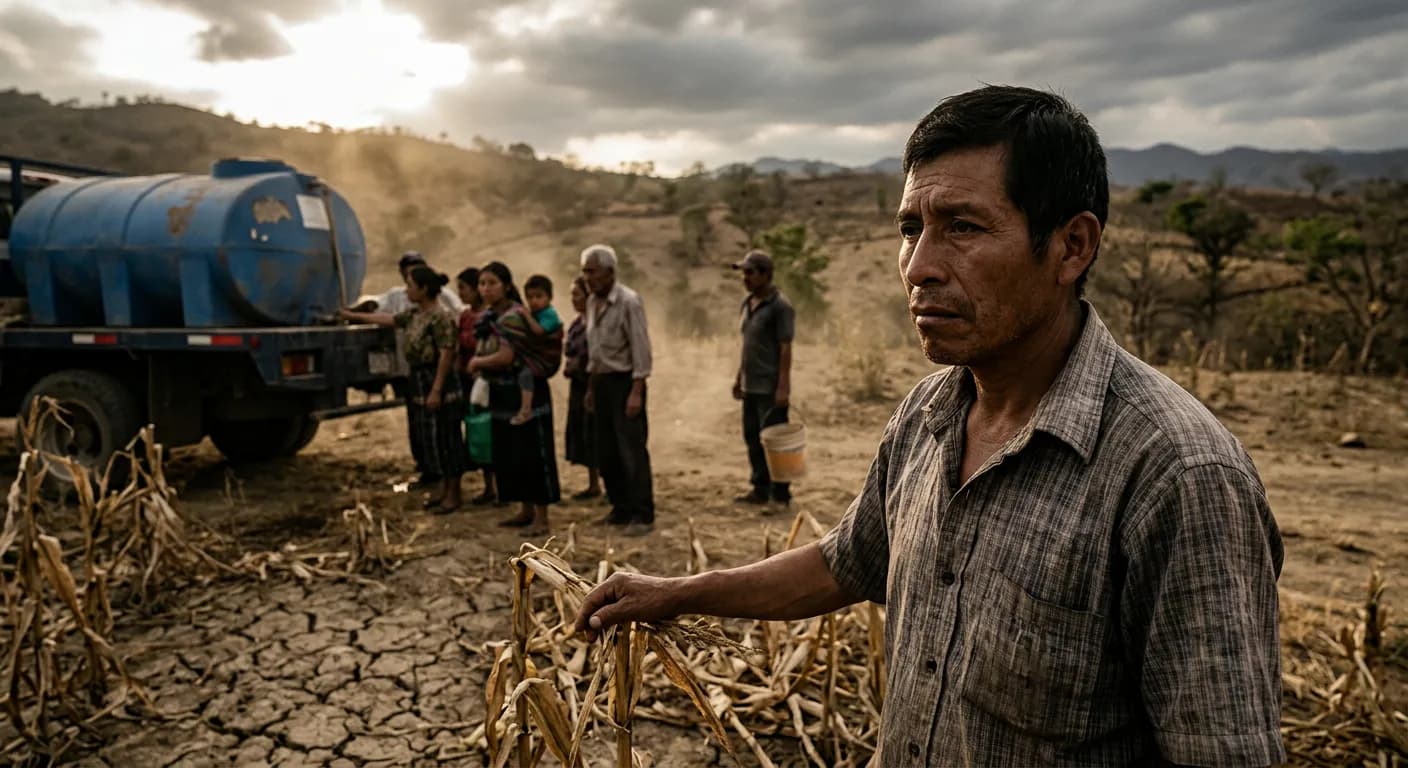
Guatemala: El Niño 2026–27 becomes regional security test
UNICEF: 25.8M children face El Niño risks in Latin America; Guatemala maps 188 municipalities for drought and food insecurity amid regional security test.