Trump and Israel's Tension Over Iran War
Netanyahu seeks renewed strikes amid US control over escalation
Model Diplomat3 min readMiddle East
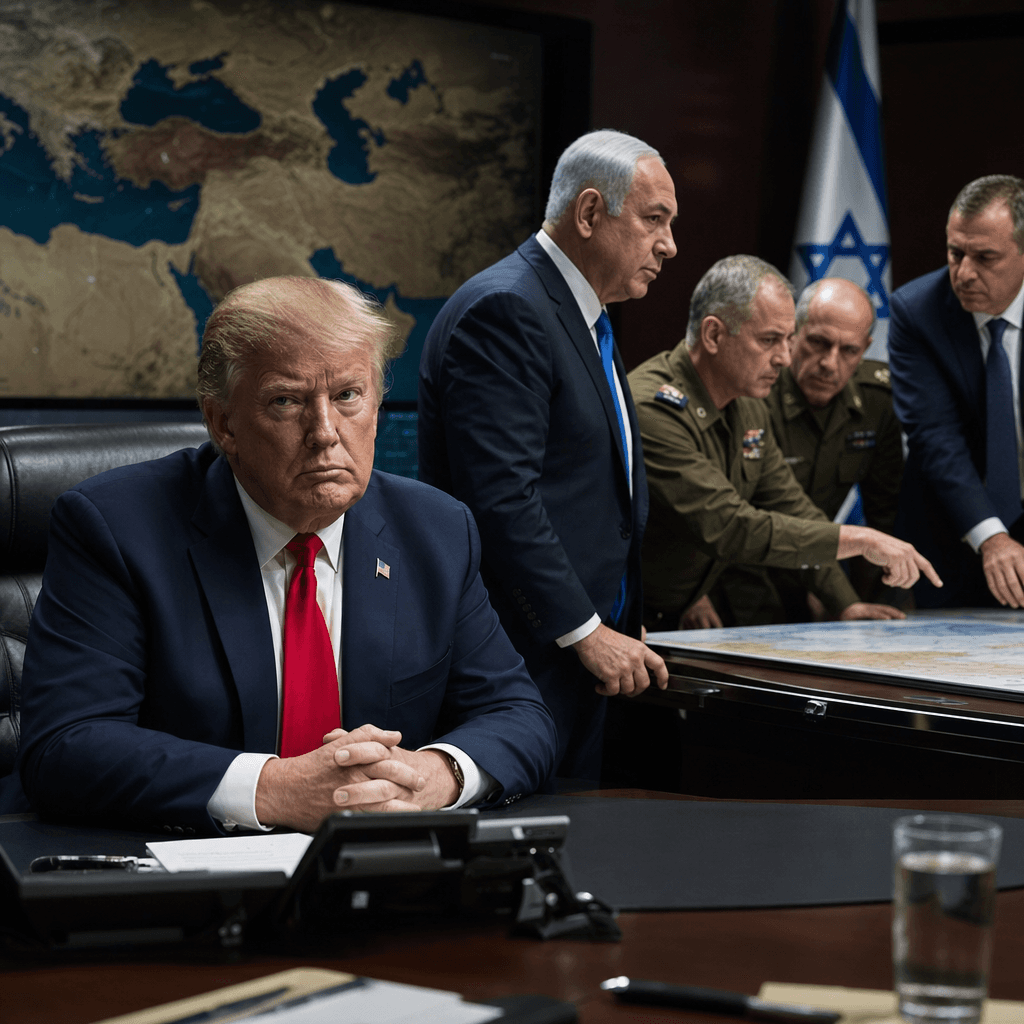
Trump Sets the Pace as Israel Pushes to Restart Iran War
Netanyahu wants renewed strikes, but Washington still controls escalation, Congress is pushing back, and Hormuz diplomacy is narrowing Israel’s room to maneuver.
Israel is lobbying to restart the war on Iran, but the decisive leverage sits in Washington. Al Jazeera reports that Israeli officials are openly discussing renewed attacks, including a second security cabinet meeting this week, yet say any move still needs US approval; the same report says Prime Minister Benjamin Netanyahu’s overnight call with Donald Trump left him boxed in by Washington’s ceasefire push (Al Jazeera). Trump, for his part, is moving in the opposite direction: the White House has paused an effort to escort ships through the Strait of Hormuz while trying to convert the ceasefire into a broader deal with Tehran (
NPR/AP).
Washington holds the veto
This is no longer just an Israeli operational question; it is a US political one. Al Jazeera reports that Senate Democrats and a handful of Republicans have advanced a War Powers resolution to curb Trump’s authority to continue military action against Iran, a sign that the administration’s legal and political cover is thinning (Al Jazeera). The broader context matters: Trump’s team argues the ceasefire pauses the 60-day War Powers clock, but lawmakers and legal experts dispute that reading (
Al Jazeera).
That means Netanyahu cannot simply choose escalation and expect US support to follow. Israel may have battlefield incentives to keep pressure on Tehran, but the US now has the stronger hand: it controls the air, the logistics, and the diplomatic off-ramp. Even Trump’s own messaging underscores that dependency. He has threatened renewed bombing if Tehran does not accept terms, but he is also signaling that he wants a negotiated end, not an open-ended regional war (BBC).
Netanyahu’s problem is political, not strategic
Netanyahu also has a domestic reason to keep the Iran issue hot. Al Jazeera says the April 8 ceasefire, agreed with little Israeli involvement, has become politically costly; opposition figures Yair Lapid and Naftali Bennett are using it to attack him, and a majority of Israelis in an early-May poll thought ending the war too soon damaged security interests (Al Jazeera). That creates a clear incentive for Netanyahu to keep the confrontation alive in public, even if he cannot yet restart it on his own.
But the military and economic costs are now feeding back into politics. AP reported that Iran’s closure of the Strait of Hormuz has rattled markets and that the US is trying to manage shipping without fully reopening the conflict (NPR/AP). BBC reported that one US-backed draft framework circulating through Pakistani mediation would link an Iranian enrichment freeze to sanctions relief and freer transit through the strait (
BBC). That gives Tehran an exit ramp — and gives Trump a reason to resist Israeli pressure for another round of strikes.
What to watch next
The key decision point is whether Trump chooses to press a ceasefire deal or give Israel room to escalate. Netanyahu’s cabinet can debate war plans, and Israeli media can leak targets, but the practical limit is still US consent (Al Jazeera). Watch three things: the next Trump-Netanyahu call, the Senate’s next War Powers vote, and any movement on the Hormuz talks through Pakistan. If those three do not align, Israel’s war talk will stay mostly rhetorical.
Discover more
Global Politics
Trump's Conflicting Messages on Iran War
Trump's mixed messages on Iran reflect a strategy of audience management, benefiting Tehran amid a complex geopolitical landscape.

Conflict & Security
Drone Warfare Killing Aid Workers at Unprec
Over 1,000 humanitarian workers killed in three years as cheap armed drones collapse legal protections. Gaza, Sudan, Ukraine, and DRC see deliberate targeting of aid convoys and hospitals with zero prosecutions.

Global
World Normalises Taliban as Afghan Women Eras
UN data shows Afghan women erased from public life as Russia recognises the Taliban, EU hosts officials in Brussels, and ICC warrants for gender persecution go unenforced.
Conflict & Security
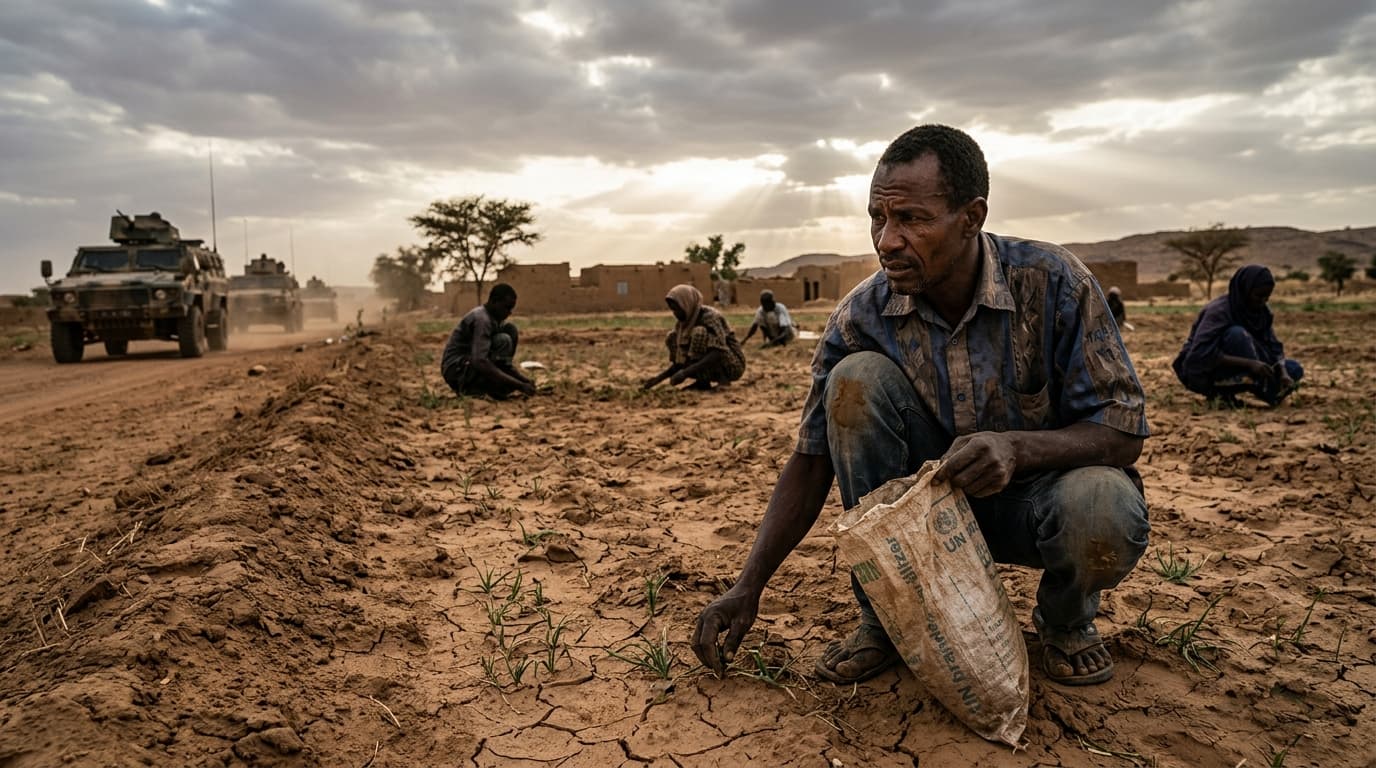
West Africa Food Crisis: Three Shocks in 2026
Conflict, climate extremes, and the Strait of Hormuz closure drive a severe food crisis in West and Central Africa, with fertilizer prices surging 80% and millions displaced.