Bolivia Protests Test President Paz's Power
Protests escalate as unions and Indigenous groups demand change.
Model Diplomat3 min readSouth America
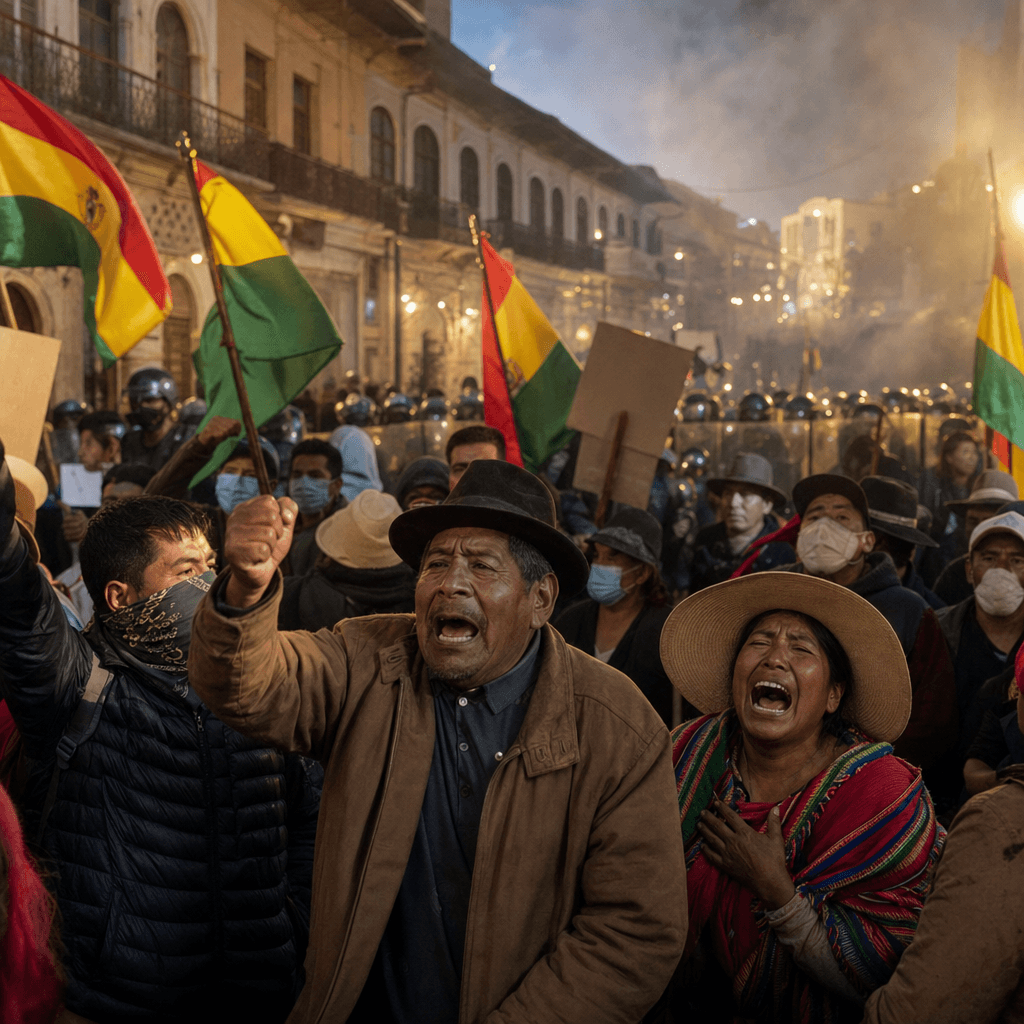
Bolivia’s protests are turning into a test of who can rule
President Rodrigo Paz has lost the initiative to a loose but potent coalition of unions and Indigenous groups, and every concession now reads as weakness.
Rodrigo Paz is trying to stop Bolivia’s street revolt by reshuffling his cabinet and opening a new economic and social council, but the move comes after weeks of blockades, clashes and open demands that he resign, according to Al Jazeera and
EL PAÍS English. The power dynamic is now clear: the protesters control the streets, while Paz controls only a fragile state apparatus, and neither side wants to be seen backing down first.
Why the pressure is spreading
This did not start as a regime-change movement. It began, as Al Jazeera reports, with sectoral grievances: wage demands, anger over contaminated fuel that damaged vehicles, and opposition to a land law critics said favored agribusiness. The government conceded on some points — repealing the land law and offering compensation — but that did not end the unrest. By May 6, Indigenous groups were blocking roads around La Paz, and the demand had shifted from policy reversals to the president’s resignation.
France 24 and
DW both describe the same pattern: a coalition that started fragmented, then hardened as economic pain deepened.
That matters because Bolivia’s leverage is not coming from a single opposition leader. The protest front now includes the Central Obrera Boliviana, peasant unions, miners, teachers and Indigenous groups, which makes it broader — and harder to buy off — than a standard labor dispute. But it also makes it unstable. France 24 notes there is no single leader commanding the whole movement, while
DW says that gives different actors room to pursue different goals. In practice, that means Paz is fighting both a social revolt and a bargaining problem.
Paz is boxed in by his own coalition choices
Paz entered office promising to reset Bolivia’s politics after two decades of leftist dominance, but he has governed as a pro-business centrist and, in doing so, alienated the voters who expected inclusion. Al Jazeera says he has appointed business elites, cut a wealth tax, approved agribusiness-friendly measures and aligned himself with the United States and Israel. That has handed opponents a simple message: he governs for elites, not for the Indigenous and working-class base that helped elect him.
The economic backdrop is what turns grievance into paralysis. DW says Bolivia is short of foreign currency, burdened by a high debt ratio and still struggling with inflation after fuel subsidy cuts.
EL PAÍS English reports blockades at 60 points on the national network, disrupting fuel, food, medicine and medical oxygen. That is why this crisis is now about state capacity, not just popularity: when roads close, La Paz feels the shortage immediately, and the government’s room to wait it out disappears.
What to watch next
The key date is this weekend, when Paz said the new council would begin to take shape, and whether the cabinet reshuffle produces any real opening to labor and Indigenous leaders. EL PAÍS English says Paz is refusing to negotiate with those demanding his resignation, which narrows the path to a deal. If the blockades hold through the weekend, the pressure will shift from protest to attrition — and the biggest beneficiary will be Evo Morales, whose shadow still gives the unrest a political center.
For a broader regional read, see Global Politics and
Bolivia.
Discover more
India
Romanian Coalition Party Demands PM Resign
Romania's Social Democrats withdrew from coalition, joining far-right AUR to topple PM Bolojan, risking €10 billion in EU funds by August 2026.

International Relations
Pakistan's Key Role in US-Israel-Iran Meddle
Pakistan is seeking to mediate the US-Israel-Iran conflict, balancing high-stakes diplomacy against severe economic pressures and steep regional challenges.

Conflict & Security
Drone Warfare Killing Aid Workers at Unprec
Over 1,000 humanitarian workers killed in three years as cheap armed drones collapse legal protections. Gaza, Sudan, Ukraine, and DRC see deliberate targeting of aid convoys and hospitals with zero prosecutions.

Global
World Normalises Taliban as Afghan Women Eras
UN data shows Afghan women erased from public life as Russia recognises the Taliban, EU hosts officials in Brussels, and ICC warrants for gender persecution go unenforced.