BJP's Lok Sabha Defeat
Exploring the BJP's miscalculations in recent elections
Model Diplomat3 min readIndia
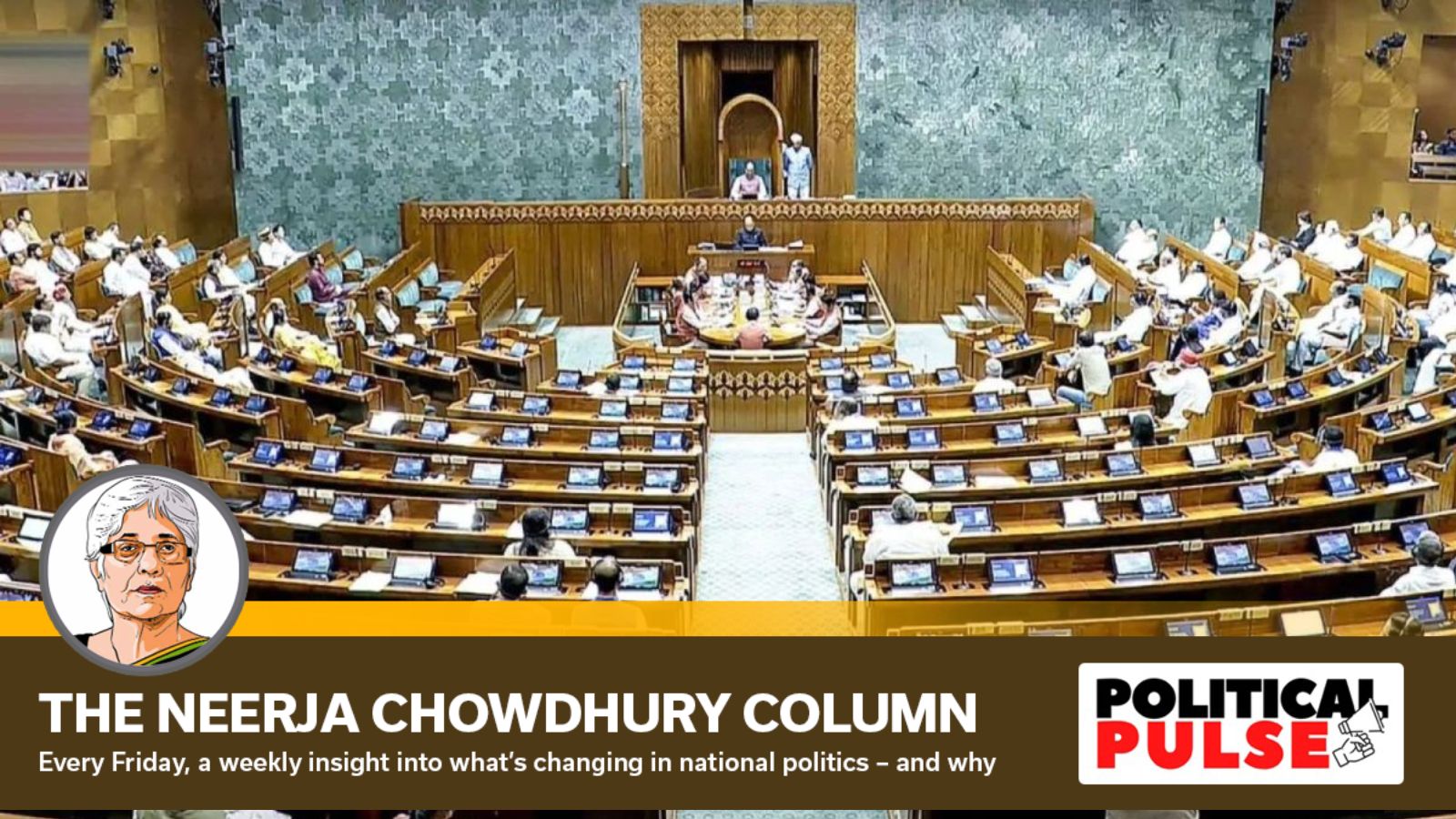
BJP govt’s Lok Sabha defeat leaves one question unanswered: Why the haste?
The BJP’s unexpected Lok Sabha defeat in April 2026 exposes a critical miscalculation in political timing and coalition-building amid deep mutual distrust with the opposition.
The BJP government suffered a notable defeat in the recent Lok Sabha elections, raising urgent questions about why the ruling party moved with such haste into this electoral confrontation. The BJP, which had counted on its dominant national presence and Prime Minister Modi’s enduring appeal, underestimated the complex negotiation dynamics with opposition forces, which capitalized on deep political distrust to form effective alliances and voter coalitions.
Why It Matters: Political Haste and Failed Negotiations
The BJP’s loss marks a disruption in India’s electoral landscape shaped by both long-term social coalitions and acute political missteps. At the heart of this defeat is the BJP’s failure to engage in credible negotiations with opposition parties that had been gearing up for a coordinated response. Analysts point to a strategic misread: the BJP appeared to prioritize a rapid election call and aggressive campaigning over patient coalition-building.
Underlying this dynamic is the entrenched distrust between the BJP and the opposition, which has hardened in recent years amid polarizing national narratives and contentious policy battles. This distrust fueled both sides’ unwillingness to negotiate post-election seat adjustments or pre-poll alliances, ultimately fragmenting what could have been a broader BJP-friendly consensus or a more orderly multiparty contest.
The opposition alliance, often dubbed the INDIA coalition, strategically leveraged this mistrust to unify socially diverse voter groups disenchanted with BJP’s governance record and perceived overreach. For example, while BJP retained strong support among upper castes and parts of OBC communities in states like Uttar Pradesh in 2024, it lost critical ground among Dalits, Muslims, and non-Yadav OBC voters who swung decisively towards a united opposition front (The Hindu CSDS-Lokniti survey, 2024).
Moreover, the BJP’s attempt to consolidate Hindu votes through personality-driven politics and development narratives faced limits. In states like Odisha, regional parties and revered personalities exploited BJP’s missteps, reminding the electorate of the risks in alienating proud subnational identities—even as national leaders like Modi sought to honor regional icons (Frontline, April 2026). This underscores that BJP’s national ambition is checked by enduring regional political cultures.
What to Watch Next: BJP’s Strategic Recalibration and Opposition Unity
The key risk for BJP now is whether it can rebuild trust(s) and reset election timing and negotiation strategies for future polls. With a fractioned opposition consolidating in complex but effective coalitions, BJP risks longer-term erosion unless it adjusts to more sophisticated alliance politics rather than relying solely on electoral muscle and personality cults.
Next, watch if the BJP slows its electoral clock, opting for more consensus-building beyond mere campaign rhetoric. It will also be critical to monitor shifts in BJP’s social engineering strategy, especially attempts to regain the trust of backward and minority groups lost over recent elections.
Finally, the parliamentary opposition needs scrutiny: will the INDIA coalition sustain functional governance cooperation, or will internal factionalism emerge once the urgency of electoral unity fades? The answer will shape India’s governance landscape far beyond the April 2026 election cycle.
This defeat tells a clear story: the BJP’s political haste without strategic negotiation amid deep distrust cost it dearly — and the future of Indian politics will pivot on its ability to navigate those relational complexities.
For more on Indian political trends and elections, see India country profile and
Global Politics.
Sources:
Discover more
India
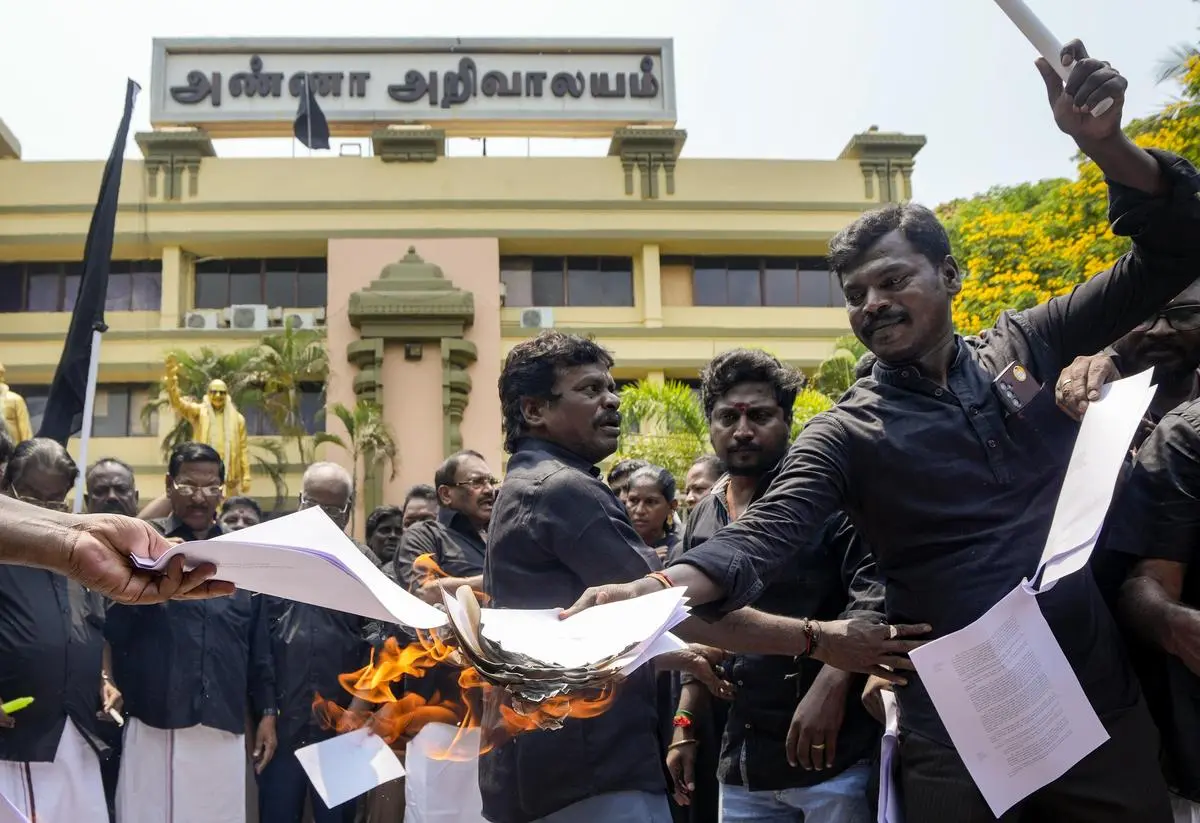
Women’s Reservation Bill 2026
The Constitution (131st Amendment) Bill, 2026 was defeated in Lok Sabha, revealing deeper political conflicts over women's reservation and delimitation.
India
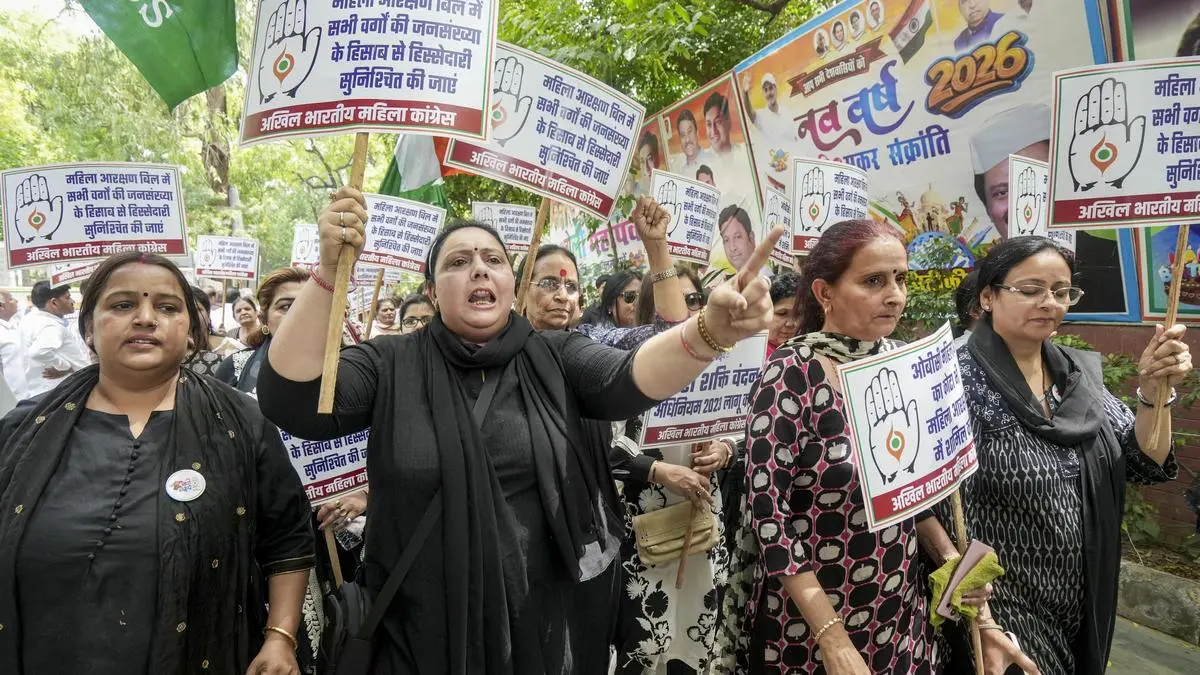
BJP's Misunderstanding of Women's Quota Needs
The BJP's linking of the Women Reservation Bill to delimitation risks delaying women's empowerment in India, misreading the aspirations of female voters.

Conflict & Security
Drone Warfare Killing Aid Workers at Unprec
Over 1,000 humanitarian workers killed in three years as cheap armed drones collapse legal protections. Gaza, Sudan, Ukraine, and DRC see deliberate targeting of aid convoys and hospitals with zero prosecutions.

Global
World Normalises Taliban as Afghan Women Eras
UN data shows Afghan women erased from public life as Russia recognises the Taliban, EU hosts officials in Brussels, and ICC warrants for gender persecution go unenforced.