BJP Elevates Jhalmuri as Power Symbol in West
BJP uses jhalmuri to assert dominance in West Bengal politics
Model Diplomat3 min readAsia
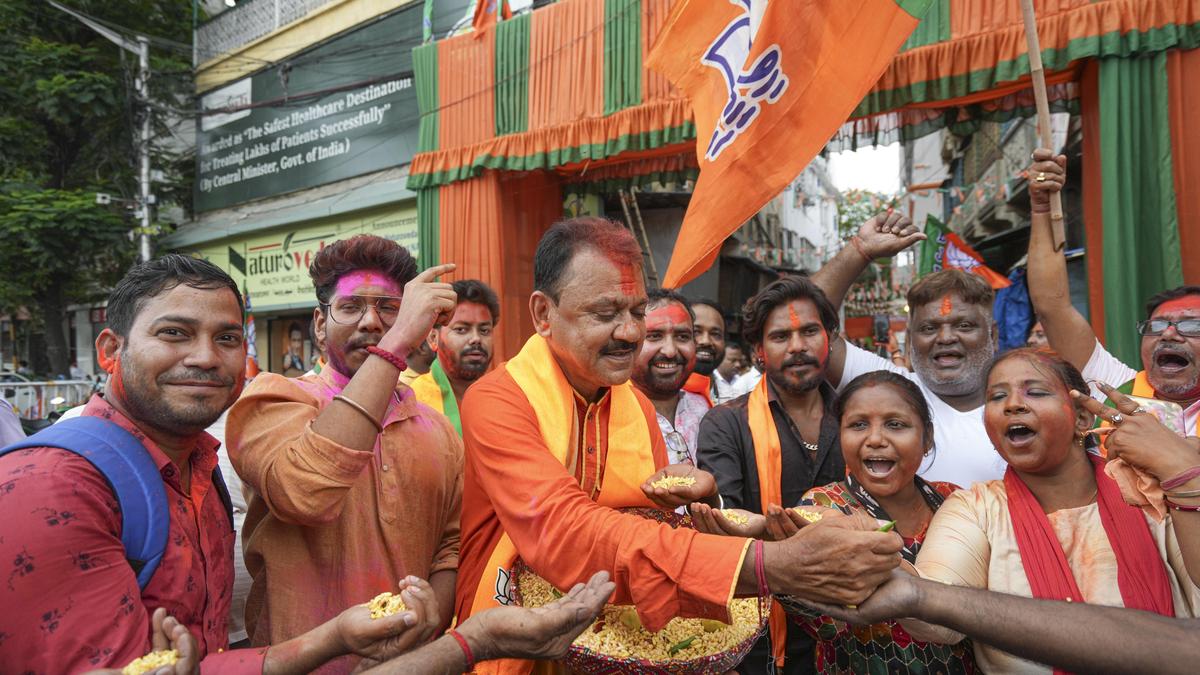
BJP turns jhalmuri into a signal of power in Bengal
The BJP is using a Bengali snack to convert an election win into local legitimacy, while Mamata Banerjee’s “all drama” jibe is being buried under victory optics.
The politics in West Bengal has moved from counting votes to staging control. At the BJP’s first oath ceremony after its sweep in the state, party workers set up 20 jhalmuri stalls at the Brigade Parade Ground in Kolkata and turned a campaign prop into a victory symbol, The Hindu reported in “'Jhalmuri' turns victory flavour at BJP government's maiden oath ceremony in West Bengal”. That matters because the BJP is not just celebrating; it is signaling that it can now define Bengal’s political culture on its own terms.
From campaign stunt to governing image
The snack’s political value was created weeks earlier, when Prime Minister Narendra Modi stopped in Jhargram on April 19 and bought jhalmuri from a roadside stall, a move that was instantly folded into the campaign narrative. The Hindu said the stop turned the snack into part of the TMC-BJP crossfire, with Mamata Banerjee dismissing it as “all drama” and Modi replying that the rival party was feeling the chill of the chillies. That exchange was not about food. It was about who gets to speak for Bengal: the ruling party’s regional identity or the BJP’s attempt to nationalize it and then localize it back again.
The victory optics are reinforced by the scale of the BJP’s win. In “Trinamool ousted as BJP sweeps West Bengal”, The Hindu reported that the BJP won 206 seats and the Trinamool Congress 80, ending 15 years of TMC rule. That result gives the BJP more than office: it gives the party the ability to turn cultural symbols into official state imagery. The oath ceremony’s snack counters are a small but telling example of that transition.
Who benefits, and who loses
The immediate beneficiary is the BJP, which is trying to present itself as both victorious and rooted in Bengali life. The snack helps soften the party’s outsider image and gives supporters a simple, repeatable marker of triumph. Lokmat Times quoted the Jhargram shopkeeper who served Modi, saying jhalmuri had gained recognition across India after the visit: “Jhalmuri gained recognition across India, says shopkeeper who served snack to PM Modi”. That is the second-order effect here: even a roadside seller can benefit when national politics elevates a local product.
The loser is the TMC, which now has to watch a joke about campaign theater become part of the BJP’s victory ritual. The BJP is using a snack once framed as a gimmick to show it can outmaneuver the TMC in the symbolism war. That is not trivial in a state where politics is intensely performative and identity-laden, as India watchers know well.
The bigger shift in Bengal
This symbolism sits on top of an institutional reset. In The Hindu’s report on the assembly’s dissolution, the governor dissolved the West Bengal Legislative Assembly on May 7, clearing the way for the BJP’s first government in the state and for Suvendu Adhikari to be seen as the front-runner for chief minister, per “West Bengal Governor dissolves State Legislative Assembly”. That means the BJP is now moving from opposition mobilization to governance projection.
The cultural angle also has a material edge. Firstpost’s analysis, “Jhalmuri chronicles”, and The Federal’s piece on changing street-food fortunes, “
Why Bengal's iconic jhalmuri and telebhaja may be seeing a change in fortunes in Kolkata”, both underline the same point: jhalmuri is not just a snack, it is a marker of everyday Bengal, now being pulled into state power.
What to watch next: the BJP’s cabinet announcement, the formal role of Amit Shah as observer, and whether the party continues to use Bengal-specific symbols to consolidate support—or shifts quickly from symbolism to delivery. The real test starts once the ceremonies end.
Discover more
India
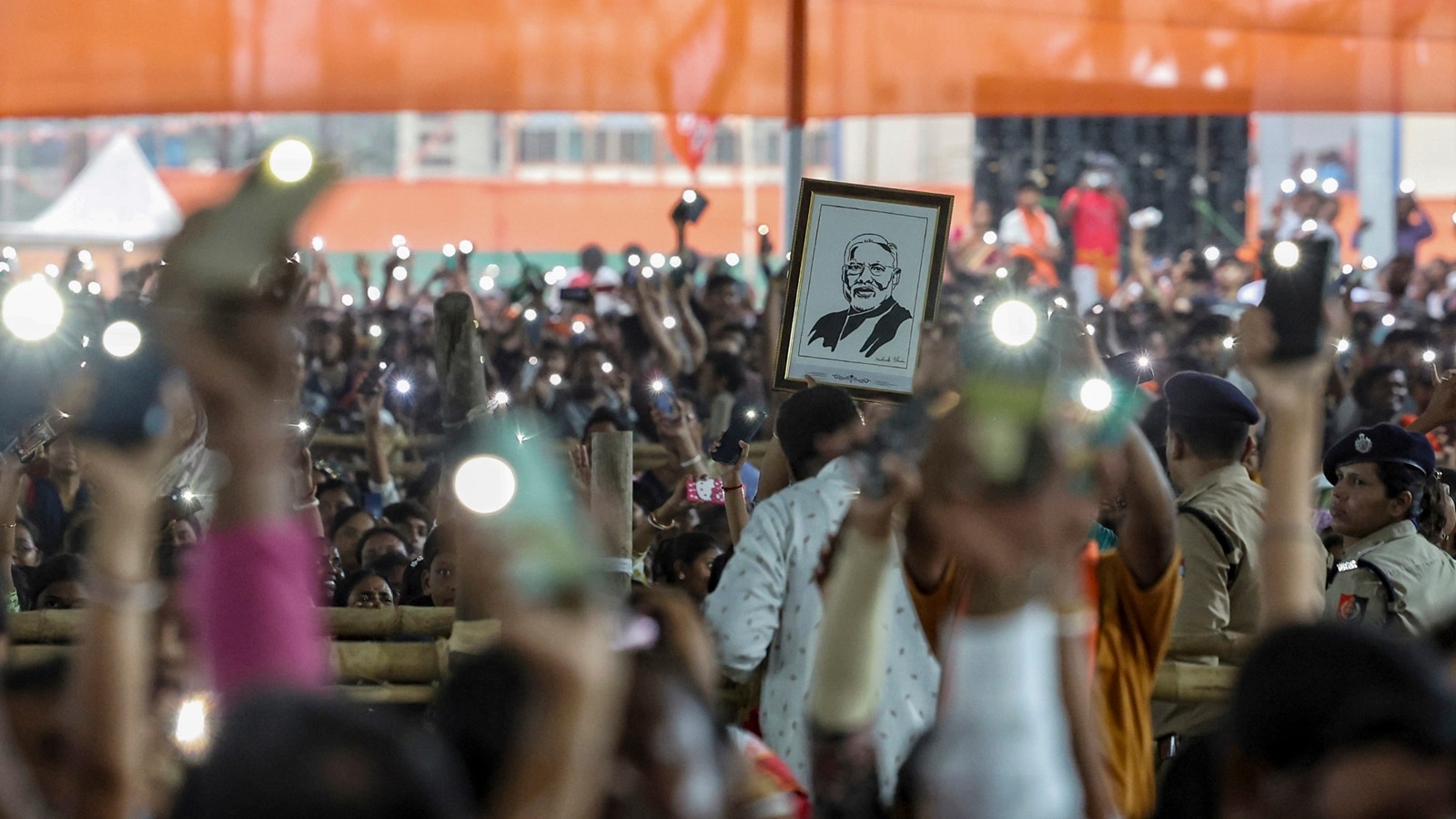
Modi's Women’s Convention in Varanasi
Modi's Varanasi rally frames women's reservation as a national mission, targeting the 2027 Uttar Pradesh elections with a strategic narrative.
India
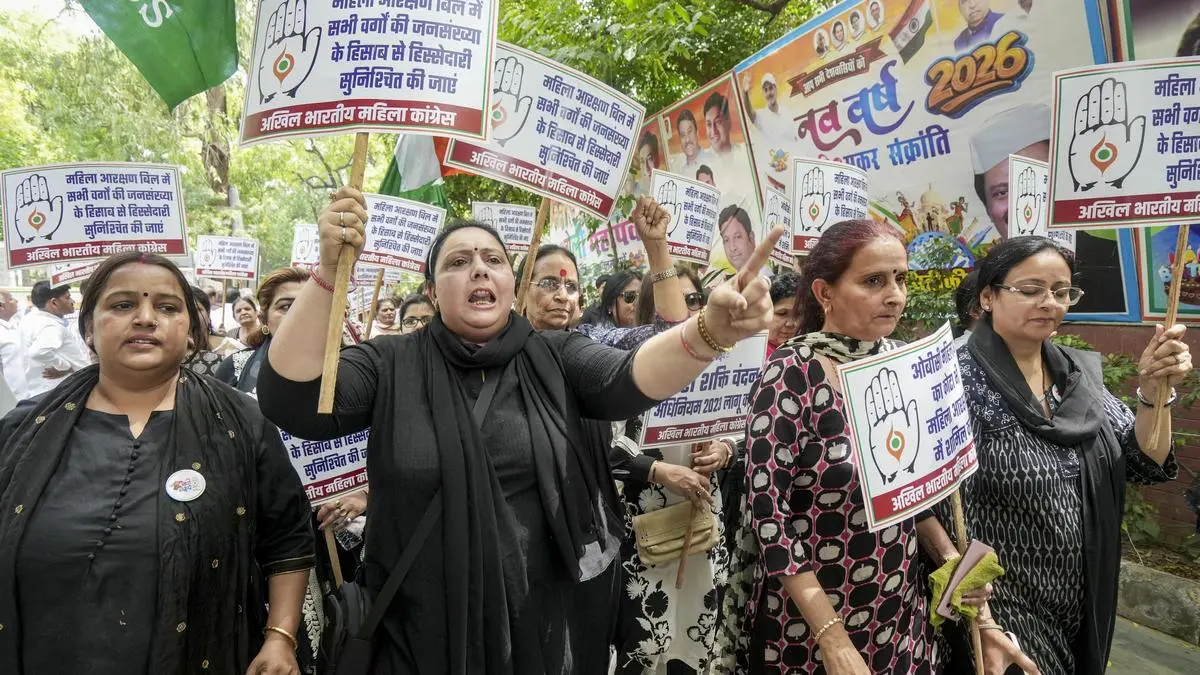
BJP's Misunderstanding of Women's Quota Needs
The BJP's linking of the Women Reservation Bill to delimitation risks delaying women's empowerment in India, misreading the aspirations of female voters.

Conflict & Security
Drone Warfare Killing Aid Workers at Unprec
Over 1,000 humanitarian workers killed in three years as cheap armed drones collapse legal protections. Gaza, Sudan, Ukraine, and DRC see deliberate targeting of aid convoys and hospitals with zero prosecutions.

Global
World Normalises Taliban as Afghan Women Eras
UN data shows Afghan women erased from public life as Russia recognises the Taliban, EU hosts officials in Brussels, and ICC warrants for gender persecution go unenforced.