Bengaluru Roads Shut for Modi Visit
Traffic disruptions highlight political priorities in Bengaluru.
Model Diplomat2 min readAsia

Bengaluru Roads Shut for Modi Visit — Power in Motion
Police closures on NICE Road, HAL Airport Road and Umbrella Junction show how a prime ministerial visit can reorder Bengaluru in hours.
Bengaluru’s traffic police have shut or restricted movement on NICE Road, Umbrella Junction and HAL Airport Road between 5 a.m. and 3 p.m. ahead of Prime Minister Narendra Modi’s visit, turning a routine commute into a security-managed corridor control exercise, according to LiveMint. The scale of the closure matters: this is not just about traffic flow, but about who gets priority on Bengaluru’s road network when the prime minister is in town.
The state is clearing the road for a political event
The immediate beneficiary is the Prime Minister’s itinerary, but the deeper beneficiary is the political machine around it. The News Minute reported that restrictions cover key arterial roads under HAL Traffic Police limits, with parking bans and diversions designed to keep the convoy moving and prevent bottlenecks.
The Hindu added the political backdrop: Modi is in Bengaluru for the Art of Living’s 45th anniversary, and the BJP is preparing a reception at HAL Airport.
That combination tells you what this visit is really doing. It is not only a public appearance; it is a carefully staged display of access, order and partisan reach. When police cordon off major roads for a VVIP movement, the state is making a short-term trade: commuter inconvenience in exchange for frictionless movement for the country’s most powerful officeholder.
Who pays the cost
The losers are the ordinary users of Bengaluru’s already fragile road system: office commuters, airport-bound travelers, local businesses and anyone trying to move through the city’s southeast corridor. TNM reported the closures include not just the HAL stretches but also a NICE Road ban during part of the day, which will push traffic onto alternate routes already prone to congestion. In a city where even normal traffic is notoriously slow, those diversions are likely to ripple far beyond the immediate security perimeter.
This is where India becomes a useful lens: urban infrastructure in the country’s tech capital is increasingly treated as a political asset, not just a public utility. The state can still override the city at will, but every such override exposes how little slack the system has. A few hours of closures around one VIP visit can expose the fragility of an entire metropolitan transport network.
What to watch next
The key question is whether the disruption stays contained to Sunday’s security window or becomes part of a broader pattern around high-profile events in Bengaluru. Watch the police’s ground-level enforcement around HAL, the duration of the NICE Road restrictions, and whether the city’s traffic department gives any post-visit account of compliance and congestion. If this visit is any guide, Bengaluru’s road space remains a political instrument — and the next move belongs to whoever can command it.
Discover more
India
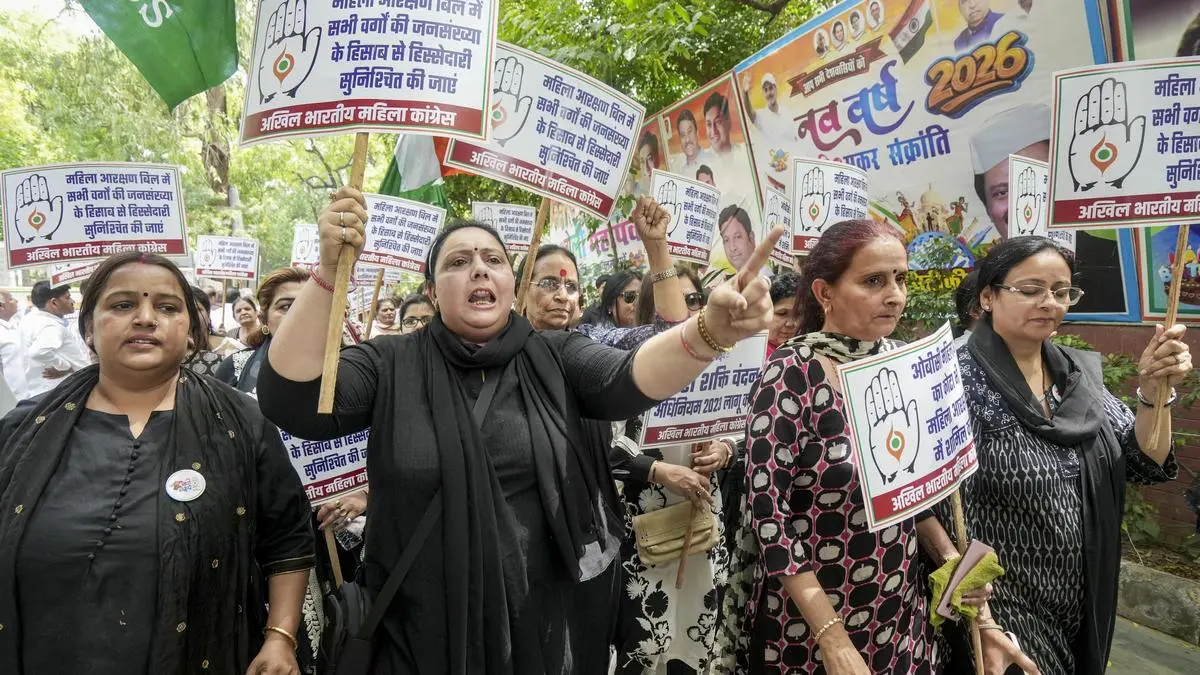
BJP's Misunderstanding of Women's Quota Needs
The BJP's linking of the Women Reservation Bill to delimitation risks delaying women's empowerment in India, misreading the aspirations of female voters.
India
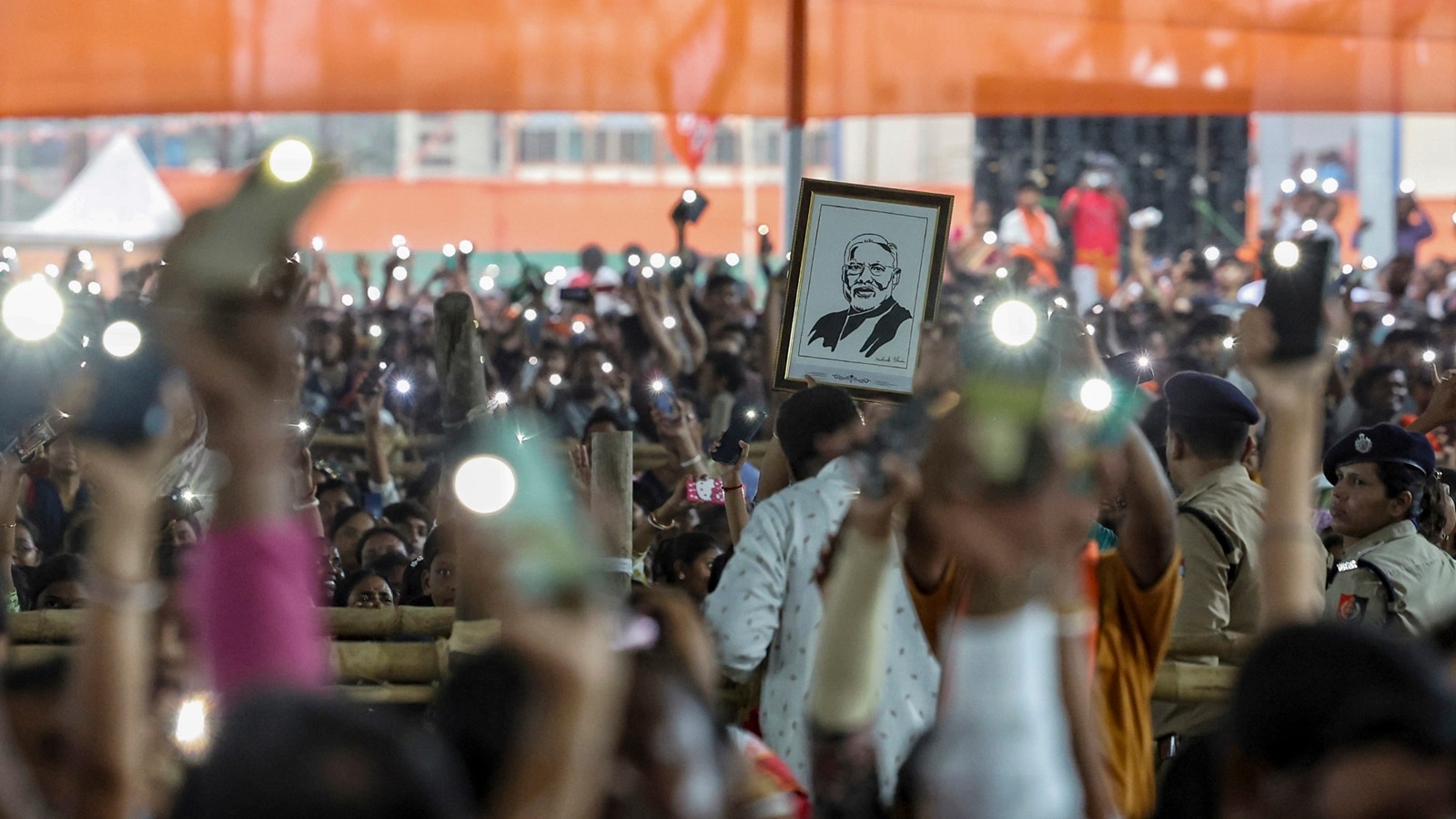
Modi's Women’s Convention in Varanasi
Modi's Varanasi rally frames women's reservation as a national mission, targeting the 2027 Uttar Pradesh elections with a strategic narrative.
India
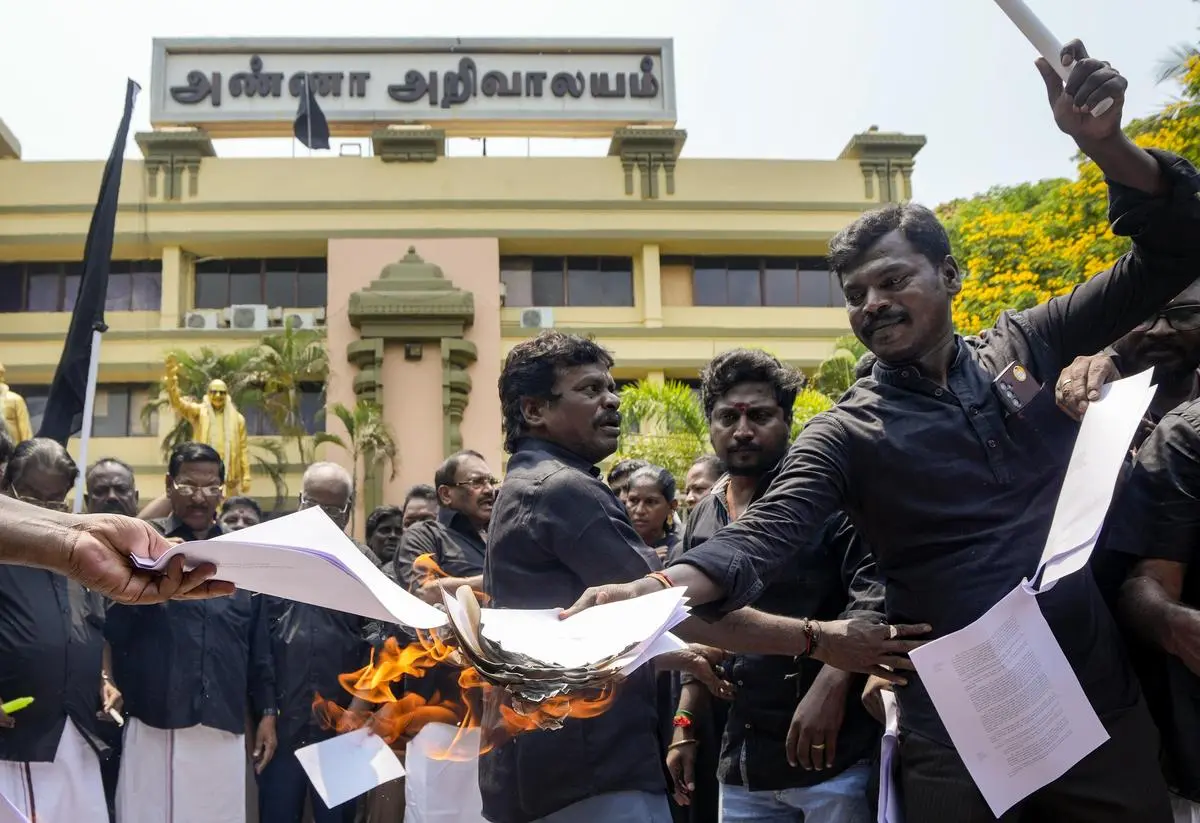
Women’s Reservation Bill 2026
The Constitution (131st Amendment) Bill, 2026 was defeated in Lok Sabha, revealing deeper political conflicts over women's reservation and delimitation.

Conflict & Security
Drone Warfare Killing Aid Workers at Unprec
Over 1,000 humanitarian workers killed in three years as cheap armed drones collapse legal protections. Gaza, Sudan, Ukraine, and DRC see deliberate targeting of aid convoys and hospitals with zero prosecutions.