Australia’s IS Return Is a Security Problem, Not an Optics One
Canberra cannot block most citizens from coming home, so it is using arrests, monitoring and tough rhetoric to contain the political fallout.
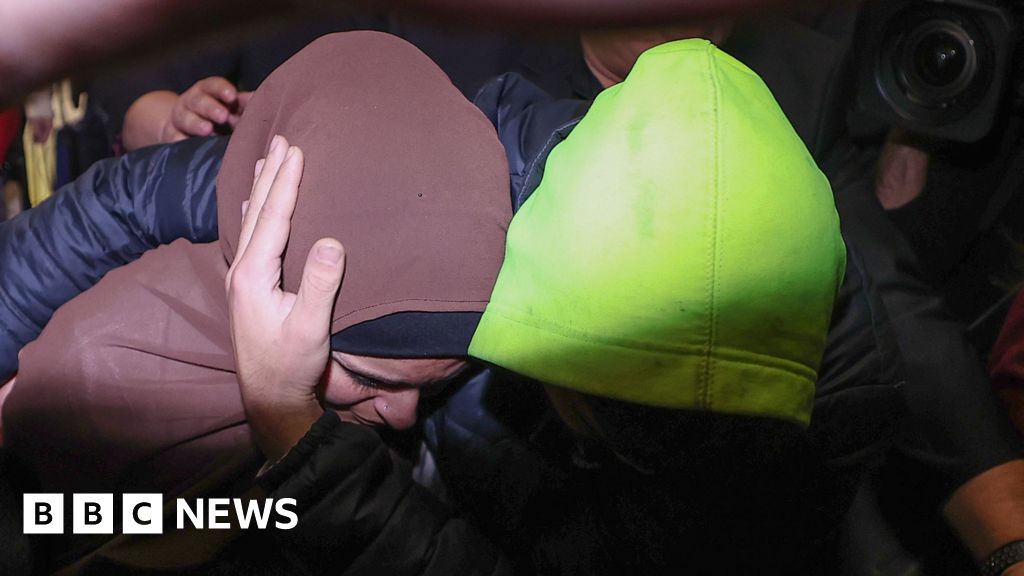
Australia’s real leverage is not at the border; it is in what happens after the plane lands. Three women with alleged links to Islamic State were arrested on arrival this week, while a fourth woman and nine children were processed separately, after the government said it would provide no help to bring them back but had “very serious limits” on stopping them ( BBC,
BBC,  NPR).
NPR).
Canberra can punish, but it cannot keep citizens out
That is why Tony Burke’s line — no assistance, no apology — matters more politically than operationally. Australia has already used its Temporary Exclusion Order powers once against a single woman, but the legal threshold is high and does not cover most of this cohort (NPR,  ABC News). The state can investigate, charge and monitor; it cannot simply outsource the problem to Syrian camps.
The timing makes the politics sharper. Australia is still absorbing the fallout from the Bondi Beach attack in December, which killed 15 people and was allegedly inspired by IS, so any movement on these families now looks to the public like softness on extremism (BBC). That gives the opposition an easy line of attack and forces Labor to show toughness even as the law limits what it can do.
The security case points the other way
Security agencies have a different incentive structure: they prefer known suspects inside the system, not stranded in Syria’s camps. The children are expected to undergo psychological support, community integration and countering violent extremism programs, while police say the adults remain under investigation (NPR, ABC News). In other words, the government is choosing managed risk at home over unmanaged risk abroad.
That calculation will only get harder as the camp system degrades. BBC reports that 21 Australians still remain in Al-Roj — seven women and 14 children — and advocates say delay increases the odds of radicalisation, abuse and instability inside a site long described as a security and humanitarian time bomb (BBC). For Canberra, the choice is increasingly between repatriation on its terms or repatriation later, on worse terms.
What to watch next
The next decision point is whether police lay additional charges against the adults already back in Australia, and whether Burke quietly allows more returns from Al-Roj despite the public line that the government “will not help others” (NPR, BBC). For the wider frame, this is a  Global Politics story about state capacity under terror pressure, and a Conflict story about what happens when wartime detention sites outlast the war that created them.