Amit Shah's Gorkha Promise
BJP vows to resolve Gorkha issue if elected in 2026.
Model Diplomat3 min readWest Bengal
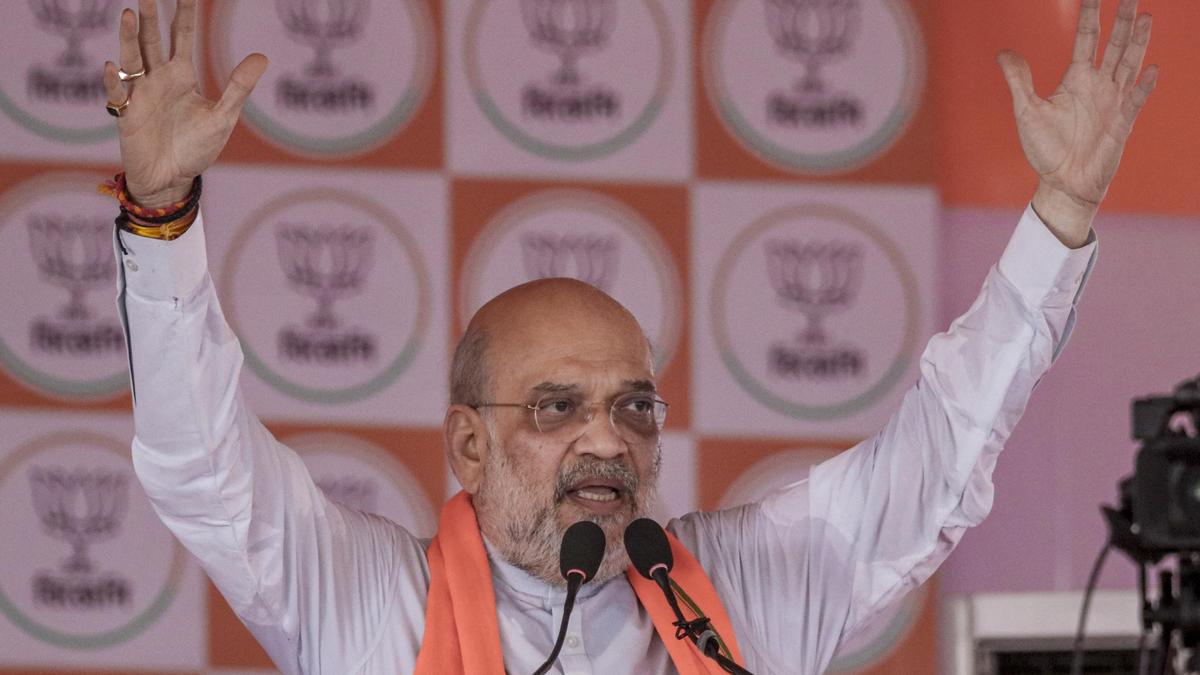
Amit Shah Promises to Resolve Gorkha Issue if BJP Wins West Bengal
The BJP pledges to prioritize Darjeeling’s Gorkha issue and withdraw cases against community leaders, signaling a potential shift in a decades-old regional conflict.
Union Home Minister Amit Shah has publicly committed that if the Bharatiya Janata Party (BJP) wins the 2026 West Bengal assembly elections, it will prioritize resolving the Gorkha issue in Darjeeling. Shah, speaking via a recorded video message, also promised the withdrawal of all cases against Gorkha leaders and workers linked to past violent agitations The Hindu.
Why the Gorkha Issue Matters
The Gorkha agitation in Darjeeling, a hill district in northern West Bengal, has been a longstanding flashpoint. The demand for a separate state, Gorkhaland, chiefly by the Gorkha ethnic Nepali community, has triggered multiple waves of protests—some turning violent—with clashes resulting in deaths, curfews, and prolonged instability. The last major agitation was in 2017, leading to significant political turmoil.
For decades, the Left, the Congress, and most recently, the Trinamool Congress (TMC), the current ruling party of West Bengal, have struggled to mediate a lasting solution. The BJP’s inroads into West Bengal after 2019 have made it a key contender, even as it seeks support from minority and ethnic groups who feel neglected or marginalized.
Shah’s promise to withdraw cases against Gorkha leaders and workers is significant. These cases span alleged violence and sedition charges during previous protests. Removing these legal hurdles would be an olive branch aimed at rebuilding trust with the community and its political representatives. It also addresses a practical barrier: many activists remain politically handicapped due to ongoing legal action against them.
What This Promises for West Bengal and Darjeeling
The BJP’s pledge indicates ambition to consolidate the Gorkha vote bank, which can be a swing factor in local assembly seats critical for government formation. It also signals a tactical shift from mere electoral promises to a potential administrative approach involving dialogue and reconciliation.
However, while a promise to resolve the Gorkha issue is headline-grabbing, the devil is in the details. "Resolution" can range from granting greater autonomy to outright statehood, a demand that has met resistance from West Bengal’s ruling party and the central government historically. Additionally, other ethnic communities and political actors in the region may oppose or complicate any unilateral moves by the BJP.
The announcement also places pressure on the TMC to respond. If they fail to address these demands convincingly, it could further erode their standing in the Darjeeling hills, traditionally considered a challenging terrain for them.
What to Watch Next
- Post-Election Follow-Through: The BJP’s credibility will hinge on converting this promise into a concrete policy after the polls, especially on whether it can meaningfully engage with the Gorkha leadership beyond legal concessions.
- TMC and Regional Reactions: Watch for how Mamata Banerjee’s TMC counters this move, either by proposing their own solutions or attempting to legally or politically block the BJP’s efforts.
- Inter-Ethnic Dynamics: The evolving alignments among the diverse ethnic groups in Darjeeling could redefine local political equations and impact peace prospects.
- Central-State Relations: The BJP-led center pushing for Gorkhaland or enhanced autonomy would test federalism aspects in India's complex state politics.
This development is a compelling case of how regional ethnic aspirations continue to shape Indian state elections with broader national implications for governance and federal balance. As West Bengal heads to polls, the BJP is staking its chances not just on broad narratives but on local identity issues that have long been flagged but unevenly addressed.
For a broader understanding of this region’s politics and ethnic movements in India, see our pages on India and
Global Politics.
Discover more
India
Amit Shah's Delimitation Boosts Southern MPs
Amit Shah said southern states will gain Lok Sabha seats under delimitation, boosting their representation while advancing women's reservation efforts in India.

India
Amit Shah: No Religion-Based Reservations
Amit Shah reiterated that India's reservations are rooted in caste, not religion, pushing back against opposition claims amid heated debate over the quotas.

India
India's Delimitation Plan
India's delimitation plan would expand the Lok Sabha to 850 seats and boost women's representation, but it stokes regional tensions and political concerns.

Conflict & Security
Drone Warfare Killing Aid Workers at Unprec
Over 1,000 humanitarian workers killed in three years as cheap armed drones collapse legal protections. Gaza, Sudan, Ukraine, and DRC see deliberate targeting of aid convoys and hospitals with zero prosecutions.