Akpabio vs Oshiomhole: 2027 Power Struggle
Senate clash reveals control dynamics ahead of 2027 elections.
Model Diplomat2 min readAfrica
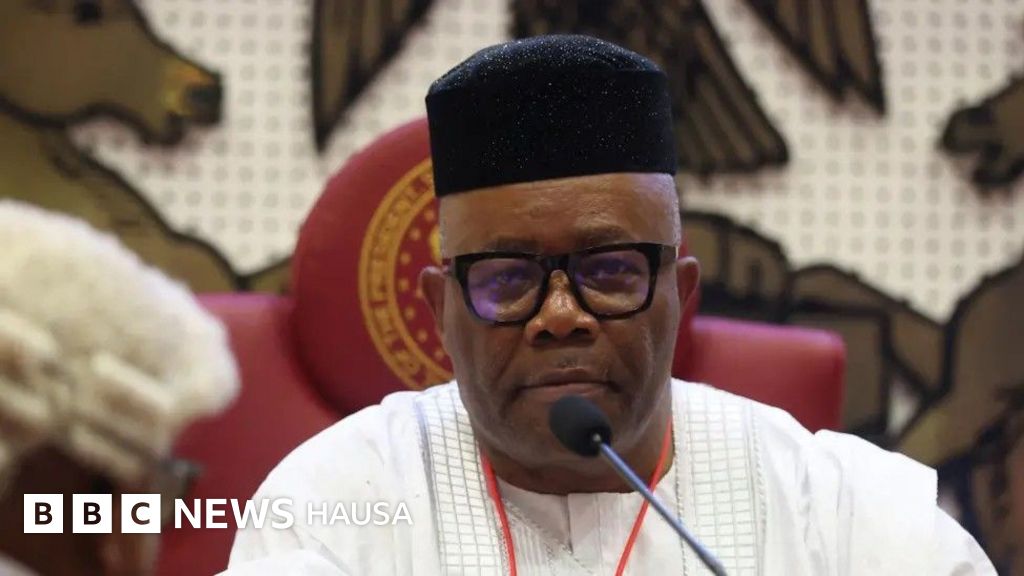
Akpabio’s Oshiomhole Warning Signals a 2027 Power Play
The Senate clash is less about decorum than control: who writes the rules before Nigeria’s 2027 succession fight.
Godswill Akpabio used the Senate floor to remind Adams Oshiomhole who controls procedure. During Wednesday’s session, the Senate president warned the Edo North senator that he could be removed from the chamber if he kept disrupting proceedings, after Oshiomhole objected to amended Senate rules on leadership eligibility, according to BBC News Hausa. The exchange reportedly ran for about 10 minutes, while
Legit.ng put it closer to 15.
Why this fight matters
This is a procedural fight with political stakes. The amendments reportedly tighten the path to Senate leadership by requiring would-be candidates to have served at least two consecutive terms, a rule that would exclude newer senators from top posts and advantage the chamber’s current establishment, according to BBC News Hausa and
Legit.ng. Oshiomhole’s protest was not just about speaking time; it was a challenge to a rulebook that appears designed to narrow the field before the 2027 cycle.
That is why Akpabio’s warning matters. He holds the procedural leverage: he presides over the chamber, sets the pace of debate, and can invoke Senate rules to silence dissent in real time, as the BBC account shows. Oshiomhole, by contrast, is using interruption and public confrontation to force a political argument over what looks like a technical change. For a wider lens on elite power struggles, this is the same logic that drives other institutional fights tracked in Global Politics and
Conflict: the battle is usually over rules, not rhetoric.
The beneficiaries are obvious. Long-serving senators and the current leadership bloc gain a steeper barrier to competition. The losers are first-term senators, governors and party heavyweights eyeing Senate leadership in 2027, and Oshiomhole himself if the amendment survives. Legit.ng reported that analysts already see the change as a maneuver that could block prospective aspirants from running for top chamber posts.
What to watch next
The next test is whether this stays a Senate spat or becomes a formal constitutional challenge. One academic quoted by BBC News Hausa argued the Senate cannot use internal rules to override the constitution, which gives opposition to the amendment a legal opening. If that argument gains traction, the fight moves from chamber discipline to judicial and party politics.
The real date to watch is 2027, but the immediate decision point is sooner: whether the Senate leadership formally enforces the amended rules in future proceedings and whether any senator moves to contest them before they harden into precedent. If Akpabio can make the new standard stick now, he shapes the field before nominations begin. If he cannot, the amendment becomes a warning shot rather than a filter.
Discover more
India
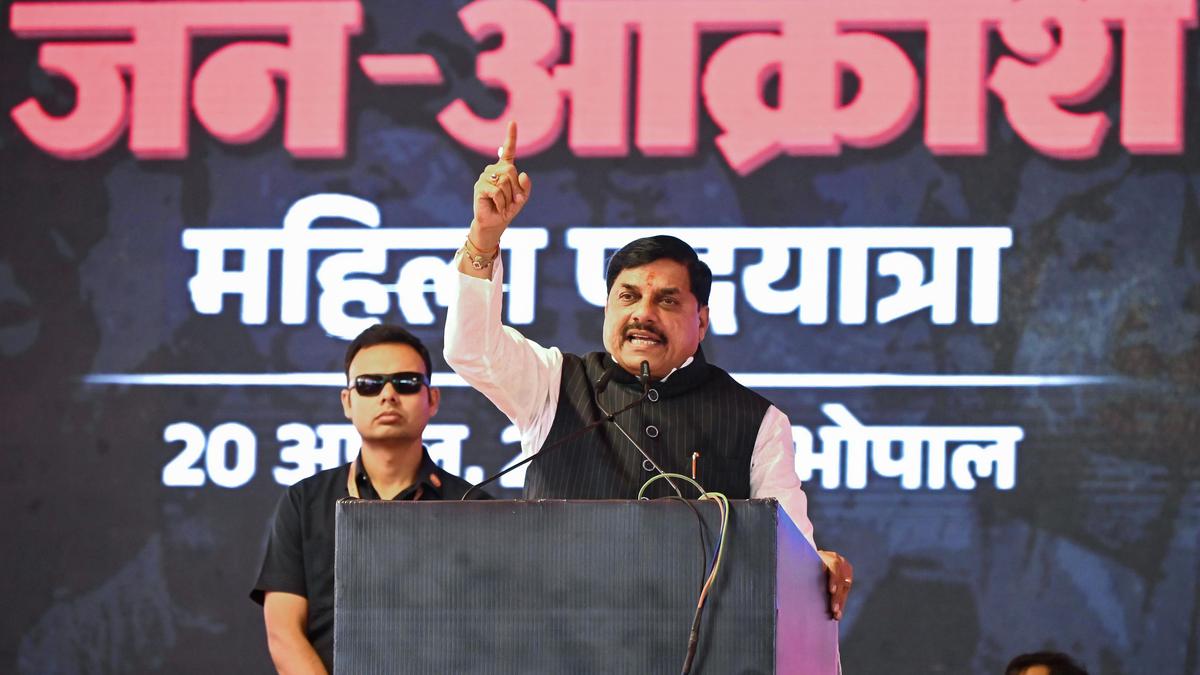
BJP Congress Clash Over MP Bill Defeat
The BJP's defeat of the women's quota amendment sparks a political narrative war with Congress, impacting future elections.
India
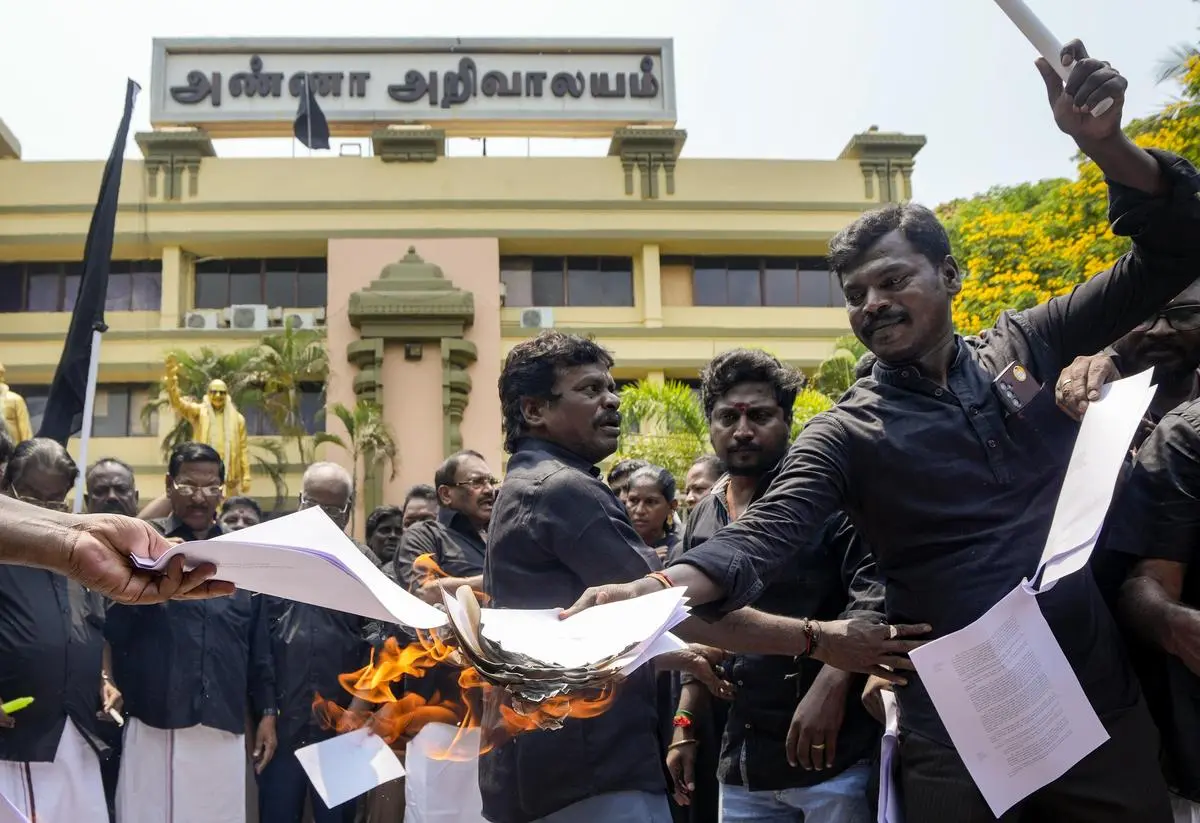
Women’s Reservation Bill 2026
The Constitution (131st Amendment) Bill, 2026 was defeated in Lok Sabha, revealing deeper political conflicts over women's reservation and delimitation.
India
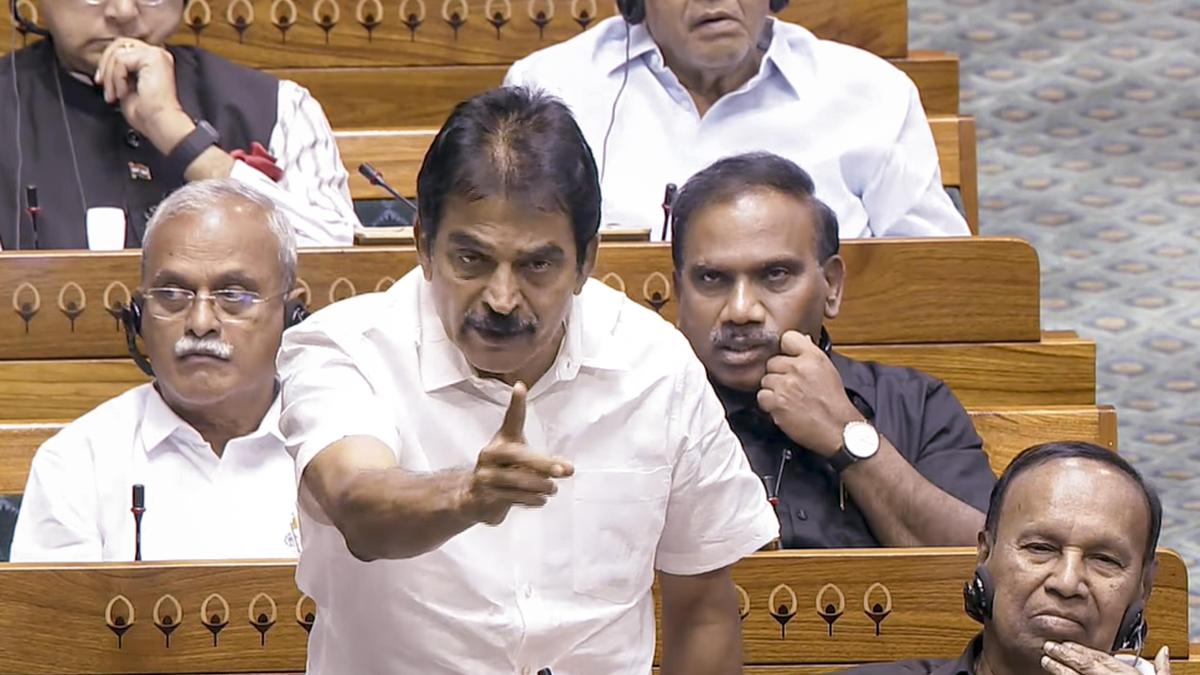
BJP's Delimitation Strategy
Congress leader K.C. Venugopal claims the BJP uses women's reservation to advance delimitation, raising fears over electoral fairness ahead of the 2029 polls.

Conflict & Security
Drone Warfare Killing Aid Workers at Unprec
Over 1,000 humanitarian workers killed in three years as cheap armed drones collapse legal protections. Gaza, Sudan, Ukraine, and DRC see deliberate targeting of aid convoys and hospitals with zero prosecutions.