Trump Pauses Hormuz Push to Force Iran Deal
Washington eases military pressure for negotiations with Iran.
Model Diplomat2 min readMiddle East

Trump Pauses Hormuz Push to Force Iran Deal
Washington is trading military pressure for negotiating room. The pause eases escalation, but it also preserves Iran’s leverage over a vital shipping chokepoint.
Trump is trying to turn coercion into a deal, not end the fight. After launching a U.S. effort to escort commercial ships through the Strait of Hormuz, he said he was pausing the operation to give talks with Tehran room to move, according to France 24 and
Reuters. That matters because the strait carries roughly a fifth of global oil and gas flows in normal times, and the U.S. had already put a naval blockade on Iranian ports to squeeze revenue and force concessions, Reuters reported on April 9 and AP on May 5.
Reuters
AP News
Why the pause matters
The immediate winner is Tehran’s bargaining position. Iran has used the Strait of Hormuz as its main source of leverage: when traffic fell to well below 10% of normal in April, global fuel prices jumped and hundreds of tankers were left stranded, Reuters reported. Reuters Trump’s pause signals that Washington is not willing to pay the full military and economic cost of keeping the waterway open by force.
But the U.S. still holds the harder power. AP said the American operation involved guided-missile destroyers, more than 100 aircraft and 15,000 service members, while the U.S. military also claimed it sank six small Iranian boats during the latest clash. AP News
AP News That means Trump is not backing away; he is testing whether the threat of renewed force is enough to get Iran to trade access through the strait for sanctions relief and an end to the blockade.
Who gains, who loses
The short-term losers are shipping firms, insurers, and Gulf states that need traffic restored without another round of missile and drone attacks. AP reported that the UAE came under attack again as the standoff intensified, a reminder that even a “paused” operation leaves the region exposed. AP News
The likely beneficiaries are the mediators — especially Pakistan, which has reportedly been shuttling proposals, and Oman, which sits on the strait’s other side. Iran’s reported proposal to reopen the waterway only if Washington lifts the blockade shows the shape of the deal: Tehran wants relief first, nuclear talks later. AP News
What to watch next
The next decision point is whether Washington keeps the blockade in place while the pause is in effect, and whether Iran stops treating the strait as active leverage. If ship traffic does not recover and talks stall, Trump will have to choose between extending the pause or restoring pressure. Watch for the next U.S. maritime advisory and any follow-up from the United States and
Global Politics desks this week.
Discover more
Conflict & Security
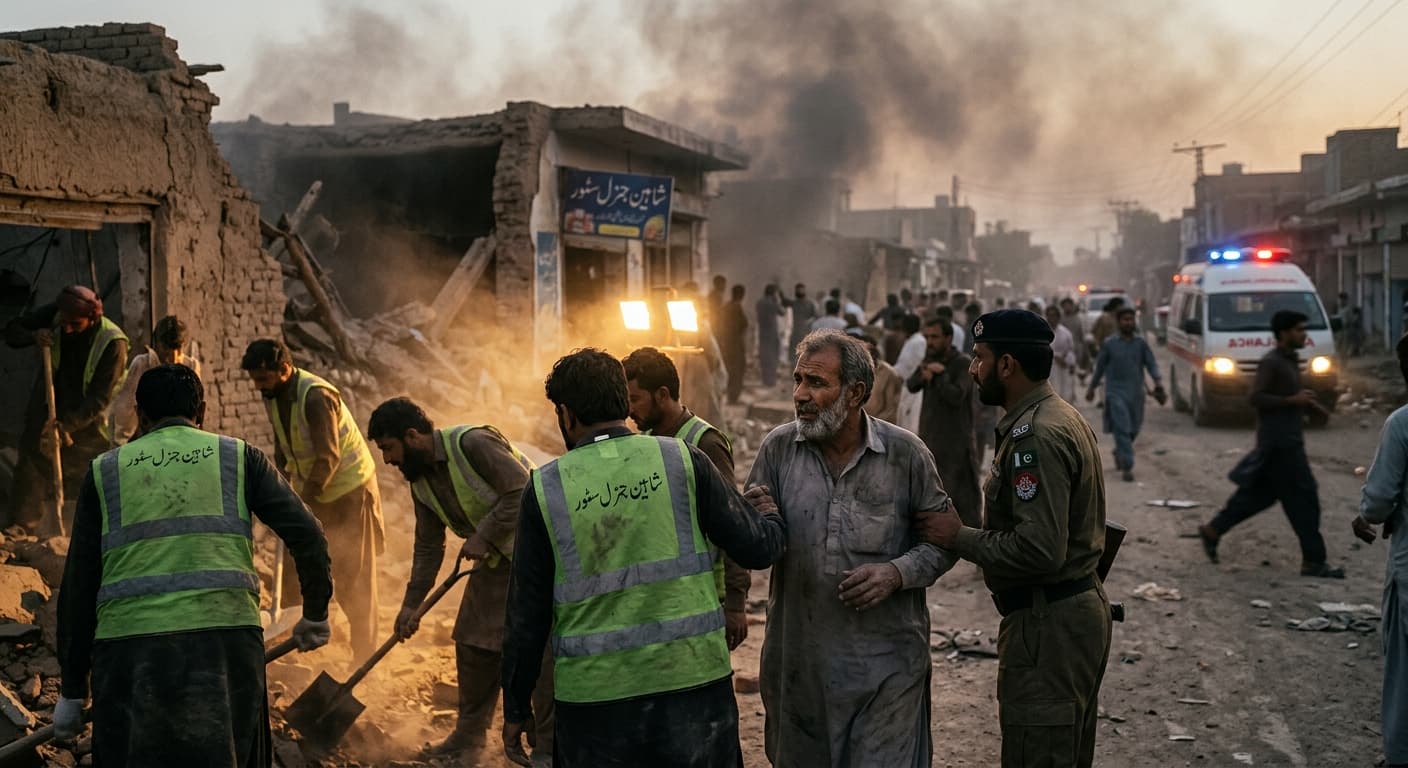
Bannu Bombings Expose TTP Resurgence
Recent bombings in Bannu signal a dangerous resurgence of TTP operations.

Conflict & Security
Trump's Iran Deal Faces Bipartisan Backlash
Trump's Iran deal sparks fierce criticism from both parties, revealing deep political divides.
Conflict & Security
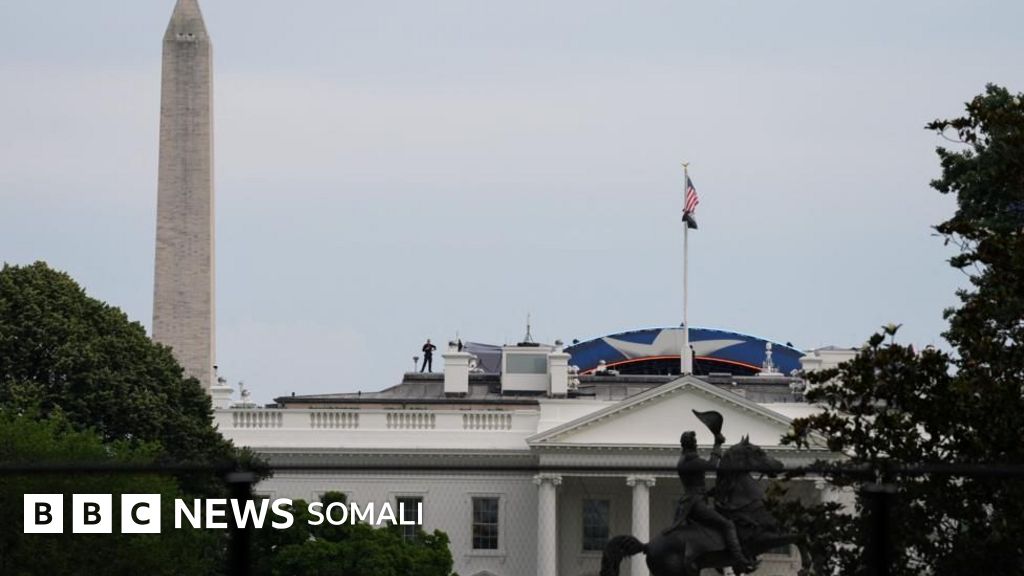
Trump Signs Iran Ceasefire—But Issues Remain
Trump's Iran ceasefire halts conflict but leaves key issues unresolved.
Global Politics
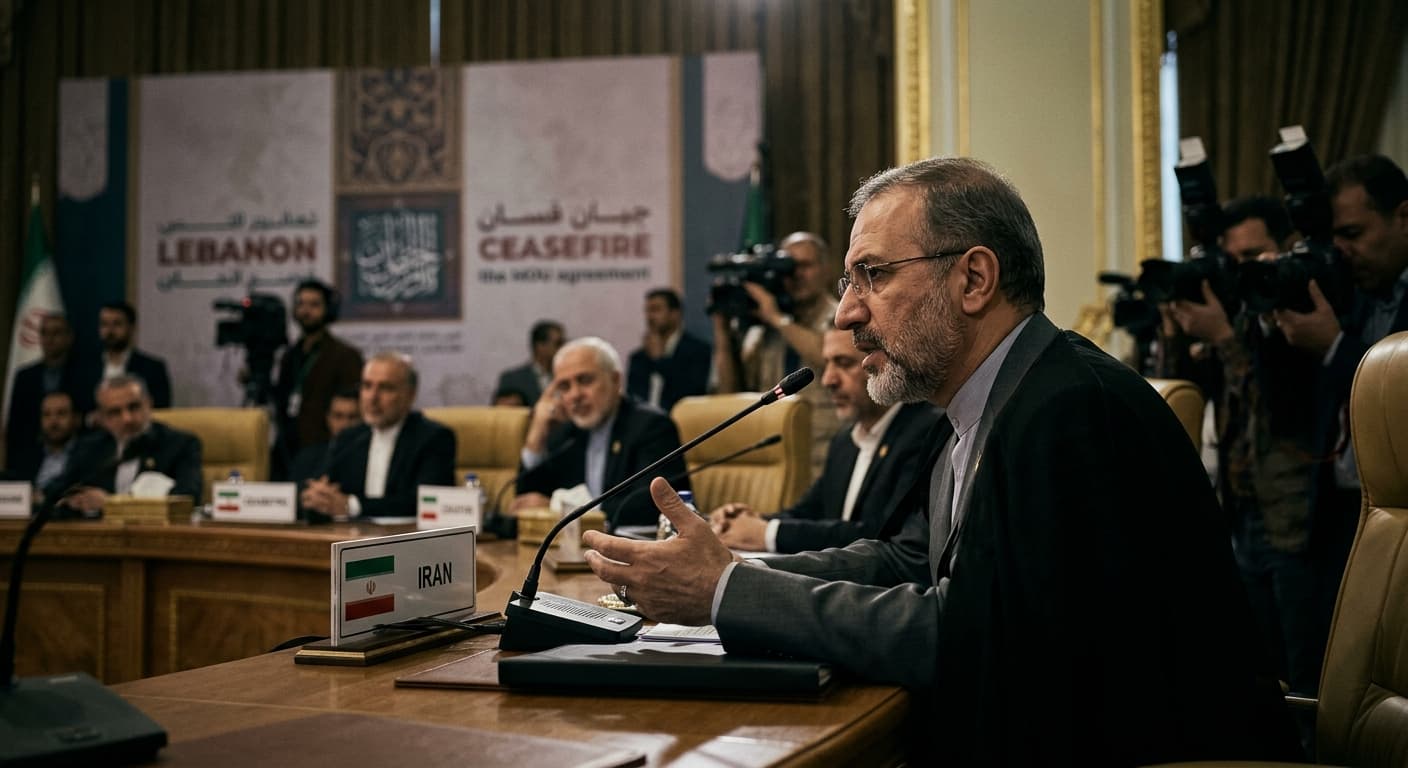
Iran Demands US Enforce Ceasefire
Iran insists the US must enforce a ceasefire in Lebanon to uphold the MoU.