Akhilesh Yadav's EVM Strategy for 2027
SP chief frames EVM fight as a test of democracy for 2027.
Model Diplomat2 min readAsia

Akhilesh Yadav Turns EVMs Into a 2027 Battlefield
The SP chief is using the EVM fight to frame the 2027 Uttar Pradesh race as a test of democratic credibility, not just seat arithmetic.
Akhilesh Yadav’s latest vow to abolish EVMs “even if it takes a century” is less a technical argument than a political strategy: he is trying to make distrust of the voting system central to the Samajwadi Party’s road to 2027. Speaking at the party headquarters in Lucknow, Yadav accused a “multi-layered election mafia” of shaping outcomes and cast the BJP as a divisive force that profits from discord, according to Hindustan Times.
What he is doing
This is not a new line, but the language is sharper. The Economic Times reported that Yadav has been pushing ballot-paper voting again, saying developed democracies still use secret ballots and arguing that the BJP has defeated the SP through EVMs. He has also linked the issue to a broader opposition pitch: protect the Constitution, clean up the electoral process, and unify anti-BJP forces.
That matters because Yadav is not simply seeking a procedural change. He is building a narrative in which the SP can explain defeat without conceding political weakness. For the party base, the EVM issue is a grievance amplifier. For rival opposition parties, it is a possible common denominator. For the BJP and the Election Commission, it is an attack on institutional legitimacy.
Why it matters now
The timing is the point. The Supreme Court upheld EVMs and rejected a return to paper ballots in April 2024, saying blanket distrust was not a basis for undoing the system, as The Hindu reported. The court also left the current VVPAT framework in place, with only limited verification, which means the legal architecture is not moving in the SP’s direction.
Yet Yadav has not backed off. Earlier this year, The Hindu reported that he was preparing to approach the Supreme Court on electoral transparency and voter-list issues. That is the real signal: the SP is widening the battlefield from voting machines to voter rolls, counting procedures, and the Election Commission’s credibility.
This is why the EVM fight still has political value even after adverse court rulings. It keeps the SP on territory where it can claim moral advantage, especially in a state where the 2027 assembly election will be the decisive test. It also forces the BJP to defend process, not just performance.
What to watch next
Watch whether Yadav converts this into an opposition coordination issue before 2027. If he can get Congress and other INDIA bloc parties to keep echoing concerns about ballots, rolls, and counting, the issue will outlive one press conference. Also watch the next Supreme Court and Election Commission flashpoint: any fresh petition on transparency, voter lists, or VVPAT verification will tell you whether this is still protest politics or becoming a coordinated campaign line.
For broader background, see India and
Global Politics.
Discover more
India
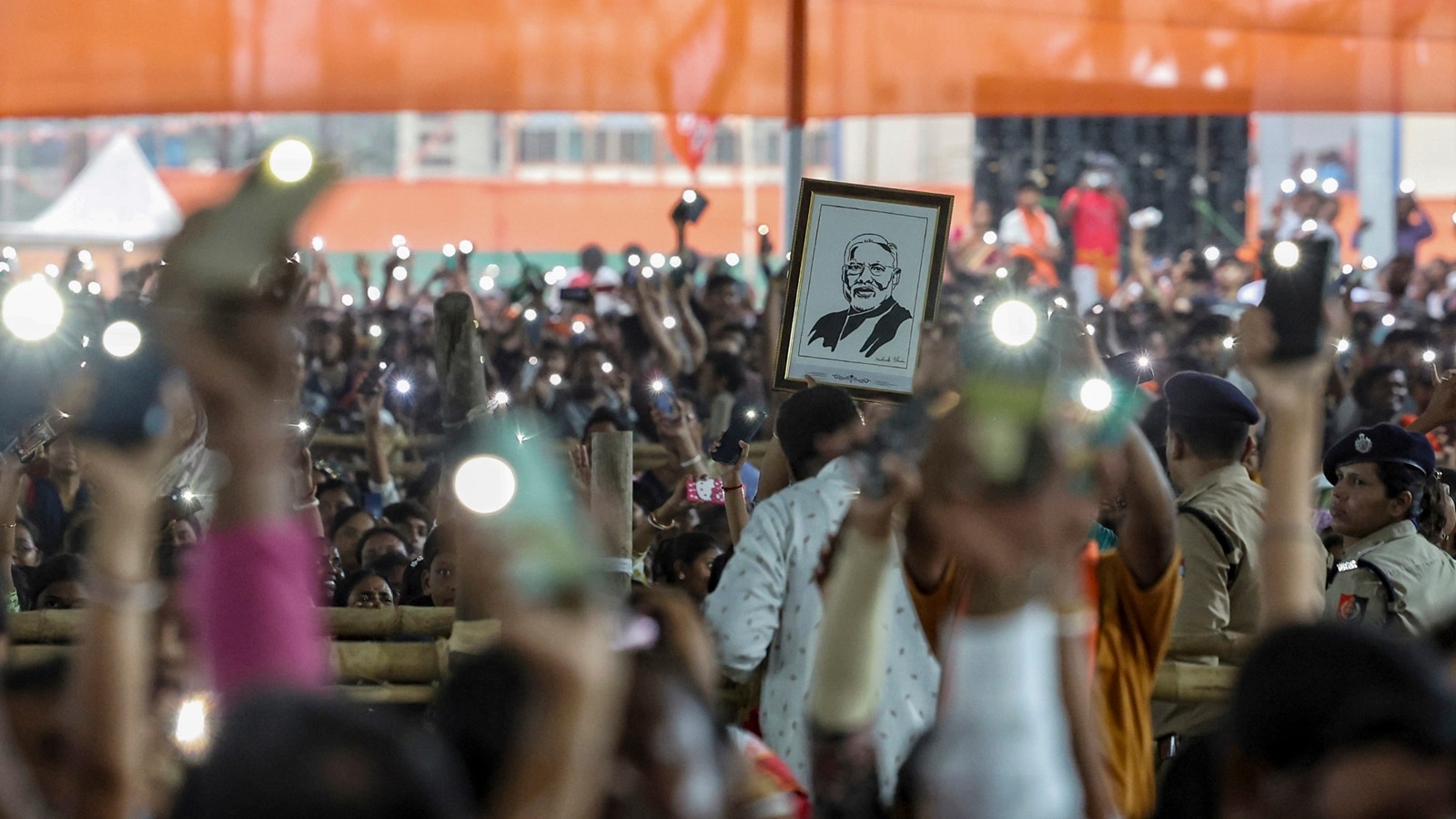
Modi's Women’s Convention in Varanasi
Modi's Varanasi rally frames women's reservation as a national mission, targeting the 2027 Uttar Pradesh elections with a strategic narrative.
India
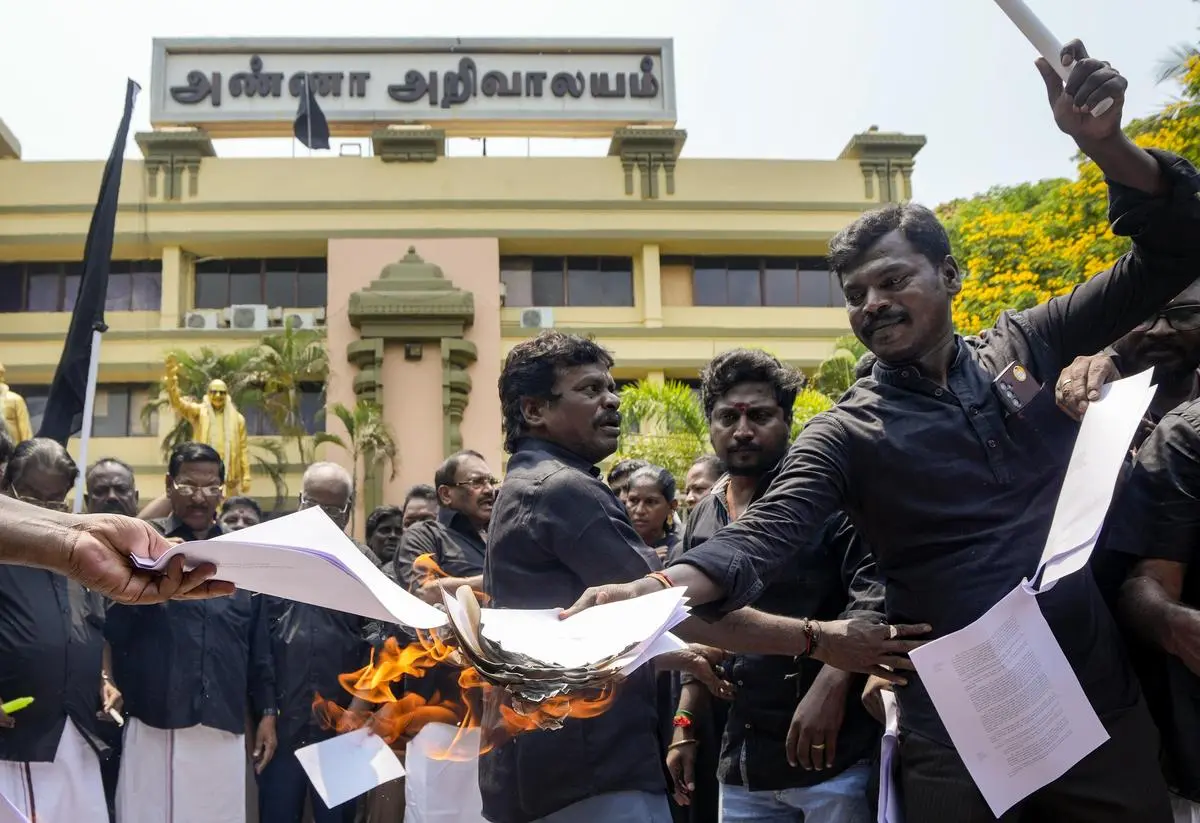
Women’s Reservation Bill 2026
The Constitution (131st Amendment) Bill, 2026 was defeated in Lok Sabha, revealing deeper political conflicts over women's reservation and delimitation.
India
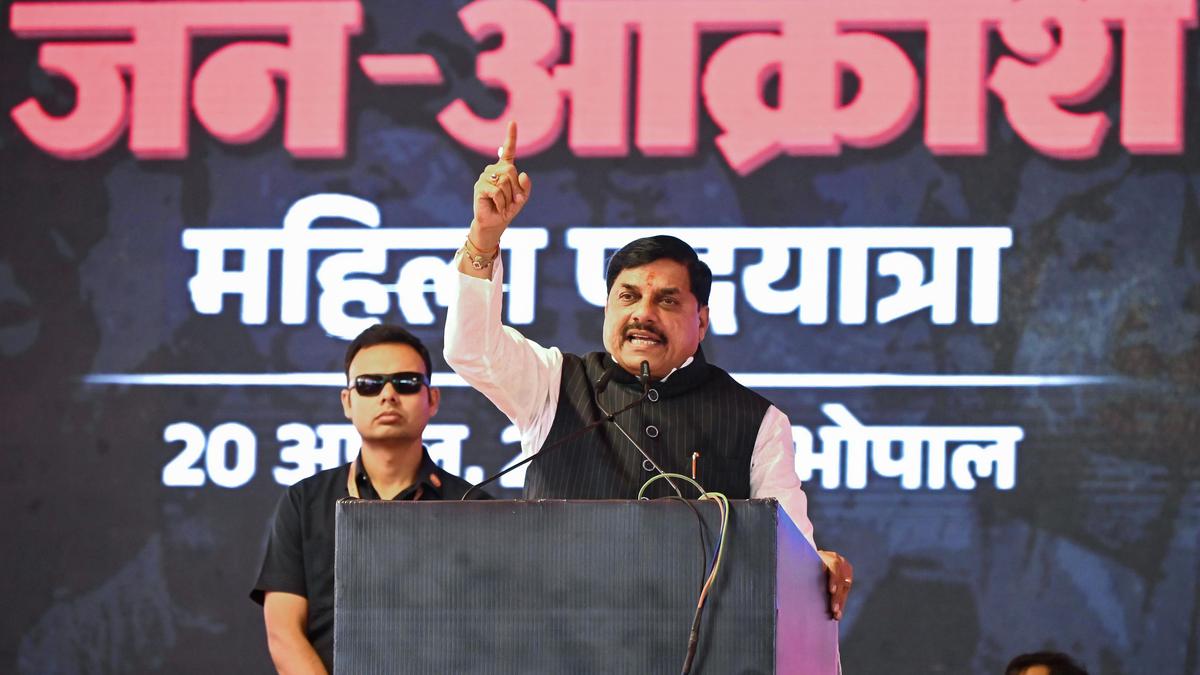
BJP Congress Clash Over MP Bill Defeat
The BJP's defeat of the women's quota amendment sparks a political narrative war with Congress, impacting future elections.

Conflict & Security
Drone Warfare Killing Aid Workers at Unprec
Over 1,000 humanitarian workers killed in three years as cheap armed drones collapse legal protections. Gaza, Sudan, Ukraine, and DRC see deliberate targeting of aid convoys and hospitals with zero prosecutions.