Akhilesh Yadav's Rigging Claims Against BJP
SP chief shifts focus to legitimacy of election process
Model Diplomat3 min readAsia
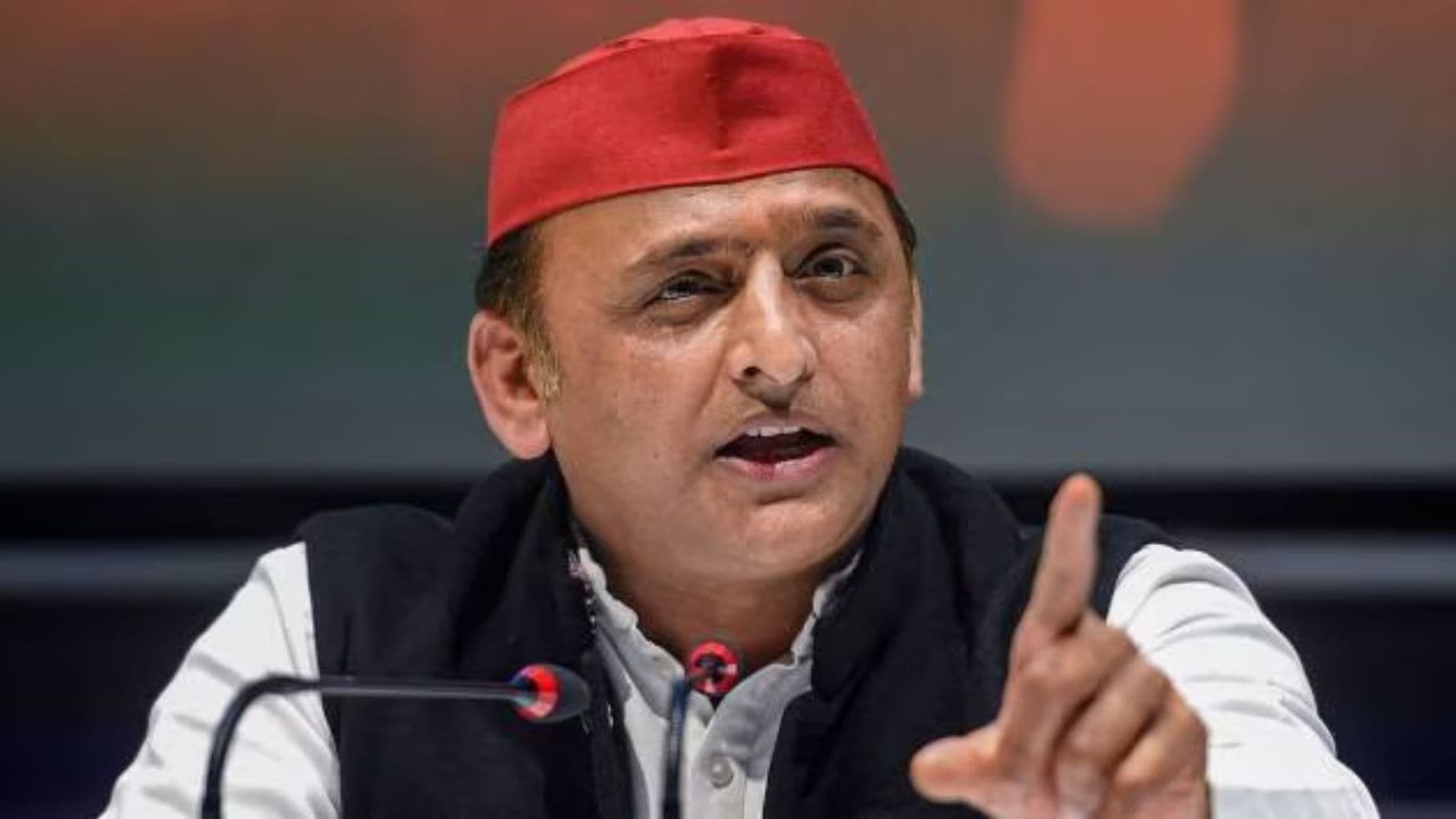
Akhilesh turns I-PAC exit into a rigging charge
SP chief is trying to shift the 2027 battle onto the BJP and the Election Commission, while using the I-PAC split to hide a more basic problem: money and machinery.
Akhilesh Yadav is doing two things at once: attacking the BJP and the Election Commission with a “vote dakaiti” charge, and publicly downplaying the Samajwadi Party’s decision to end its I-PAC arrangement as a simple funding issue, not a political setback (The Indian Express). That combination matters because it shows where the SP thinks the next fight will be won: not on policy, but on the legitimacy of the election process itself.
The core move: make the referee the target
Yadav told reporters in Lucknow that elections are being shaped by a “multi-layered election mafia” and described the process as “vote ki dakaiti,” alleging selective deletion and shifting of Muslim and Yadav votes in bypolls including Kundarki, Rampur and Milkipur (The Indian Express). He also questioned why vote counting cannot be livestreamed if court proceedings can be.
That is a deliberate political strategy. By targeting the BJP and EC together, Yadav is trying to do more than complain about one bad result. He is building a frame in which any future SP loss can be attributed to institutional manipulation rather than organization, caste arithmetic, or candidate quality. For the SP’s base, especially in India, that is a useful mobilizing story.
The I-PAC exit is about capacity, not just optics
Yadav also said the SP ended its contract with Indian Political Action Committee because it did not have the money to continue, rejecting speculation that the split reflected election results (The Indian Express). The New Indian Express reports that the proposed tie-up had been close to finalisation, with I-PAC already presenting a campaign blueprint, but no formal agreement had been concluded (
The New Indian Express).
That detail matters. It suggests the SP was shopping for an outsourced campaign edge ahead of the 2027 Uttar Pradesh assembly election, then backed away as I-PAC faced its own troubles in Bengal and as the cost-benefit calculation changed (The New Indian Express). The loser here is not just I-PAC; it is the idea that the SP can buy a turnkey campaign fix. Yadav is signaling a return to cheaper, more local, more political campaigning.
What this means for 2027
The immediate beneficiary is Yadav himself. He gets to present the SP as embattled but alert, financially constrained but still confident, and cast the BJP as needing institutional help to win. The bigger effect is on the EC: once an opposition leader repeatedly links it to “vote dacoity,” every administrative misstep will be read through a partisan lens.
What to watch next is simple: whether the SP follows this rhetoric with hard evidence, and whether the EC responds publicly to the allegations before the 2027 campaign hardens. The next real test is not the press conference; it is whether Yadav can rebuild an election machine fast enough to compete without I-PAC, and whether his “vote dakaiti” line becomes a lasting campaign theme or just another protest slogan.
Discover more
India
BJP Congress Clash Over MP Bill Defeat
The BJP's defeat of the women's quota amendment sparks a political narrative war with Congress, impacting future elections.
India
CPI MP Accuses PM Modi of MCC Violations
CPI MP P Sandosh Kumar alleges PM Modi breached the Model Code of Conduct in Tamil Nadu, raising election integrity concerns before the 2026 Assembly polls.
India
700 Activists Accuse PM Modi of MCC Breach
Over 700 activists allege PM Modi breached election code with a televised address attacking opposition parties just before state elections.

Conflict & Security
Drone Warfare Killing Aid Workers at Unprec
Over 1,000 humanitarian workers killed in three years as cheap armed drones collapse legal protections. Gaza, Sudan, Ukraine, and DRC see deliberate targeting of aid convoys and hospitals with zero prosecutions.