The Taliban's Quiet Normalization in Brussels
EU hosts Taliban officials for migration talks.
Model Diplomat4 min readasia
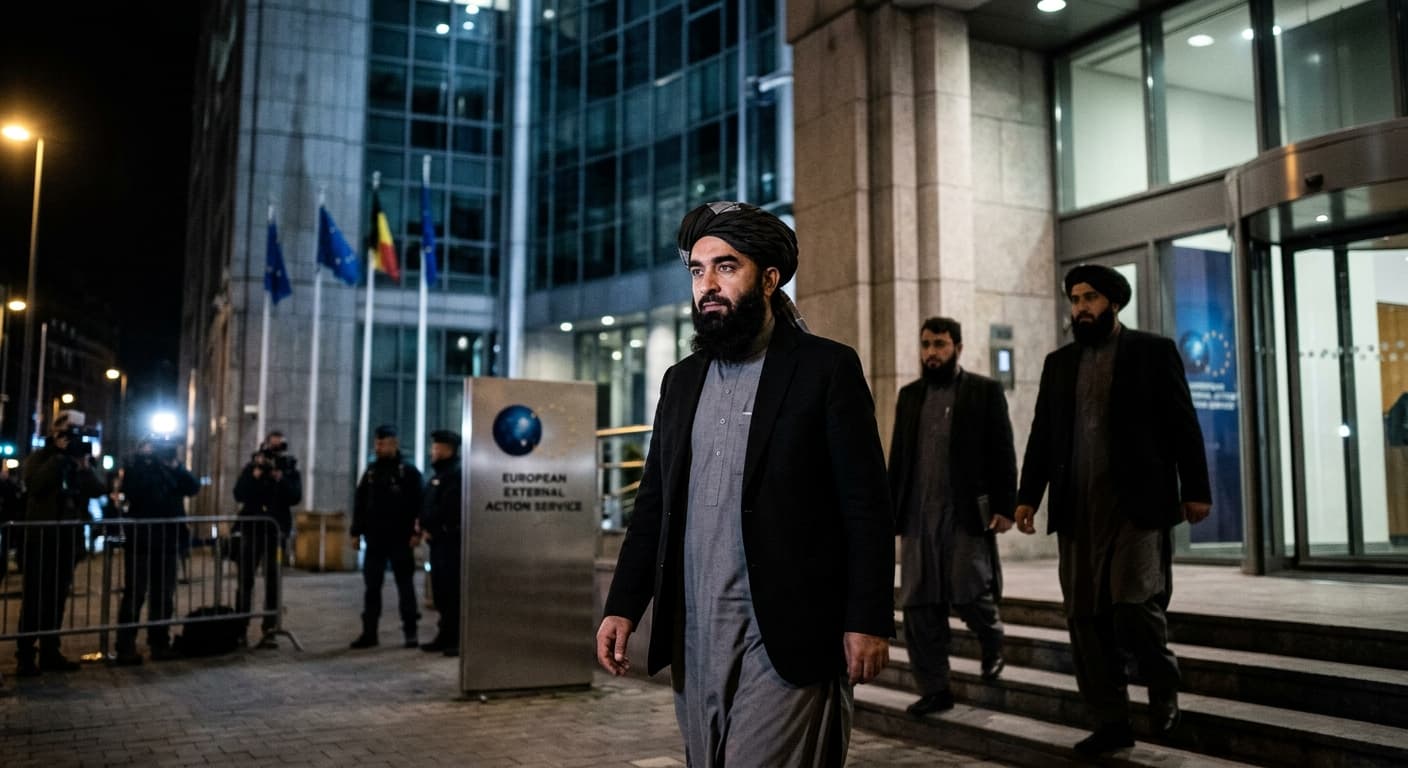
The Taliban's Quiet Normalization: Why Brussels Just Opened Its Doors
The EU hosted Taliban officials for the first time last week — not as recognition, but as a migration deal. Russia recognized them outright. The $9 billion question remains frozen.
On June 23, a five-man Taliban delegation entered Brussels on one-day Belgian visas. They sat down with EU officials and representatives from 15 member states to discuss one thing: deportations. It was the first time the European Union had hosted the group since it seized Kabul in August 2021 — and it marks something more significant than the EU's careful language of "technical-level talks" suggests. Al Jazeera
The power dynamic has shifted. For five years, Western capitals held the line: no formal engagement with the Taliban without progress on women's rights, inclusive governance, and counterterrorism. That line is now bending — not because the Taliban have conceded, but because European governments need something from them.
The EU's migration chief, Magnus Brunner, defended the outreach bluntly: Brussels has no other option for returning Afghan nationals without legal standing, particularly those convicted of crimes. Between 2013 and 2024, Afghans filed roughly one million asylum applications in the bloc. Acceptance rates remain relatively high but are tightening as migration policies across Europe harden. Al Jazeera
The meeting does not constitute recognition — the Commission emphasized that repeatedly. But it does constitute leverage. The Taliban got a Brussels audience without budging on any of the restrictions that define their rule: women barred from secondary education, employment restrictions, morality laws enforced by a vice-and-virtue ministry. Human Rights Watch researcher Fereshta Abbasi called the meeting a blow to EU credibility: "EU countries are undermining their credibility by condemning Taliban abuses and pursuing accountability on one hand, while cooperating with the Taliban to forcibly return Afghans on the other." Al Jazeera
The Russian Precedent
Brussels didn't move first. Russia did.
In July 2025, Moscow became the first country to formally recognize the Taliban government, accepting the credentials of an Afghan ambassador. Russian Foreign Minister Sergey Lavrov had signaled the move for months, describing the Taliban as a "reality" requiring "pragmatic, not ideologised policy." In April 2025, Russia removed the Taliban from its list of terrorist organizations — a prerequisite that Western states have not come close to matching. BBC
The Kremlin's calculus is straightforward. It sees the Taliban as a partner on counterterrorism — particularly against ISIS-K — and as an economic opportunity: energy exports, transit routes to South Asia, and agricultural trade. In May 2026, Russia and the Taliban signed a security cooperation memorandum whose contents remain undisclosed, deepening the relationship. Al Jazeera
Moscow benefits from being first mover. It has locked in diplomatic primacy with a regime that the West still officially shuns, while positioning itself as a power broker in a region where the US presence collapsed in 2021.
China Holds the Next Card
Beijing has walked a characteristically calibrated path — closer than Western states, but stopping short of formal recognition. In January 2024, China became the first country to accept a Taliban-nominated envoy to Beijing, though the Foreign Ministry quickly clarified this did not equal recognition of the government itself. A subsidiary of the state-owned China National Petroleum Company signed a 25-year oil extraction deal with the Taliban in 2023 — the first major foreign investment since the takeover. Al Jazeera
The pattern is clear: China gets the economic access and diplomatic channel without paying the political cost of recognition. But as analyst Kabir Taneja of the Observer Research Foundation noted after Russia's move, China is among the countries most likely to follow with formal recognition — particularly if it calculates that Moscow is accruing too much unilateral influence in Kabul. Al Jazeera
What to Watch
The $9 billion in frozen Afghan central bank reserves — roughly $7 billion held in the US, the rest in European and Emirati banks — remains the prize the Taliban cannot touch. The US moved $3.5 billion into a Swiss-based trust fund in 2022, shielded from Taliban access and overseen by an international board. Another $3.5 billion is tied up in 9/11-related litigation. The Taliban continue to demand full release at every diplomatic engagement, including the Doha talks. No breakthrough is imminent, but each incremental meeting — Brussels, Doha, Moscow — chips at the Western position that engagement must wait for reform. Al Jazeera
The UN seat remains with the pre-Taliban republic's ambassador. That will hold as long as Washington and its allies maintain the current posture. But the real question is whether migration pressure in Europe and counterterrorism concerns in Moscow and Beijing accelerate a de facto normalization that makes formal recognition a matter of time rather than principle.
Watch for: the next Doha round — whether civil society, particularly Afghan women, are again excluded at Taliban insistence; whether China follows Russia's recognition before year-end; and whether any EU member state breaks ranks to open a formal diplomatic mission in Kabul. *
Discover more

US Politics
SNAP Food Assistance Faces Legal Challenges
In 2026, SNAP faces stricter eligibility rules and mounting legal challenges, threatening food assistance for the millions of Americans who rely on the program.
US Politics
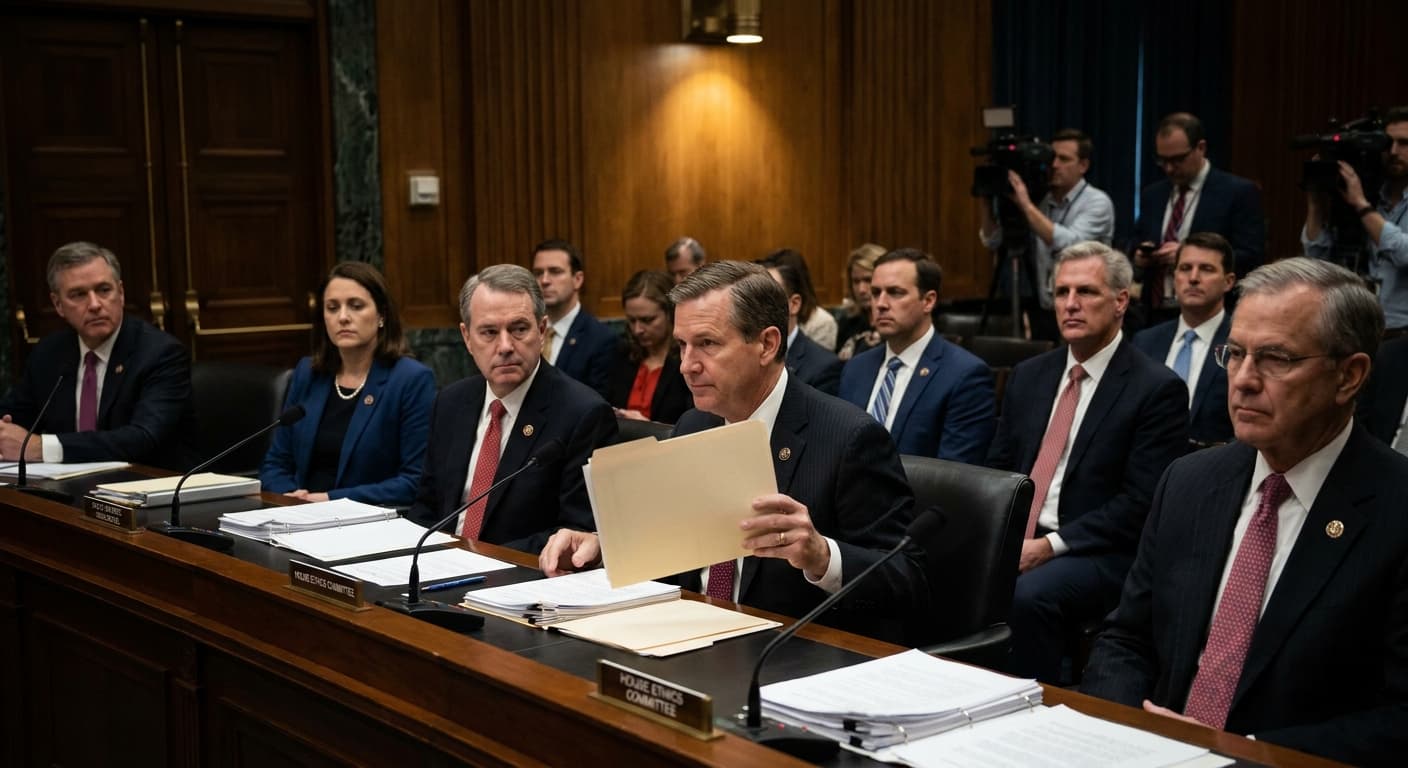
House Ethics Committee Pushes Sexual Miscond.
The House Ethics Committee has shifted responsibility for sexual harassment settlement records to the Office of Congressional Workplace Rights, complicating disclosure efforts.
India
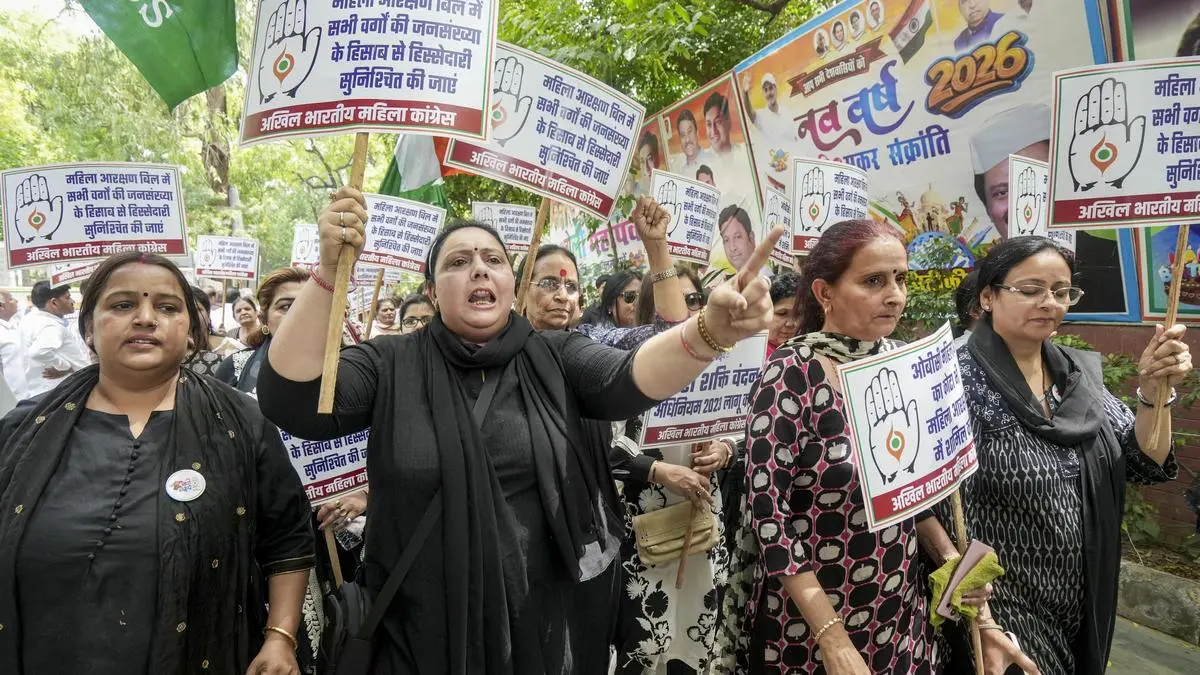
BJP's Misunderstanding of Women's Quota Needs
The BJP's linking of the Women Reservation Bill to delimitation risks delaying women's empowerment in India, misreading the aspirations of female voters.

Conflict & Security
Drone Warfare Killing Aid Workers at Unprec
Over 1,000 humanitarian workers killed in three years as cheap armed drones collapse legal protections. Gaza, Sudan, Ukraine, and DRC see deliberate targeting of aid convoys and hospitals with zero prosecutions.

