

Diplomat Briefing
Iran War Diplomacy Deadlocked — Global Politics Briefing, May 23, 2026
·5 developments
For the complete documentation index, see llms.txt.Skip to main content
A world stretched across three simultaneous crises — Iran, Ukraine, and Cuba — where Washington holds leverage everywhere and control nowhere.
Pakistan's Field Marshal Asim Munir arrived in Tehran today as the most senior broker yet in the Pakistan-Qatar mediation track. Iran's Foreign Ministry called the moment "decisive." That word is doing a lot of work: Iranian officials simultaneously said gaps with Washington remain "deep and significant," specifically on uranium enrichment and control of the Strait of Hormuz. Tehran is demanding a two-phase deal — war ends first, nuclear talks second — while Washington insists on a single package. Rubio says there are "good signs" but has also warned of "other options." With the USS Abraham Lincoln strike group at "peak readiness" in the Arabian Sea and a France-drafted UNSC resolution on Hormuz meeting a likely Russian-Chinese veto, the architecture for either a deal or a second round of war is being assembled simultaneously. The White House's midterm clock is ticking; Tehran's calculus is that it isn't.
Al Jazeera — Iran War Day 85 |
Al Jazeera — Iran War Day 84
Acting Navy Secretary Hung Cao told a Senate hearing the $14bn Taiwan arms package is on hold to conserve munitions for Operation Epic Fury in Iran — the largest arms transfer ever proposed to Taiwan, covering PAC-3 air defense missiles. Trump already described the package to Fox News as a "very good negotiating chip" with Beijing days after his Xi summit, where Xi explicitly said Taiwan was the top bilateral issue. Republican Sen. Mitch McConnell called the pause "distressing." Taiwan's presidential office said it had received no formal notification. The International Crisis Group's William Yang warned the move will "exacerbate anxiety and skepticism about US support in Taiwan" — exactly what Beijing has been engineering for months.
Following Wednesday's DOJ indictment of 94-year-old former President Raúl Castro — charged with conspiracy to kill US nationals in the 1996 Brothers to the Rescue shootdown — Trump told reporters he will likely be "the one" to finally intervene in Cuba. Rubio, departing for Sweden and India, called a diplomatic solution "not high" probability. A US carrier arrived in the Caribbean this week. The pattern is explicit: the Castro indictment mirrors the 2020 Maduro drug charges that preceded the January special operation in Venezuela. CNN reports US military surveillance flights off Cuba have intensified — the same pattern that preceded both the Venezuela and Iran operations. China "firmly supports" Cuba and urged Washington to stop "threatening force"; the Kremlin called the pressure "bordering on violence."
Ukrainian commander-in-chief Syrskii reported Russia has suffered 83,000 irreversible casualties since January 1 alone, with losses exceeding 1,000 per day against a recruitment rate of only 800–930. Moscow's 2026 budget deficit hit $78.4bn in just four months, nearly 56% above its full-year target. Ukraine's drone campaign has cut Russian oil output by 460,000 barrels per day versus April 2025. Russia's response: last week's nuclear drills with Belarus — 65,000 troops, 200+ missile launchers, ballistic and cruise missile test-launches — timed with pressure on Lukashenko to open a second front from Belarus toward Chernihiv. NATO Secretary-General Rutte warned Moscow that any nuclear use would draw a "devastating" response; Lukashenko simultaneously signaled he is ready to meet Zelenskyy.
Al Jazeera — Russia Ukraine |
Al Jazeera — Belarus Nukes
Trump announced 5,000 additional US troops to Poland on Truth Social, explicitly linking the deployment to his endorsement of new Polish President Karol Nawrocki — whose election he "was proud to endorse." The announcement came days after the Pentagon cancelled a 4,000-troop rotation to Poland and weeks after Trump announced a 5,000-troop withdrawal from Germany, triggered by a row with Chancellor Merz over Iran. Poland spends 4.5% of GDP on defense and has been a leading Ukraine backer. Analysts note the pattern is now unmistakable: Washington is operationalizing a loyalty-based alliance architecture that rewards MAGA-aligned governments and punishes critics — not NATO's eastern flank per se, but Trump's political relationships within it.
$78.4bn — Russia's federal budget deficit, January–April 2026 alone, against a full-year target of $50.5bn. Ukraine's drone campaign against refineries and oil export terminals is directly accelerating Moscow's fiscal hemorrhage. Al Jazeera
The UN NPT Review Process Just Collapsed — With US Fingerprints Buried beneath Iran war headlines: UN member states failed this week to reach agreement after four weeks of negotiations on nuclear nonproliferation and disarmament goals, with Iran's UN mission explicitly blaming "obstructionism by the United States and its allies." The timing is not incidental. The US is simultaneously waging a war that has exposed gaps in nuclear doctrine (Russia's Belarus deployments), pausing arms sales that touch nuclear deterrence (Taiwan), and demanding Iran surrender its enriched uranium stockpile as a peace condition. A collapsed NPT process weakens the institutional architecture that would otherwise govern a post-war Iran nuclear settlement — and leaves Pakistan, the war's chief mediator, in the awkward position of brokering a nuclear deal outside the framework it just failed to uphold.
Diplomat Briefing — Daily political intelligence.
Read more:
Today's stories
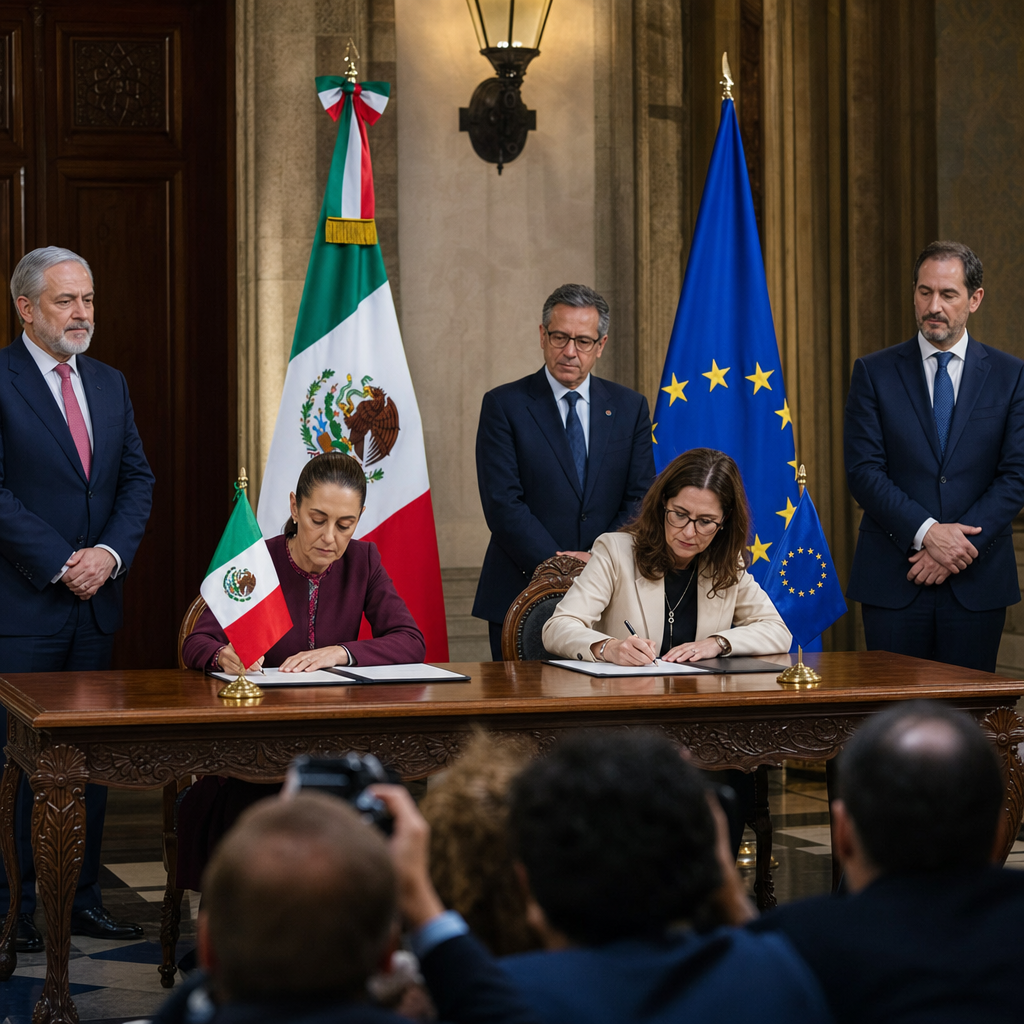
Mexico and the EU's new trade deal signals a strategic shift away from US reliance.
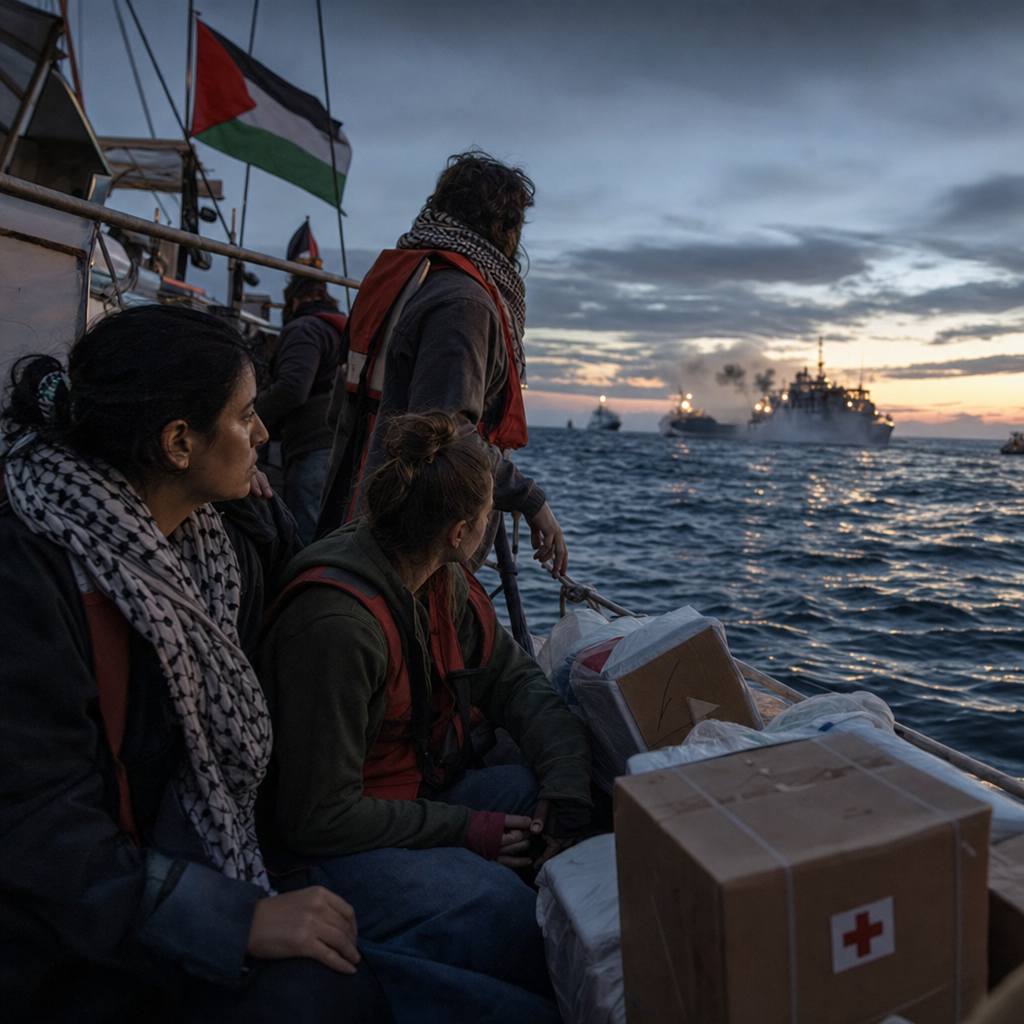
Israel's crackdown on the Gaza flotilla faces international backlash over detainee treatment.
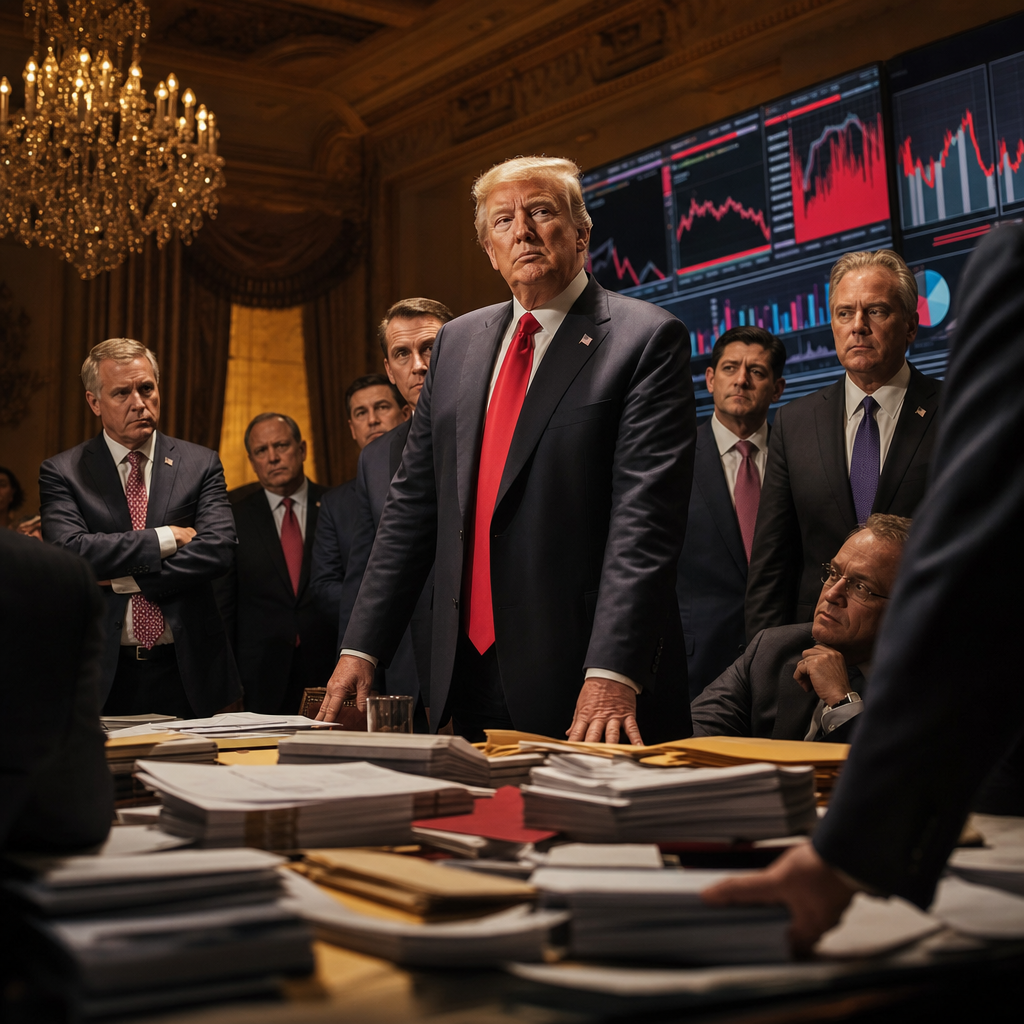
Trump's $1.776B fund tests GOP loyalty and control dynamics.