

Diplomat Briefing
U.S.-Iran Ceasefire Negotiations in Islamabad
·7 developments·1 deep dive
For the complete documentation index, see llms.txt.Skip to main content
The two-week U.S.-Iran ceasefire is holding in name, but the Islamabad talks this week will determine whether it becomes a framework for peace or merely the last pause before escalation.
The fragile two-week ceasefire between the United States, Israel, and Iran — brokered by Pakistan's Prime Minister Shehbaz Sharif and Field Marshal Asim Munir — entered its most consequential phase today as delegations from Washington and Tehran converge on Islamabad for direct talks. The truce, announced after Trump narrowly pulled back from threats to strike Iranian power plants and bridges, is contingent on Iran keeping the Strait of Hormuz open; Tehran, in turn, insists on a permanent end to hostilities, not a temporary pause. Iran's 10-point framework — demanding sanctions relief, recognition of uranium enrichment rights, compensation for war damage, and a U.S. military withdrawal from the region — remains the starting point for negotiations, but Washington has not publicly accepted any of its core terms. The proposed "Islamabad Accord" would implement a permanent ceasefire within 15–20 days if talks succeed, followed by a comprehensive final agreement; failure would almost certainly trigger the infrastructure strikes Trump has repeatedly threatened.
U.S. equities have been trading in a narrow band as investors weigh the probability of resumed strikes: the S&P 500 edged up 0.4%, but crude oil remains elevated above $100/barrel, reflecting persistent Hormuz risk. Trump's public ultimatums — including an expletive-laden social media post demanding the strait be opened — have injected enough uncertainty that the UN Security Council postponed a vote on a resolution to guarantee Hormuz transit, with Bahrain (currently chairing the Council) proposing authorization for defensive passage measures for at least six months. The IMF has separately warned of global growth slowdowns if oil stays above $100, with European GDP forecasts already being revised downward.
The conflict, now past its 50th day, has killed more than 1,900 people inside Iran and over 1,300 in Lebanon, with 13 U.S. and 10 Israeli military personnel dead. Millions are displaced across both countries. Ukrainian President Volodymyr Zelenskyy has gone public with a direct warning: a prolonged Iran conflict will drain the Patriot air defense systems the U.S. was scheduled to deliver to Kyiv, subordinating Ukraine's war needs to Middle East theater demands. Zelenskyy's concern is structural — if Washington is simultaneously funding active combat operations against Iran and resupplying Israel, the logistics pipeline for Ukraine narrows. Russia conducted overnight drone strikes on Kyiv using up to 12 Iranian-made Shahed drones launched from the Bryansk region (eight were shot down), a grim irony given the Iran war context.
The most geopolitically striking subplot of this crisis is Pakistan's transformation from international pariah to indispensable broker. Under Field Marshal Asim Munir, Islamabad has cultivated simultaneous trust with Washington, Beijing, Tehran, Riyadh, and Ankara — a balancing act that has positioned it as the only party all sides will talk through. Pakistan's IMF stabilization deal underpins the credibility: a country not in economic freefall is a country with negotiating leverage. By contrast, India has been sidelined — a function of frayed ties with the Trump administration and New Delhi's reluctance to seek a role it hasn't been invited to play. Indian officials have publicly dismissed Pakistan's mediation as "limited," but the internal debate in Delhi over whether to pursue its own diplomatic track is sharpening. The gap between India's regional ambitions and its current diplomatic isolation from the crisis is the story analysts aren't telling loudly enough.
Reuters |
BBC News |
Al Jazeera
The Iran war's second-order damage is landing hardest in Europe. Germany cut its 2026 GDP growth forecast to 0.6% — down from a prior projection of 1.3% — with eurozone inflation climbing to 2.5% in March on the back of a ~5% energy price surge. Berlin has introduced daily price caps at petrol stations and expanded antitrust enforcement powers; Poland, Austria, Sweden, Latvia, Lithuania, and Norway have all moved to fuel tax cuts or price caps. The EU Energy Commissioner has warned that prices will not normalize quickly even if a Hormuz settlement is reached, because infrastructure and supply-chain dislocations persist for months after a conflict pause. For the ECB, the combination of slowing growth and sticky energy-driven inflation replicates the stagflation dilemma of 2022 — and the policy toolkit is no cleaner now than it was then.
Anutin Charnvirakul of the Bhumjaithai Party is set to become Thailand's 33rd prime minister after securing a coalition commanding roughly 325 of 500 House seats, combining Bhumjaithai (193 seats), Pheu Thai (74 seats), Kla Tham (58 seats), and a cluster of smaller parties. The progressive People's Party — successor to the banned Move Forward, which won 120 seats — is in opposition. Parliament is scheduled to convene this week to formally elect a speaker and vote on the prime minister. The coalition is arithmetically stable but politically complex: Kla Tham's Thammanat Prompao, a controversial figure with a criminal conviction abroad, retains influence inside the bloc, and Pheu Thai's participation is seen partly as a hedge against that influence rather than ideological alignment.
The Straits Times |
Bangkok Post
$100+/barrel — Brent crude price floor since Hormuz disruption began. The IMF warns sustained prices at this level will shave 0.5–1.0 percentage points off global growth for 2026, with the heaviest damage in energy-import-dependent emerging markets. AP News
84 of 179 seats — Denmark's left bloc result in the March 24 snap election, leaving PM Mette Frederiksen short of a majority. Kingmaker Lars Løkke Rasmussen (Moderates, 14 seats) has paused talks with Frederiksen, demanding she engage the center-right — coalition negotiations remain unresolved nearly four weeks after the vote. Le Monde |
France 24
Mongolia Just Got Its Third Prime Minister in Nine Months
While the world watches Hormuz, Mongolia — a landlocked democracy sitting on some of the world's largest untapped copper and coal reserves — named Uchral Nyam-Osor, a 39-year-old reform technocrat, as its third head of government in under a year. The revolving door reflects deep factional warfare inside the ruling Mongolian People's Party and growing economic anxiety tied to commodity price volatility. Mongolia is mid-negotiation with Rio Tinto over the Oyu Tolgoi copper mine — one of the largest in the world — and recently struck a uranium deal with France's Orano. Political instability at the top complicates both deals at a moment when Western capitals are actively competing with Beijing for access to critical minerals. Uchral's reform credentials are real, but his mandate is thin in a fractured parliament.
U.S.-Iran Talks in Islamabad: Key Challenges and Dynamics
As U.S.-Iran talks resume in Islamabad, key challenges arise from internal power dynamics and regional implications.
Diplomat Briefing — Daily political intelligence.
Read more:
Today's stories
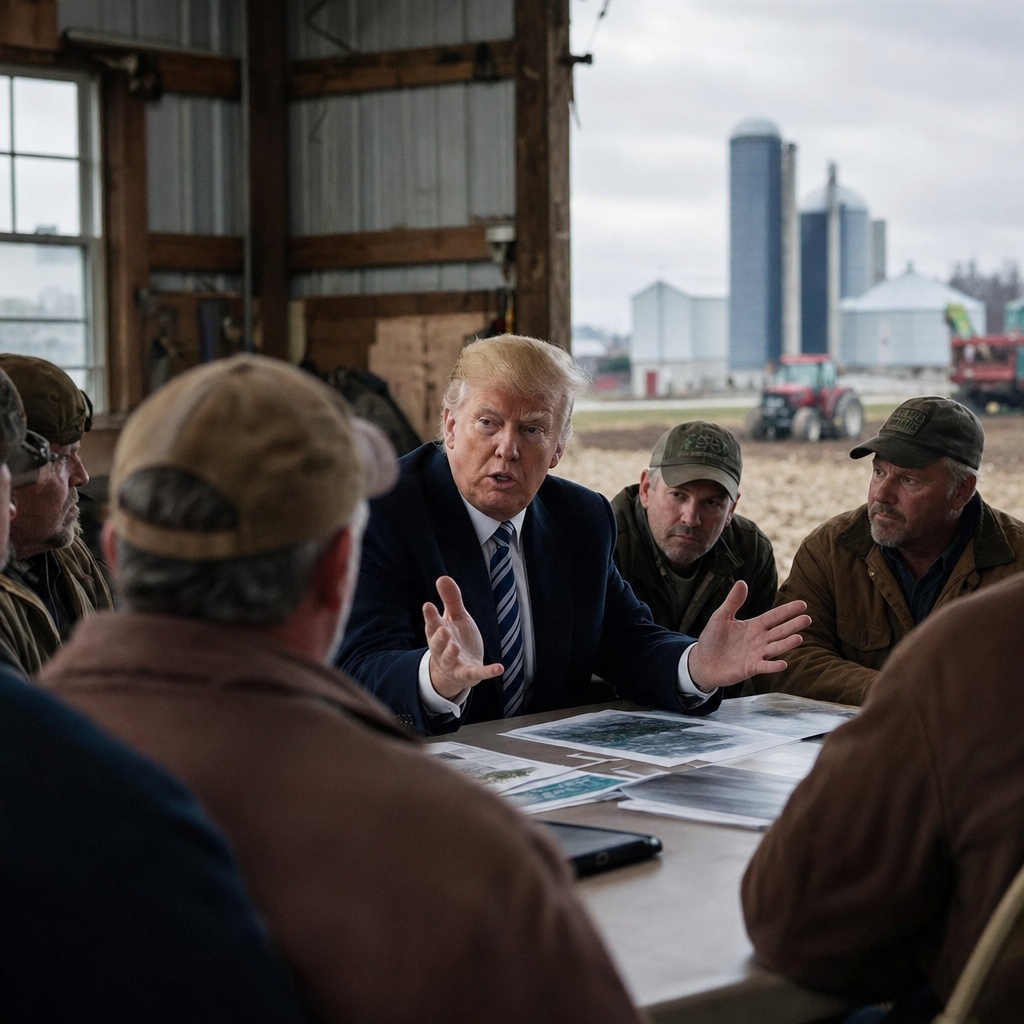
Trump's agricultural roundtable highlights risks as rural support wanes.
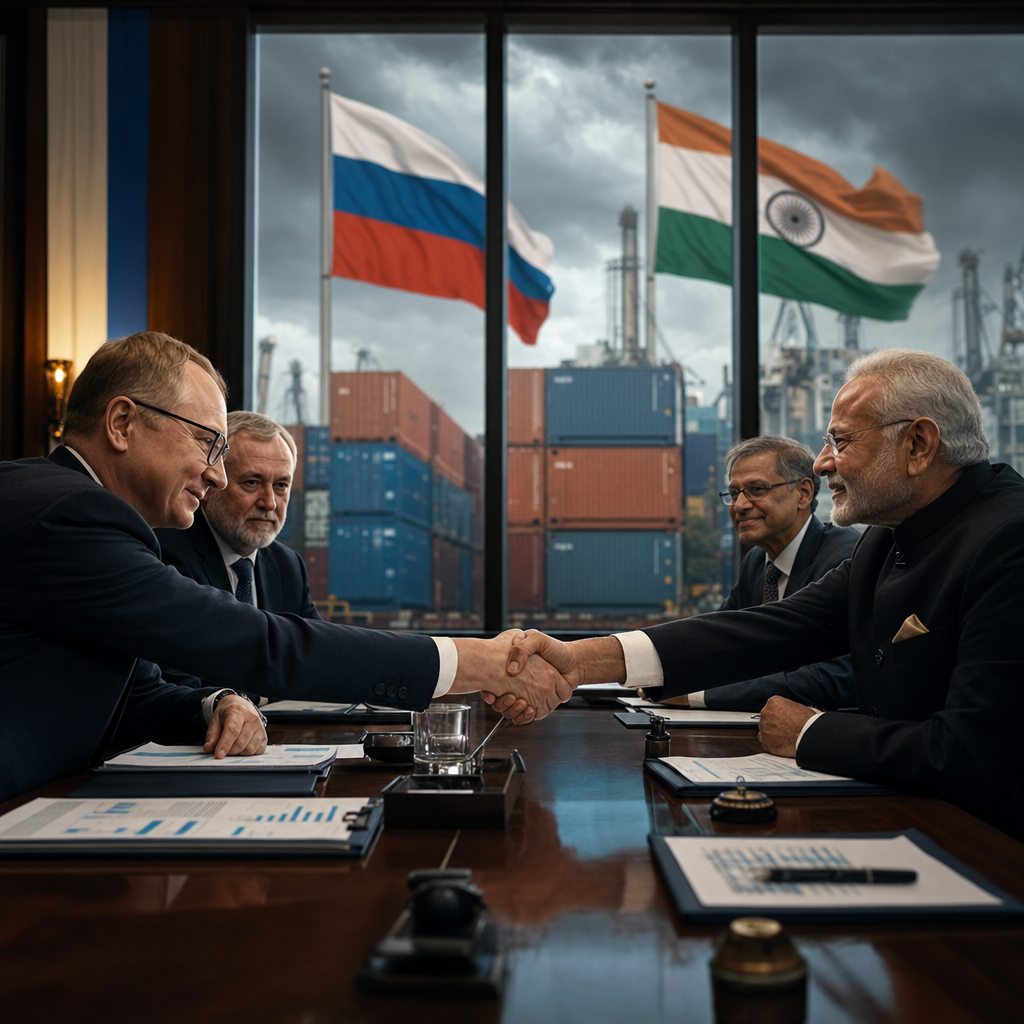
Russia and India deepen economic ties despite U.S. tariffs and sanctions.
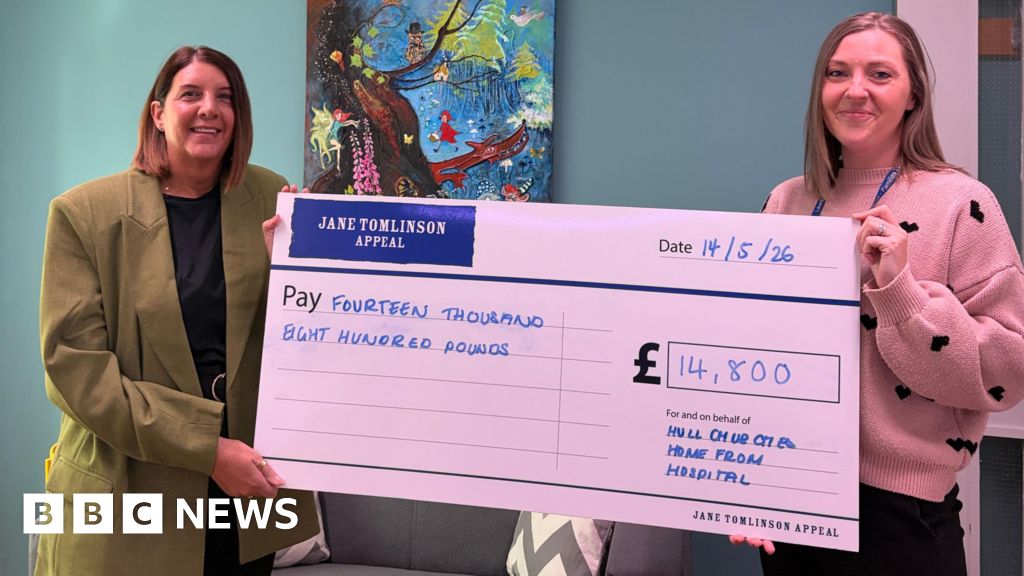
Yorkshire charities are overwhelmed as local budgets collapse, revealing a funding crisis.