Yorkshire Philanthropy Plugs Gaps as Local Budgets Collapse
A £176,000 lottery of grants highlights the growing, unsustainable burden placed on civil charities as northern English councils slash local budgets.
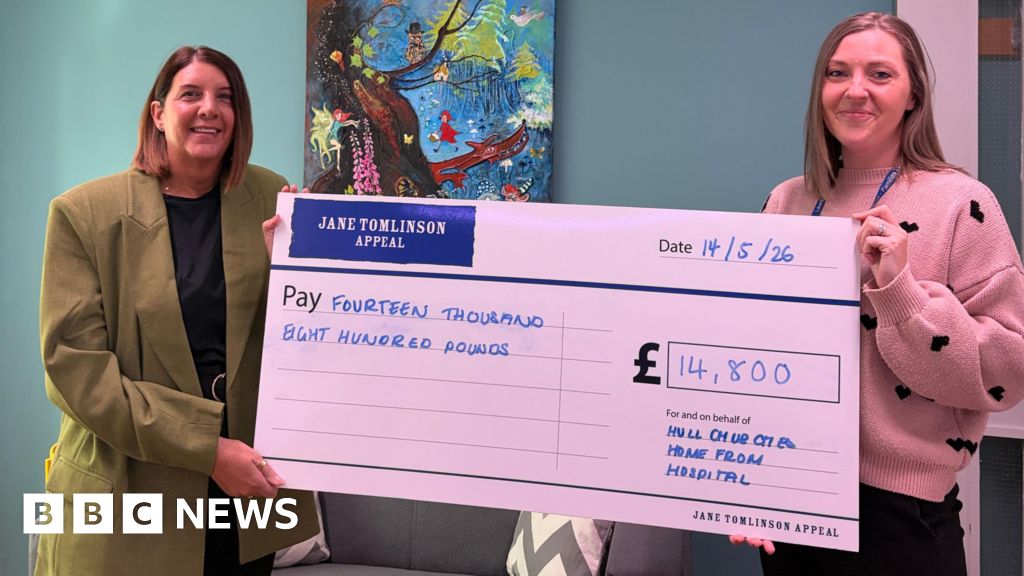
On June 05, 2026, the Jane Tomlinson Appeal announced a £176,000 funding injection into 15 Yorkshire-based charities, according to  BBC News. The grants, distributed through the organization's "Big Charity Giveaway," target critical social frontlines, from bereavement support in York to autism programs in Sheffield and poverty relief in Leeds. While celebrated locally as a lifeline, this private philanthropic deployment is a microscopic antidote to a much larger structural disease: the rapid fiscal retrenchment of the local British state.
The Retrenchment of the Local State
The reality is that third-sector charity is being forced to substitute for statutory public services that are vanishing under fiscal duress. In early 2026, northern English local authorities approved sweeping austerity budgets. The City of York Council implemented a maximum 4.99% council tax hike alongside £4.3 million in cuts, warning in a report carried by BBC News that funding reforms would make it the lowest-funded unitary authority per head in England. Meanwhile, BBC News reported that North Yorkshire Council slashed its disabled children's services and public health budgets to cope with a multi-million-pound deficit. As councils withdraw from non-statutory early intervention, the burden of maintaining social cohesion falls directly onto overstretched, donor-reliant charities.
This structural shift represents a profound challenge to human security. When evaluating security from the bottom up, municipal stability underpins national resilience. Just as  international resource allocation dominates foreign policy debates, the domestic allocation of capital between Westminster and northern municipalities shapes the UK’s internal political risk profile. In an era where regional socio-economic stability is integral to navigating general geopolitical trends, the erosion of local safety nets creates domestic vulnerabilities.
The Philanthropic Mismatch
The math of this transition does not work. The Jane Tomlinson Appeal's giveaway was expanded to £297,000 across multiple regions, yet it was swamped by over 300 applicants requesting more than £3 million, as reported by  South Leeds Life. This ten-fold oversubscription proves that private philanthropy lacks the scale to patch the multi-million-pound structural deficits left by central government funding shifts. For instance, while a £15,000 grant to the charity Zarach helps relieve local "bed poverty" in Leeds, the city faces systemic economic challenges that private donations cannot permanently resolve.
When volunteer-led groups are forced to bid against each other for tiny pots of private capital, the distribution of essential services becomes a lottery rather than an entitlement. This trend carries long-term consequences for risk management, shifting the responsibility of human safety from democratically accountable institutions to the whims of charitable fundraising, which is inherently volatile and unevenly distributed.
What to Watch Next
The next critical indicator of this brewing crisis will be the autumn financial reviews of northern unitary authorities. Watch whether the newly formed York and North Yorkshire Combined Authority can successfully leverage devolved funding to offset municipal cuts. Analysts must also monitor the UK Treasury's next fiscal statement to see if the central government will reform the controversial "Fair Funding" formula, which municipal leaders blame for the systemic underfunding of northern communities. If funding structures remain unchanged, expect demand on third-sector emergency funding to spiral, exposing the limits of voluntary-led social mitigation.