Moscow’s Blocked Ground Campaign Drives Air
Russia pivots to air strikes as ground offensive stalls.
Model Diplomat3 min readEurope
Moscow’s Blocked Ground Campaign Drives Air Pivot
Russia’s spring-summer offensive has stalled on the ground, prompting the Kremlin to escalate retaliatory air strikes as Kyiv demonstrates unprecedented long-range reach.
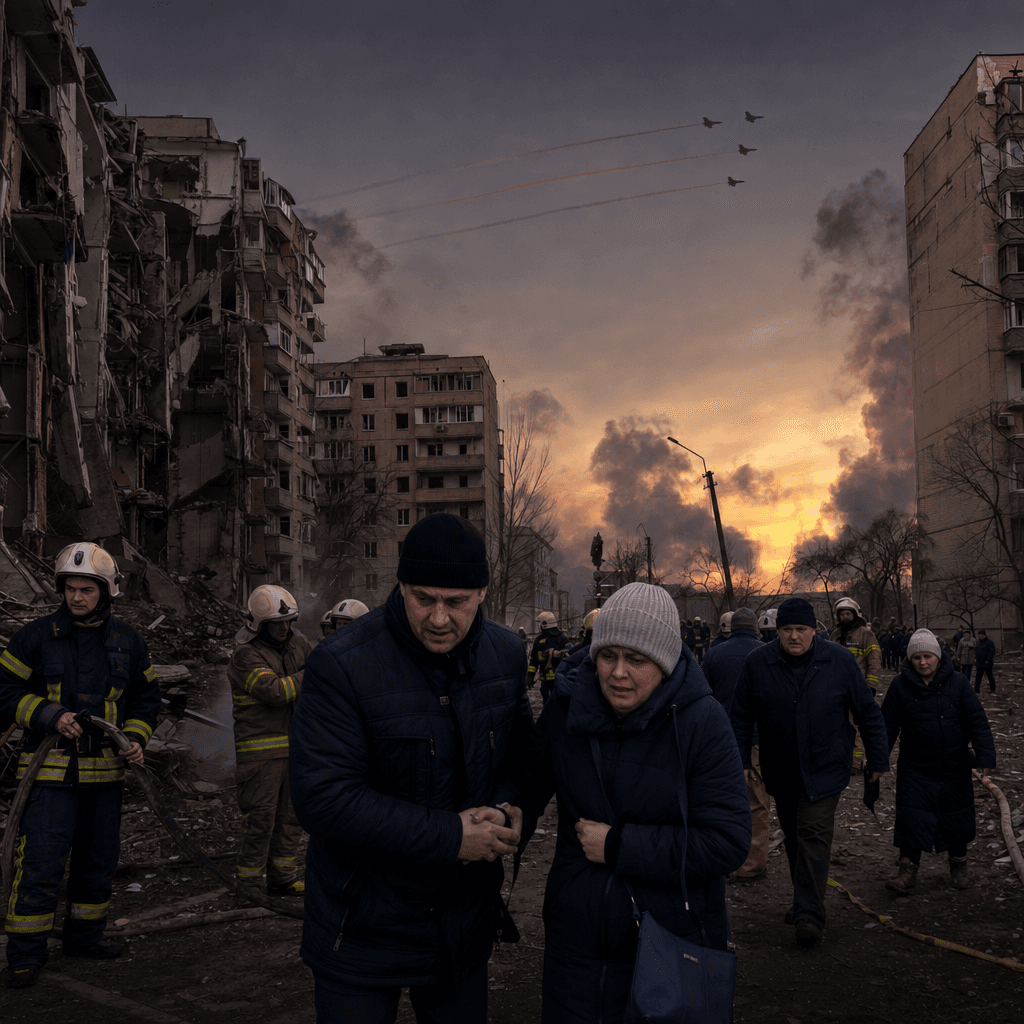
Russia’s 2026 spring-summer ground offensive has run into a wall, forcing the Kremlin to shift leverage to a punishing, retaliatory air campaign. According to analysts cited by The Guardian, Russian forces have failed to achieve meaningful breakthroughs on the front, prompting Moscow to launch hundreds of drone and missile strikes deep into Ukrainian territory. This tactical pivot is not a sign of strength, but a direct response to stagnated territorial gains and highly coordinated Ukrainian strikes on critical infrastructure inside Russia.
The Ground War Grinds to a Halt
The data from the frontlines signals a clear shift in the Conflict's momentum. Ukrainian open-source monitoring group DeepState indicates that despite a 37.5% surge in Russian infantry assaults, Moscow secured just 14 square kilometers of territory in May—its smallest monthly gain in over two and a half years. The Finnish Black Bird Group, assessing the front for
The Guardian, notes that the Kremlin’s core political objective for the year—capturing the entire Donbas region—is rapidly slipping out of reach as Western sanctions degrade Russian industrial capacity and weapon stockpiles.
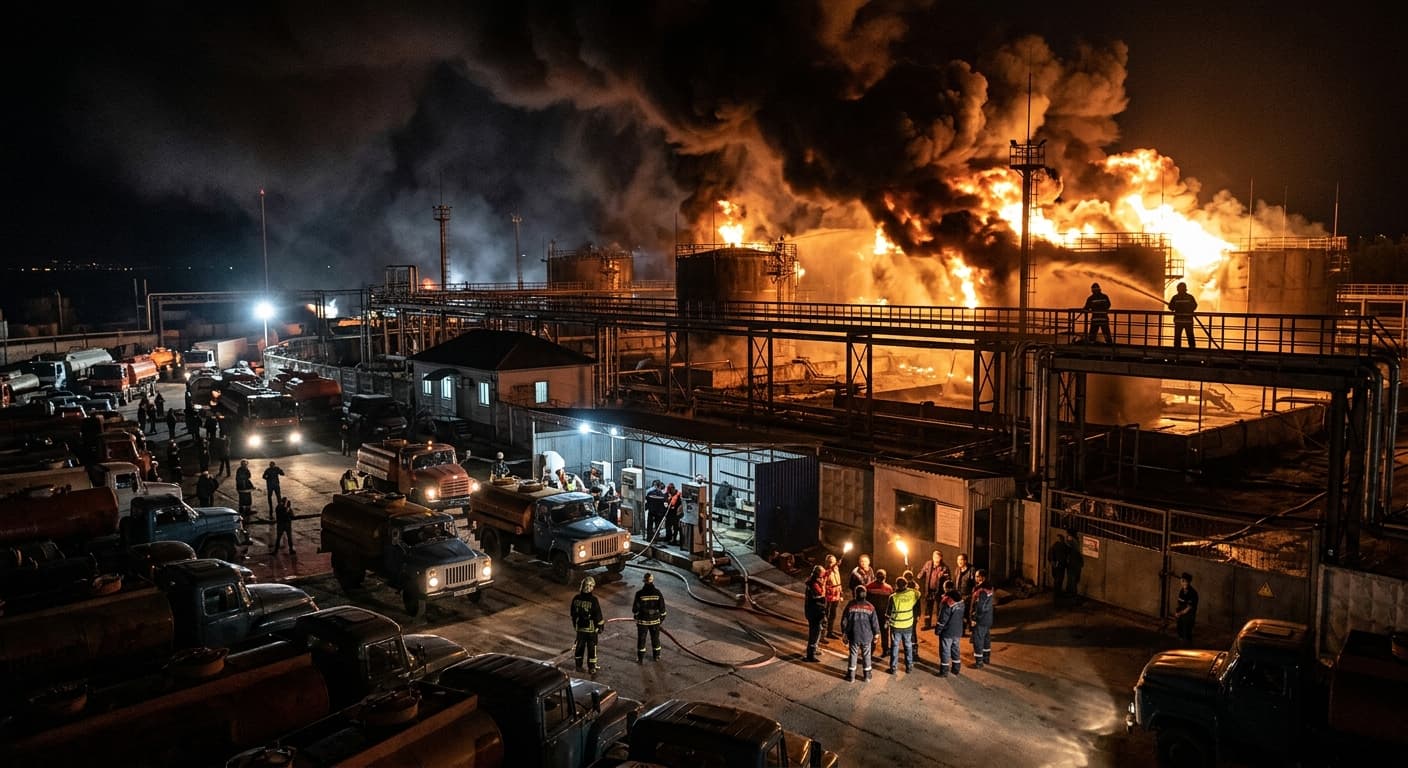
Faced with a frozen frontline, Russian President Vladimir Putin is relying on sheer volume to overwhelm Ukrainian air defenses. A massive overnight bombardment saw Moscow launch 656 drones and 73 missiles targeting key energy and military infrastructure in cities like Kyiv and Zaporizhzhia, as reported by Al Jazeera. This air offensive serves to signal domestic strength while attempting to degrade Ukraine’s defense industry, but it highlights Moscow's inability to win ground territory.
Operation Spider's Web and Ukraine’s Deep Reach
Russia’s air pivot has itself been heavily compromised by Kyiv's increasingly ambitious long-range strike campaigns. Recently, Ukrainian intelligence executed "Operation Spider's Web," a massive drone offensive that targeted multiple Russian strategic airbases, including Olenya, Ivanovo, Dyagilevo, and Belaya. As analyzed by the BBC, the attack reportedly damaged or destroyed up to 41 Russian military aircraft, including critical A-50 airborne warning and control (AWACS) planes that Russia cannot easily replace.
This demonstrates that Ukraine has neutralized Russia’s domestic sanctuary, forcing Moscow to pull back its strategic bombers and think twice about the security of its air assets. Concurrently, Ukrainian drone strikes on St. Petersburg and Russian oil terminals have chipped away at the Kremlin's vital oil revenues. In response to these asymmetric strikes, Kremlin spokesperson Dmitry Peskov told Russian news agency RIA Novosti, as reported by Al Jazeera, that Russia's military response to deep strikes will remain "systemic" in nature—a euphemism for the continued bombardment of Ukrainian civilian areas.
What to Watch Next
The combination of ground exhaustion on both sides and escalating long-range warfare is shifting political dynamics behind the scenes. European diplomats look at the military stalemate as a potential catalyst for a pause. An analysis in Foreign Affairs suggests that Russia's depleting combat power and vulnerability to economic strikes could make a ceasefire realistic, provided Ukraine's partners maintain systemic pressure.
In the near term, look closely at European-led diplomatic signaling over the summer months. European officials from Germany, France, and the UK have quietly begun assessing paths to engage Moscow in negotiations. The key indicator of success will be whether Europe can provide Kyiv with the air defense systems needed to survive the ongoing air campaign, while maintaining the economic squeeze that is slowly altering the Kremlin’s long-term cost-benefit calculus.
Discover more
Global
Kyiv's Empty Quiver: Ankara Summit on NATO
As Russia strikes Kyiv, NATO's Ankara summit must address Ukraine's urgent air defense needs amid dwindling interceptor supplies.
India
Russia's Balancing Act with India and China
Russia's deepening dependence on China is straining its long-standing strategic partnership with India, exposing the limits of Moscow's balancing act in Asia.
Conflict & Security
Russia Encircles Konstantinovka—Key to Donbas
Russia's encirclement of Konstantinovka could unlock the wider Donbas for further advances, marking a pivotal moment in its grinding eastern offensive.
Conflict & Security
Ukraine's Energy Offensive Hits Crimea
Ukraine's drone campaign is disrupting Russian fuel supplies and forcing rationing in Crimea, turning energy infrastructure into a key front of the war.