Zimbabwe’s Malaria Surge Exposes Aid Cuts
US funding cuts and climate worsen malaria crisis.
Model Diplomat3 min readAfrica
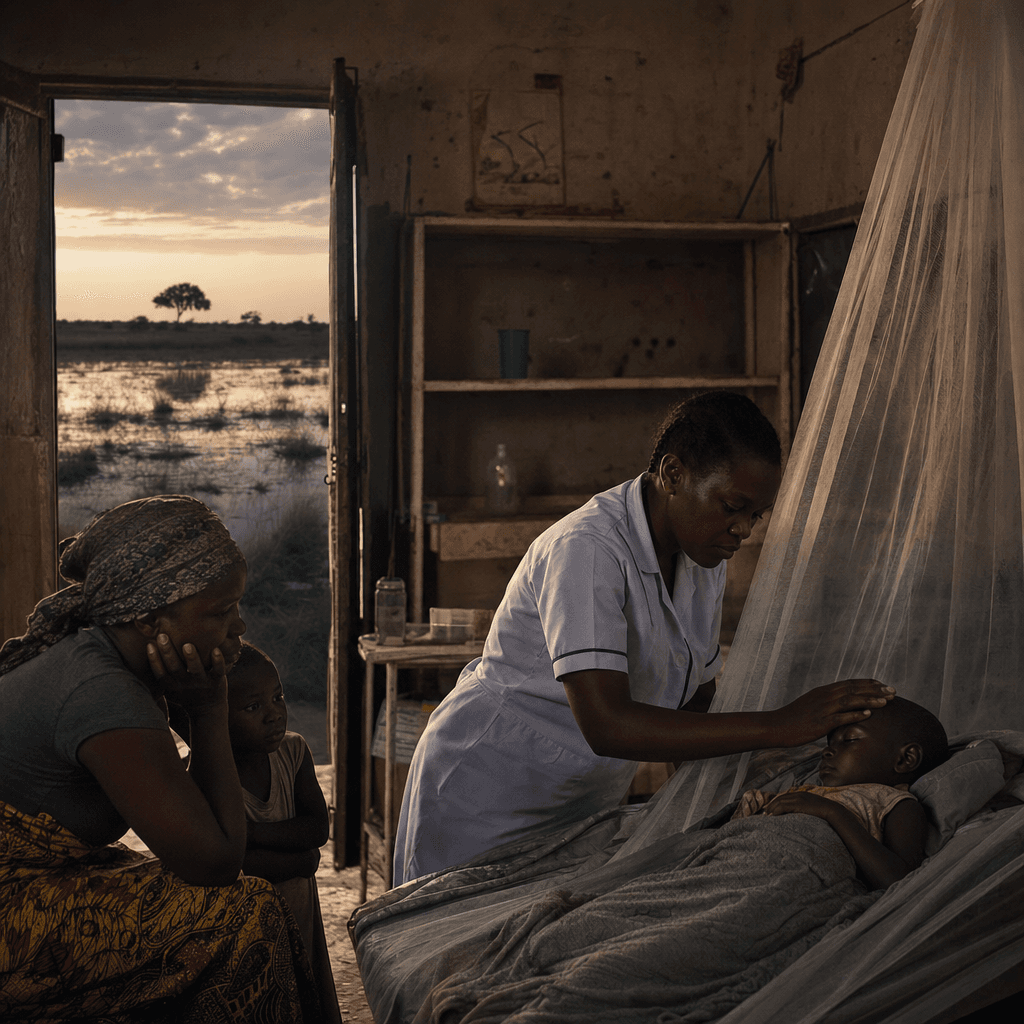
Zimbabwe’s Malaria Surge Exposes the Cost of Aid Cuts
US funding cuts and heavier rains have reversed Zimbabwe’s malaria gains, pushing cases and deaths sharply higher and exposing a fragile health system.
Zimbabwe’s malaria fight has been knocked off course by a double shock: the US aid cut that gutted prevention and surveillance, and climate conditions that widened mosquito breeding grounds. By mid-April 2026, the country had logged more than 65,000 malaria cases and 174 deaths, nearly double the same period in 2025 and far above 2024 levels, according to Newsday Zimbabwe and
CITEZW.
Al Jazeera reports that the US cuts disrupted key programmes, including ZENTO and ZAPIM II, which had underpinned diagnosis, treatment, mosquito surveillance and net distribution.
Washington still has leverage — and Zimbabwe is paying for it
The power dynamic is straightforward. Washington’s funding decisions did not just reduce humanitarian support; they removed the operational spine of Zimbabwe’s malaria control system. Al Jazeera says the cuts hit research, prevention and treatment programmes across TB, HIV/AIDS and malaria, while
Newsday Zimbabwe says the shutdown of ZAPIM — once the country’s largest malaria initiative — left shortages of insecticide-treated nets, slower vector control and weaker surveillance.
That matters because malaria elimination is not won by one-off campaigns. It is won by steady, low-visibility work: testing, net replacement, indoor residual spraying, case tracking and local response. When those systems pause, transmission rebounds fast. Save the Children’s Zimbabwe country director, Bhekimpilo Khanye, told CITEZW that cutting elimination programmes produces a “complete reversal” because parasite levels rise again in vulnerable communities.
Climate change did not cause this alone — it amplified a broken response
Zimbabwe was not starting from zero. Newsday Zimbabwe says the country cut malaria cases by 76.6% between 2023 and 2024, and by 2023 more than one-fifth of the population lived in malaria-free areas. That progress made the setback more politically damaging: it shows how quickly gains can unravel when donor money and technical capacity disappear.
Climate shocks made the rebound worse. Al Jazeera reports that rising temperatures are pushing malaria into higher-altitude areas, while the 2025–26 rains created ideal mosquito breeding conditions, especially in Mashonaland Central, Manicaland, Mashonaland East and Mashonaland West. In other words, climate did not replace the aid cut as a cause; it multiplied the damage after the system had already been weakened.
For Global Politics, this is the sharper lesson: donor dependence now carries a rising security cost in public health. When a major bilateral donor changes course, health outcomes can move almost immediately. Zimbabwe’s experience will be watched across southern Africa by governments trying to preserve malaria gains without assuming Washington will keep paying the bill.
What to watch next
The next decision point is whether Harare can restore funding for nets, spraying and surveillance before the rainy-season cycle locks in more infections. Watch for any domestic budget shift, emergency support from other donors, and whether the Ministry of Health’s case numbers keep rising into the dry season. If they do, Zimbabwe will not just lose a malaria battle; it will become a warning case for the post-aid future of disease control.
Discover more

US Politics
SNAP Food Assistance Faces Legal Challenges
In 2026, SNAP faces stricter eligibility rules and mounting legal challenges, threatening food assistance for the millions of Americans who rely on the program.

International Relations
Pakistan's Key Role in US-Israel-Iran Meddle
Pakistan is seeking to mediate the US-Israel-Iran conflict, balancing high-stakes diplomacy against severe economic pressures and steep regional challenges.

Conflict & Security
Drone Warfare Killing Aid Workers at Unprec
Over 1,000 humanitarian workers killed in three years as cheap armed drones collapse legal protections. Gaza, Sudan, Ukraine, and DRC see deliberate targeting of aid convoys and hospitals with zero prosecutions.

Global
World Normalises Taliban as Afghan Women Eras
UN data shows Afghan women erased from public life as Russia recognises the Taliban, EU hosts officials in Brussels, and ICC warrants for gender persecution go unenforced.