Zelenskyy Pushes for EU Membership Amid Veto
Ukraine pushes for immediate EU accession talks with leaders.
Model Diplomat3 min readEurope
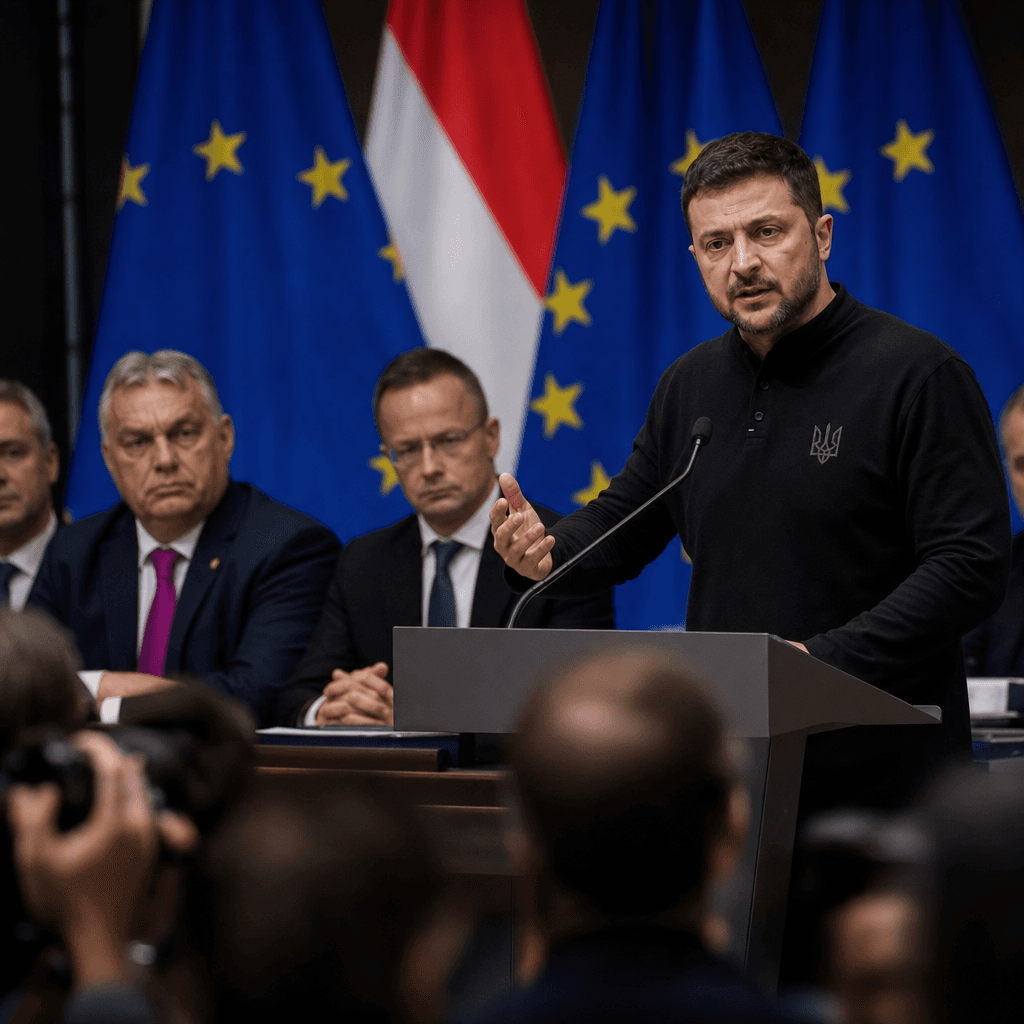
Zelenskyy Presses EU Bid as Hungary’s Veto Erodes
Kyiv wants accession talks opened now, betting EU membership will harden Europe’s stake in Ukraine and narrow Moscow’s options.
Ukraine is pushing to start the next phase of EU accession immediately, with Volodymyr Zelenskyy telling European leaders that “the time is right” and rejecting any watered-down “associate membership” model as “unfair,” according to Al Jazeera. The move is not about symbolism. It is about leverage: Kyiv wants a formal, irreversible track into the bloc while it is still fighting Russia, and before any future ceasefire settlement can freeze Ukraine into a gray zone.
Kyiv wants a seat, not a waiting room
Zelenskyy’s argument is straightforward. A half-step status would leave Ukraine “voiceless” because it would bring no vote and no real influence over the decisions that will shape its security and reconstruction, Al Jazeera reported. That is why Kyiv is insisting on the normal accession process, not an interim formula.
This matters because Ukraine sees EU membership as part of its postwar security architecture, especially with NATO membership still blocked. France 24 reported that Germany’s Friedrich Merz has floated an “associate member” status that would let Ukraine attend EU institutions without voting rights and receive some budget access. But Ukrainian officials are resisting anything that looks like a permanent antechamber. In diplomatic terms, they are trying to prevent Europe from turning “support for Ukraine” into “membership later.”
Budapest is weaker, but the veto is not dead
The immediate obstacle has been Hungary. Under Viktor Orbán, Budapest repeatedly blocked Ukraine’s accession path and tied up EU aid, Al Jazeera noted. But the politics in Budapest have shifted.
POLITICO reported that Hungary’s new leadership is now in talks with Kyiv on Hungarian minority rights in Ukraine, opening the possibility of unblocking the first negotiation cluster at an EU ministers’ meeting as soon as May 26, with the next major test at the June 18-19 summit.
That is the real opening for Kyiv: not a promise of fast membership, but a chance to break the procedural paralysis. If Brussels can start the first cluster, Ukraine gains momentum, and Hungary loses its old power to freeze the process entirely. For Moscow, that is unwelcome. A Ukraine on a credible EU track is harder to pressure into concessions because the West’s commitment becomes institutional, not just rhetorical.
What Merz’s idea reveals
Merz’s associate-membership proposal is best read as an attempt to solve a European problem, not a Ukrainian one. EU capitals want to keep Ukraine anchored to Europe without pretending full membership is imminent. DW said Merz frames the idea as a political bridge that could survive the war and later feed into full accession, with a snap-back clause if Kyiv backslides on reforms.
But that is exactly why Ukraine is wary. A bridge can become a bottleneck. Kyiv wants the legal and political path to remain one-way: candidate status, negotiation clusters, accession treaty. Anything else risks creating a second-class relationship that is hard to unwind.
What to watch next
The immediate decision point is the EU ministers’ meeting on May 26, followed by the leaders’ summit on June 18-19. If Hungary stops blocking the first cluster, Ukraine’s accession bid moves from rhetoric to process. If not, Europe will keep debating interim formulas while Kyiv keeps insisting on the real thing. For now, Europe is being asked to choose between speed and standards — and Ukraine wants both.
Discover more
India
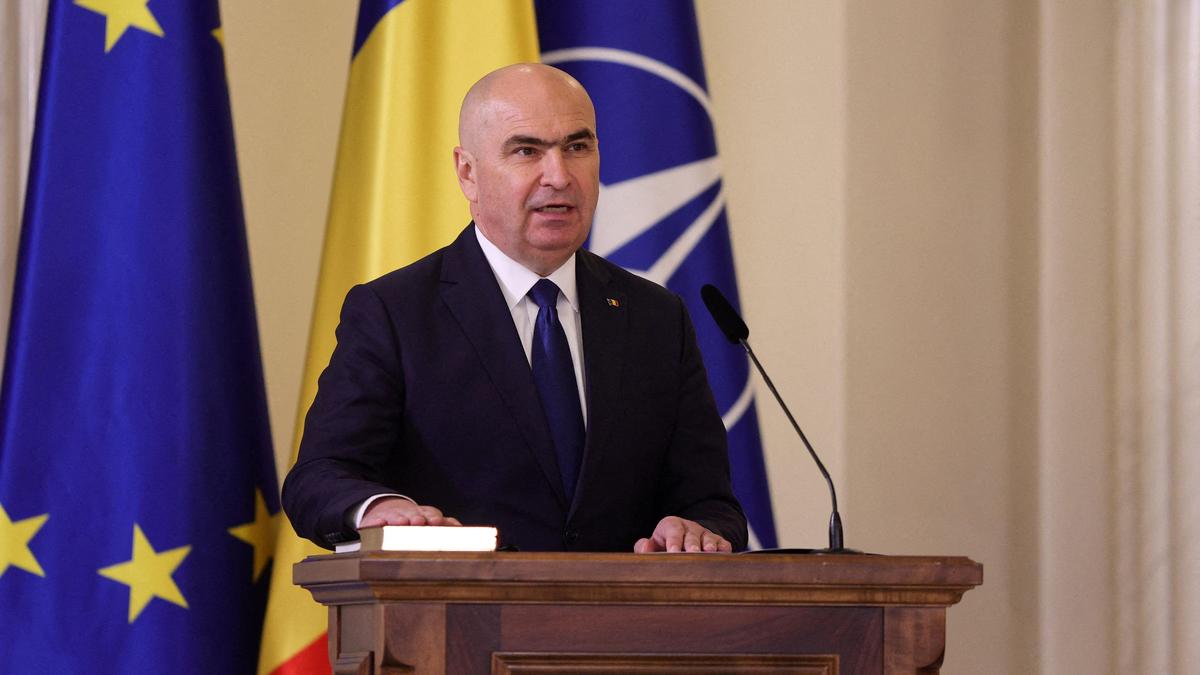
Romanian Coalition Party Demands PM Resign
Romania's Social Democrats withdrew from coalition, joining far-right AUR to topple PM Bolojan, risking €10 billion in EU funds by August 2026.

Conflict & Security
Drone Warfare Killing Aid Workers at Unprec
Over 1,000 humanitarian workers killed in three years as cheap armed drones collapse legal protections. Gaza, Sudan, Ukraine, and DRC see deliberate targeting of aid convoys and hospitals with zero prosecutions.

Global
World Normalises Taliban as Afghan Women Eras
UN data shows Afghan women erased from public life as Russia recognises the Taliban, EU hosts officials in Brussels, and ICC warrants for gender persecution go unenforced.
Conflict & Security
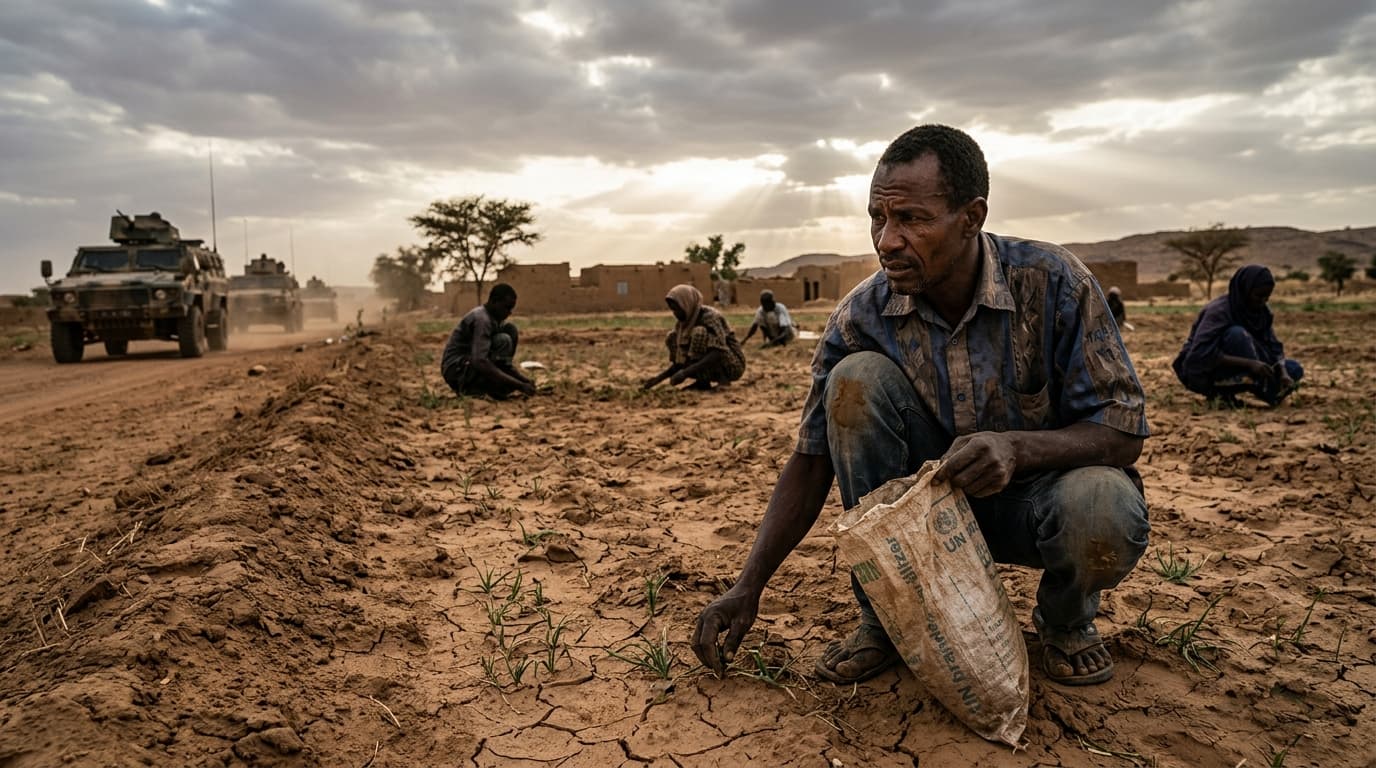
West Africa Food Crisis: Three Shocks in 2026
Conflict, climate extremes, and the Strait of Hormuz closure drive a severe food crisis in West and Central Africa, with fertilizer prices surging 80% and millions displaced.