Yogi Adityanath's Women’s Reservation Tactics
A political maneuver framing the Opposition as anti-women
Model Diplomat2 min readAsia
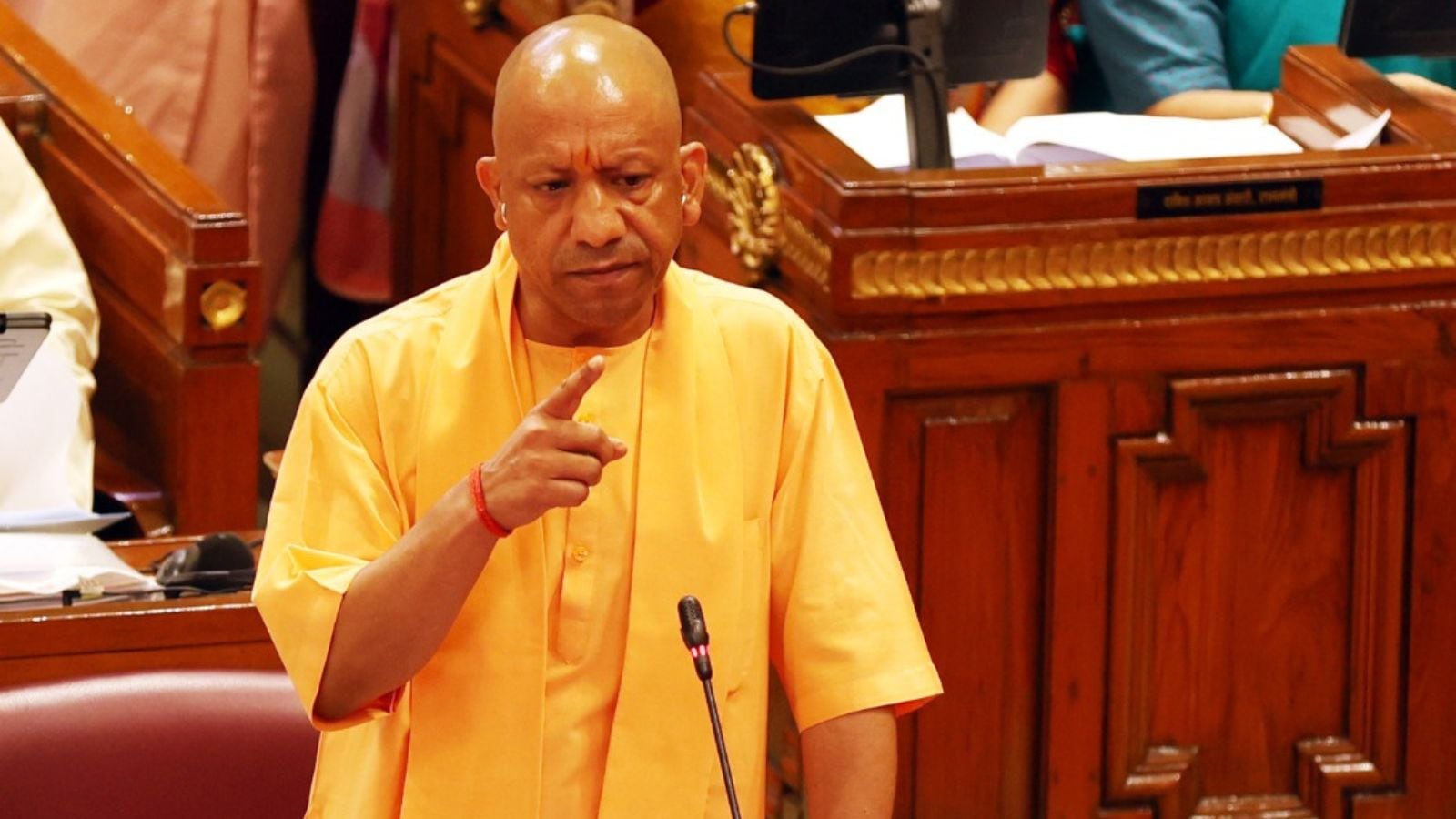
Yogi Turns Women’s Reservation Into a UP Power Play
Lucknow’s special session let Yogi Adityanath frame the Opposition as anti-women, but the real fight is over who owns the implementation timeline.
Chief Minister Yogi Adityanath used Thursday’s Uttar Pradesh Assembly session to do more than debate women’s reservation. He recast the issue as a political test for the Samajwadi Party and Congress, challenging them to join a five-hour discussion on women’s empowerment and explain why they opposed the Nari Shakti Vandan Adhiniyam, according to The Indian Express and
The New Indian Express.
Why the BJP chose this fight
The BJP’s advantage is simple: it controls the state government, the Assembly calendar, and the narrative. By tabling a resolution under Rule 103 and pushing a debate on “hurdles” to women’s reservation, Yogi turned a national legislative dispute into a local morality play, with the Opposition cast as the obstacle. The Assembly Speaker admitted the motion and overruled objections from Leader of Opposition Mata Prasad Pandey, who argued that women’s reservation is a Parliament matter, not a state one, The Indian Express.
That framing serves two purposes. First, it lets the BJP claim it is the party pushing women’s political representation while the INDIA bloc delays it. Second, it gives Yogi a clean line of attack against the Samajwadi Party ahead of the 2027 Uttar Pradesh election cycle: if the Opposition resists the motion, it looks defensive; if it supports it, it weakens its own claim that the BJP is the one stalling implementation.
Why the Opposition is pushing back
The Opposition’s leverage is procedural, not rhetorical. SP lawmakers said the real issue is not women’s empowerment but the fine print of the Constitution 131st Amendment Bill: delimitation, implementation, and whether the state is misleading voters about what can happen now versus later. The Indian Express reported that the SP argued the bill is tied to delimitation, while
Free Press Journal noted the opposition’s complaint that notification of the 2023 bill was delayed until 2026.
That matters because it shifts the argument from symbolism to statecraft. The BJP can claim the moral high ground only as long as it avoids the implementation question. The SP and Congress are betting that many voters will notice the gap: a resolution in Lucknow does not put women into Parliament or the Assembly unless the Center resolves the delimitation and census timetable.
What to watch next
The immediate question is whether this becomes a one-day messaging win or a durable campaign theme. The Indian Express said the resolution was passed by voice vote as Opposition members protested, which gives the BJP a usable headline. The next decision point is whether Yogi and the BJP extend this into a broader pre-2027 campaign on women’s empowerment, or whether the Opposition successfully drags the debate back to implementation mechanics and the delayed census-delimitation process.
For a wider read on how states convert national identity fights into local advantage, see India and
Global Politics.
Discover more
India
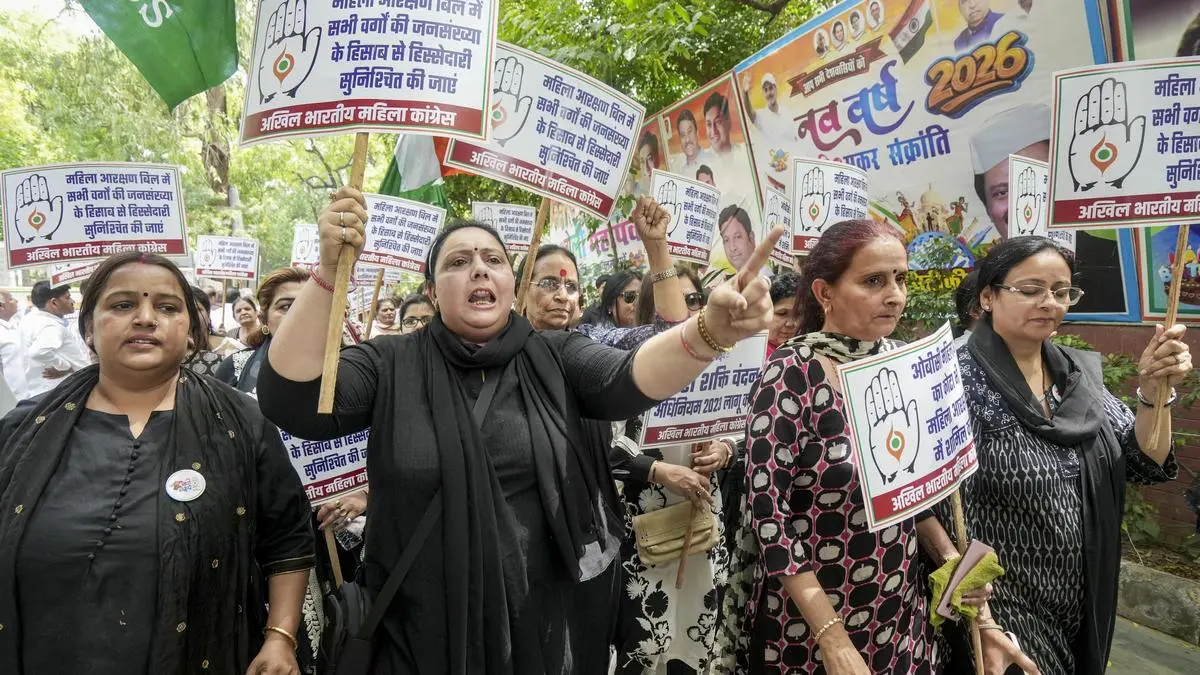
BJP's Misunderstanding of Women's Quota Needs
The BJP's linkage of the Women Reservation Bill to delimitation risks delaying women's empowerment in India, misreading their political needs.
India
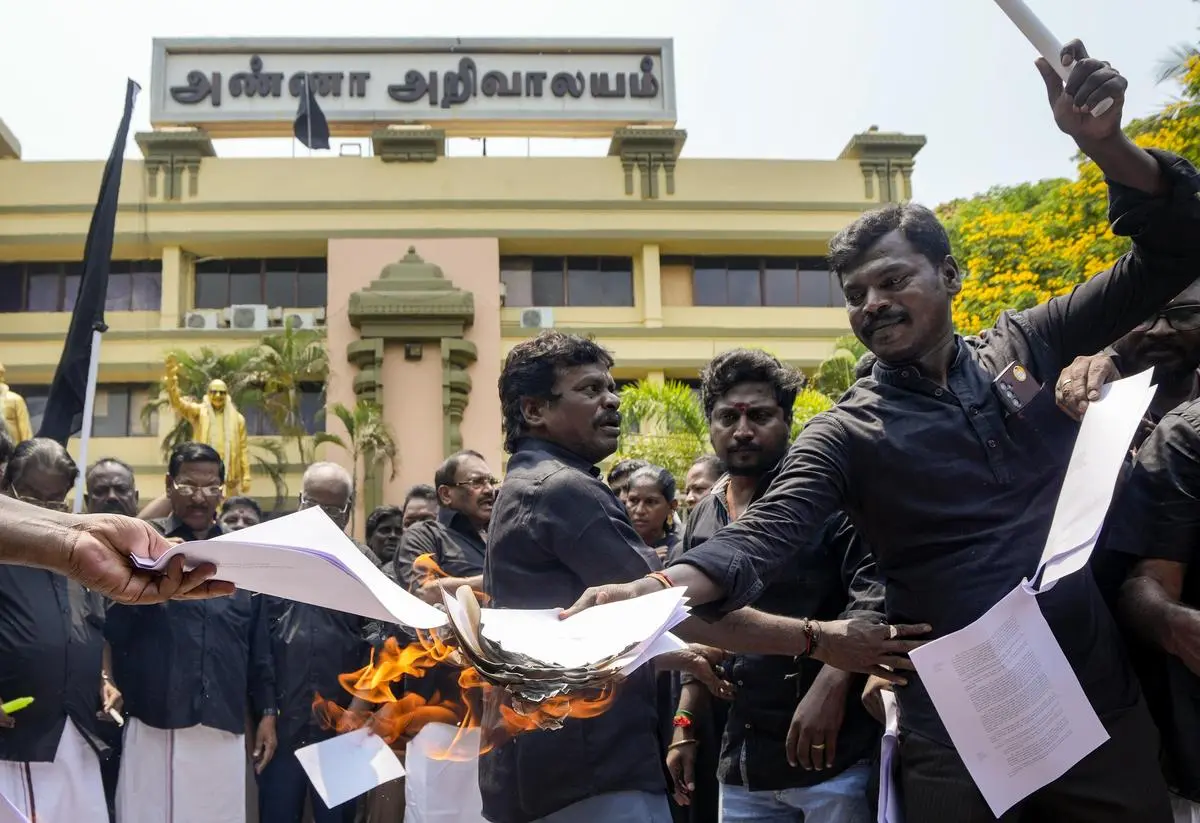
Women’s Reservation Bill 2026
The Women’s Reservation Bill's defeat reveals a deeper battle over delimitation, impacting India's electoral landscape and gender representation.
India
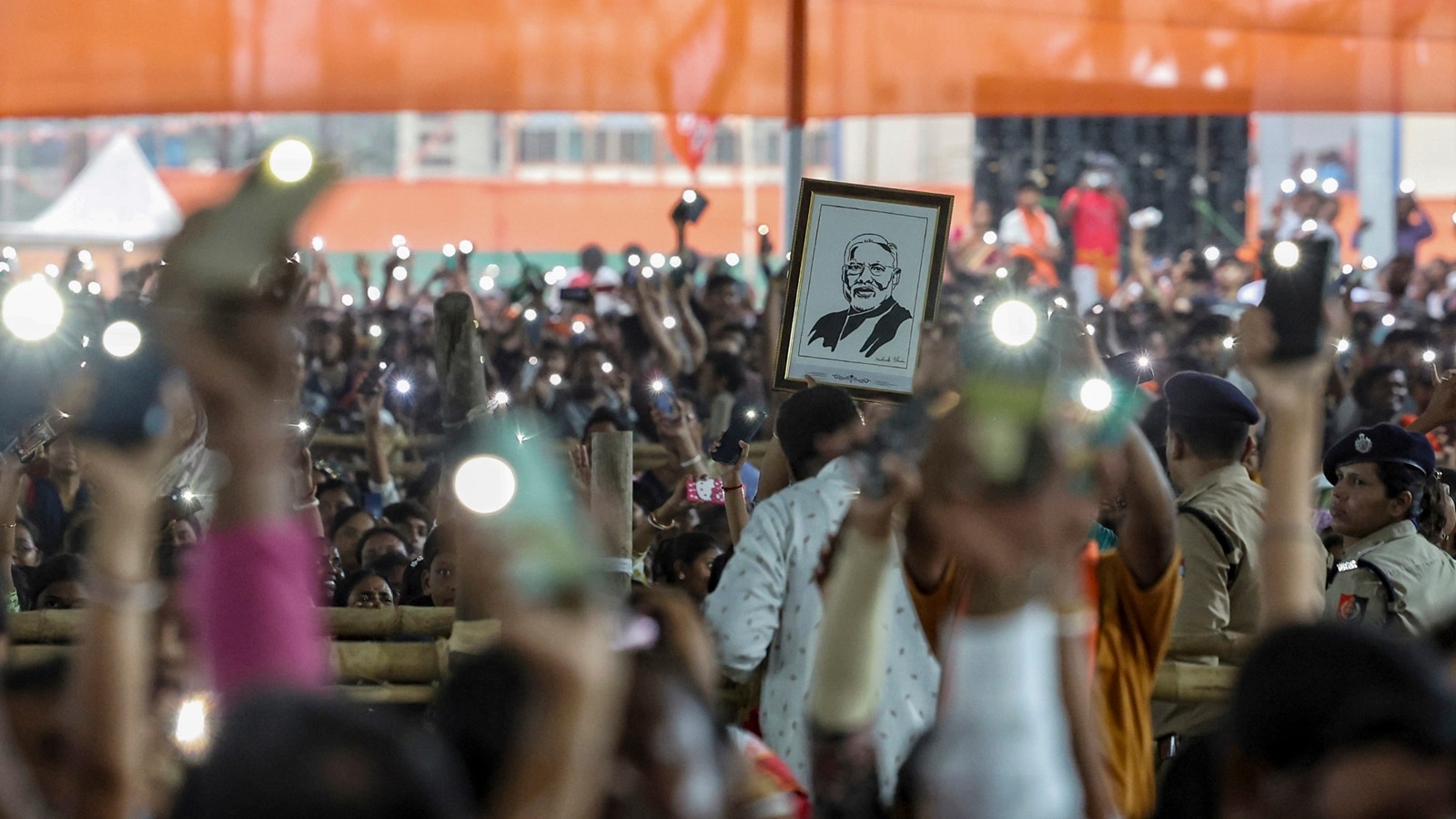
Modi's Women’s Convention in Varanasi
PM Modi's upcoming women’s convention in Varanasi aims to boost support ahead of West Bengal elections, highlighting women's empowerment initiatives.
Global Politics
Iran Releases $12B Frozen Assets Deal
Iran secures $12 billion in frozen assets as US lifts oil sanctions under new deal.