Naidu's Welfare Strategy in Andhra Pradesh
Andhra Pradesh’s CM redefines welfare metrics for citizens.
Model Diplomat3 min readAsia
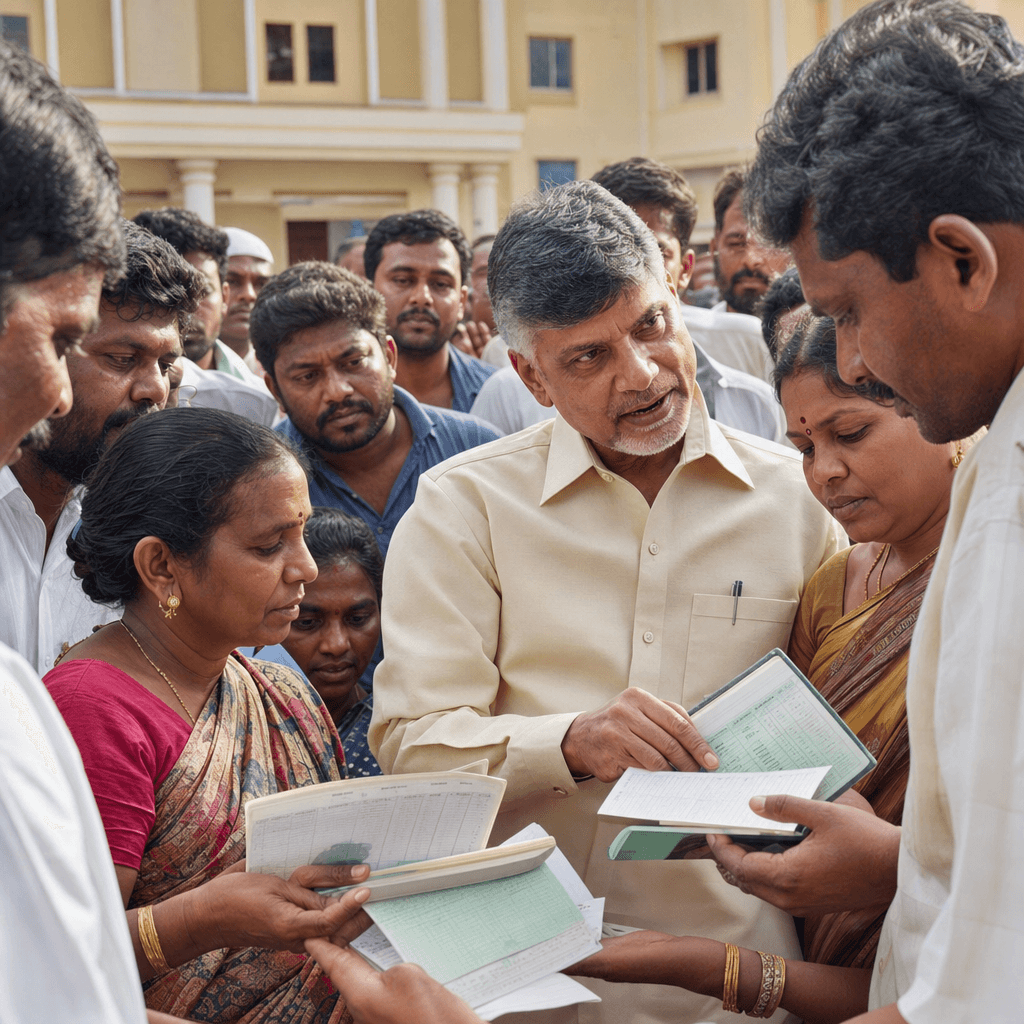
Naidu Turns Welfare Into a Savings Test in Andhra Pradesh
Andhra Pradesh’s chief minister is recasting welfare as household relief, using grievance days, faster files and land reform to show results.
Andhra Pradesh Chief Minister N. Chandrababu Naidu is trying to change the political metric of welfare: not how much money the government announces, but whether citizens feel visible savings in education, healthcare, housing and electricity, according to The Hindu. That is a useful signal of where his government wants the political fight to be — on efficiency, not subsidy size. Naidu told district collectors that performance will now be judged by economic relief reaching households, and he paired that message with a new weekly “Field Grievance Day” in Assembly constituencies and a Praja Darbar-style complaint mechanism,
The Hindu.
What Naidu is really doing
This is more than administrative housekeeping. Naidu is building a governance narrative around measurable service delivery at a time when Andhra Pradesh is under fiscal strain. On Thursday, he said the coalition government inherited debts of ₹9.74 lakh crore, pending bills of ₹1.30 lakh crore and a diversion of ₹10,000 crore from 94 centrally sponsored schemes, while still promising welfare, infrastructure and growth, The Hindu. In that frame, “savings” is not just a slogan; it is how he justifies tightening administration while preserving political support through welfare.
The political logic is straightforward. If the state can show that better schools reduce private tuition costs, stronger public health facilities cut household medical bills, and improved power pricing lowers monthly expenditure, Naidu can claim welfare is paying twice: once through schemes, and again through lower out-of-pocket spending. That is the model he is pushing, and it aligns with his broader message that “results should move,” not files, The Hindu. For a wider read on India’s state-level governance competition, see
India.
Who gains, who loses
The immediate winners are Naidu’s political brand and the bureaucracy he can now discipline through performance reviews. Deccan Chronicle reported that he wants collectors to treat public satisfaction as the core metric, with performance ratings for ministers and district officials and a target of more than 90% satisfaction in services. That gives the chief minister a public lever over the administration and a way to compare districts against one another.
The losers are officials who relied on passive file movement and slow grievance handling. Naidu’s order to clear e-files within 24 hours, reported separately by The Hindu, shows he is using technology as a control mechanism, not just a modernization tool. The subtext is clear: if services do not improve, the blame will sit squarely with the district machinery.
What to watch next
The key test is whether the state can turn this into visible outcomes before the next political cycle. Watch three things: whether Friday grievance meetings actually reduce complaint backlogs, whether the promised housing and land reforms produce tangible savings for households, and whether the 24-hour e-file target becomes routine or remains a one-off push, The Hindu. If Naidu can make welfare feel cheaper at the household level, he strengthens both administrative authority and electoral credibility. If not, this becomes another audit-heavy reform with limited political return.
Discover more

India
Modi's Women’s Convention in Varanasi
PM Modi's upcoming women’s convention in Varanasi aims to boost support ahead of West Bengal elections, highlighting women's empowerment initiatives.
India
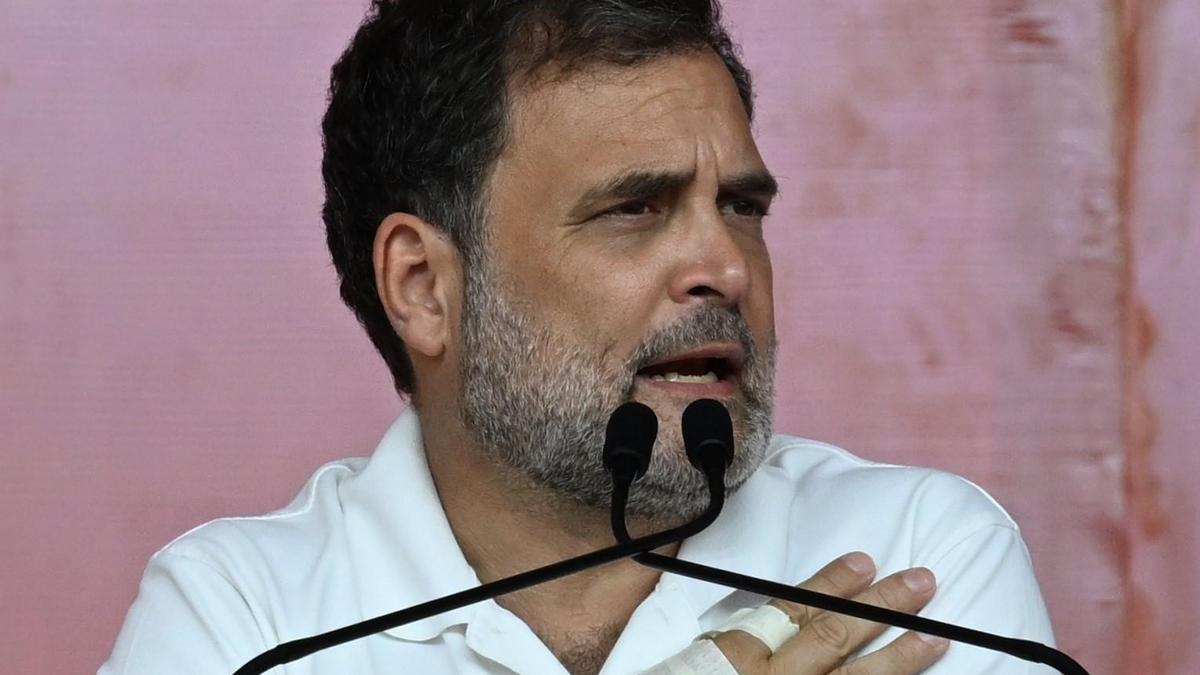
Rajnath Singh's Durga Squad for 2026 Polls
Rajnath Singh's 'Durga Squad' initiative targets women's safety ahead of Assembly Elections 2026, contrasting with Rahul Gandhi's southern campaign.
India
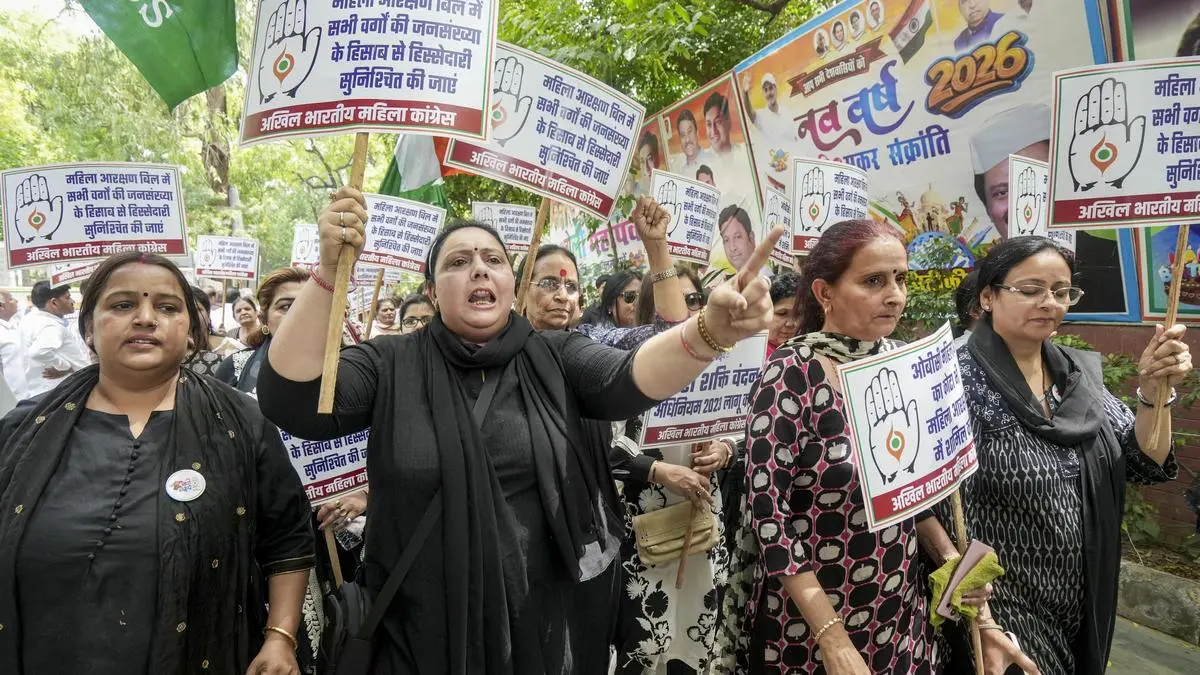
BJP's Misunderstanding of Women's Quota Needs
The BJP's linkage of the Women Reservation Bill to delimitation risks delaying women's empowerment in India, misreading their political needs.

Global Politics
Iran Releases $12B Frozen Assets Deal
Iran secures $12 billion in frozen assets as US lifts oil sanctions under new deal.