Women’s Reservation Bill
Women’s groups demand unconditional action on quota bill
Model Diplomat3 min readIndia
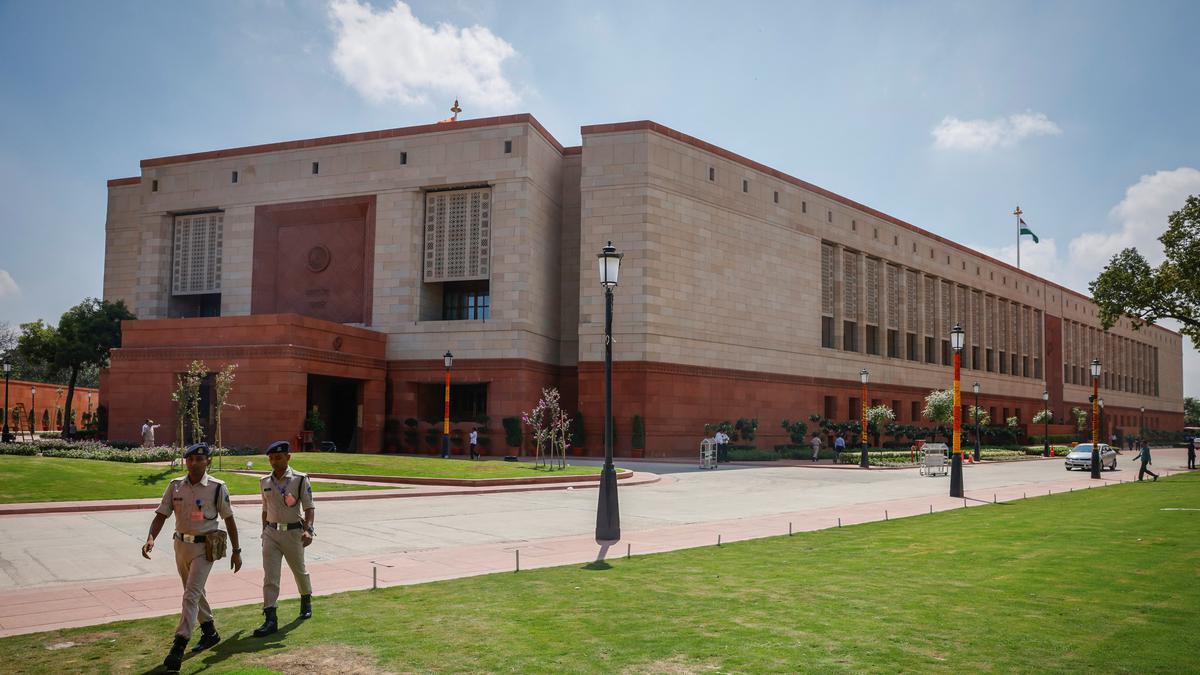
Women’s Reservation Bill: Pressure Mounts for Clear Passage in Monsoon Session
India’s women’s groups demand unconditional parliamentary action on the quota bill, rejecting political bargaining that could dilute gender justice.
A coalition of women’s organizations, the National Coalition for Women’s Reservation (NCWR), has called on the Indian government to introduce and pass the Women’s Reservation Bill during the upcoming Monsoon Session of Parliament without attaching any conditions or political compromises. The group condemned moves to link the quota proposal to other political demands, warning against using gender justice as a bargaining chip. This renewed push adds pressure on a long-stalled bill that aims to reserve 33% of seats for women in local, state, and national legislatures.
Why the Women’s Reservation Bill Matters
The Women’s Reservation Bill, pending in India’s Parliament for nearly two decades, has become a litmus test for political commitment to gender equality. It proposes reserving one-third of legislative seats for women, addressing the persistent underrepresentation—just 14% in the Lok Sabha after the 2019 elections—even as women comprise nearly half the population. The legislation gained momentum after the 2010s successful reservation in local panchayats, which significantly increased women’s political participation at the grassroots.
However, the bill has faced repeated delays and political horse-trading. Opposition parties and regional players have often demanded safeguards to ensure that quota seats benefit certain castes or communities rather than women across the board. These conditions have stalled consensus, turning the bill into a political bargaining tool, frustrating activists who see this as an exploitation of gender justice for electoral gains.
The NCWR’s demand for an unconditional debate and vote aims to cut through this deadlock. Their stance highlights the risk that continual delays and conditionalities could erode political momentum and public support. As India faces a pivotal moment with the Monsoon Session set to tackle key legislative agendas, pushing the Women’s Reservation Bill unaltered offers a chance to underscore the government’s commitment to gender parity.
Political Stakes and Wider Implications
Passing the bill is not just a gender issue; it reshapes political dynamics in India’s complex electoral landscape. For ruling and opposition parties alike, reserving legislative seats for women could alter candidate selection, party strategies, and voter bases. Some fear it will disrupt caste-based equations, while others see it as a step to modernize India’s democratic representation.
Notably, this demand emerges amid broader questions about women’s rights and representation in India, intersecting with debates on social justice, caste politics, and electoral reforms. The Monsoon Session, scheduled for late July-August, is the key window for this push, but it also has a packed agenda—from budget discussions to contentious laws—raising concerns about whether the bill will get prioritized.
Historically, bills that rewrite electoral rules in India demand wide political consensus. The NCWR’s no-conditions approach challenges parties to elevate gender justice above factional interests. Should the government relent, it could energize activists and improve India’s global standing on women’s political empowerment, which currently lags behind other democracies.
What to Watch Next
The critical test will be how parliamentary parties respond to the NCWR’s pressure and whether the government tables the bill without amendments. Watch for parliamentary debates in the Monsoon Session slated to begin July 21, 2026, and party statements in the run-up.
This moment could mirror earlier landmark reforms in India’s democratic history, such as the 1993 Panchayati Raj Act that empowered female grassroots leaders. Conversely, if the bill is deferred or diluted, it may signal entrenched resistance to systemic gender reforms ahead of the 2029 general elections.
For now, women’s groups—and India’s democratic future—are waiting to see if this long-overdue quota bill will finally receive an unconditional green light.
For more on India’s evolving political landscape and rights movements, visit India and
Global Politics.
Discover more

India
Modi's Nari Shakti Gambit
Modi's Varanasi speech redefines women's empowerment as a Nari Shakti gambit, blending appeals for women's votes with the contentious delimitation debate.
India
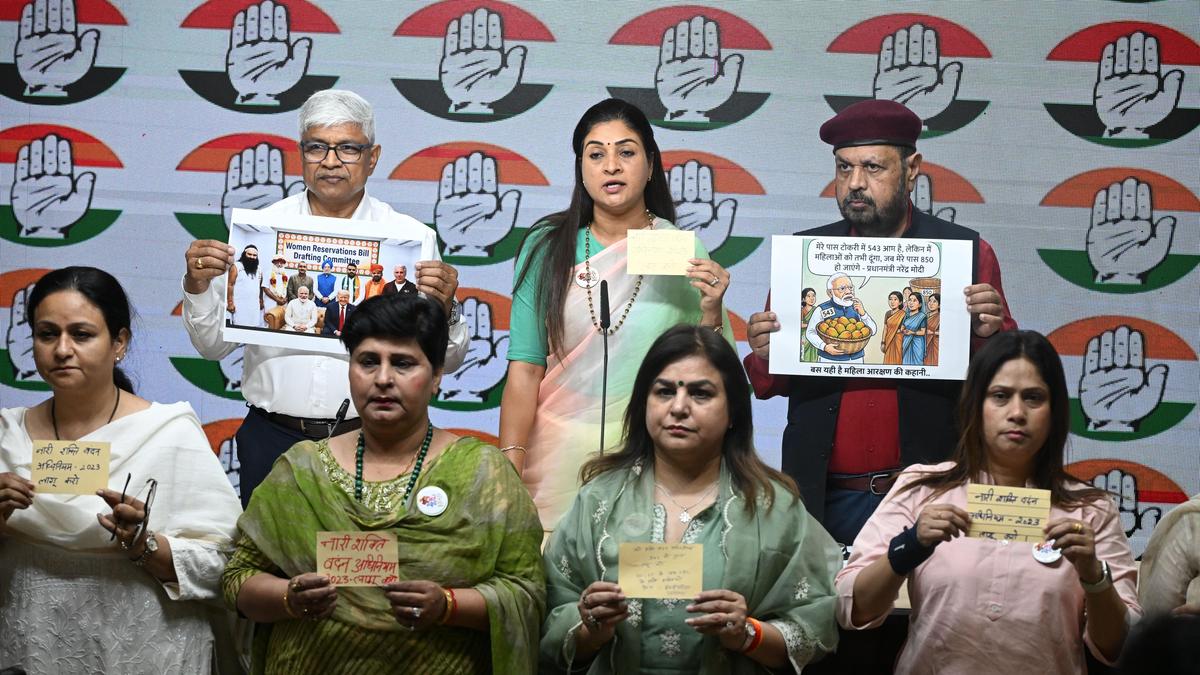
Mahila Congress Postcard Push for Women's Quo
The Mahila Congress launches a postcard campaign to demand immediate implementation of the 33% women's reservation in India's Lok Sabha, targeting PM Modi.
India
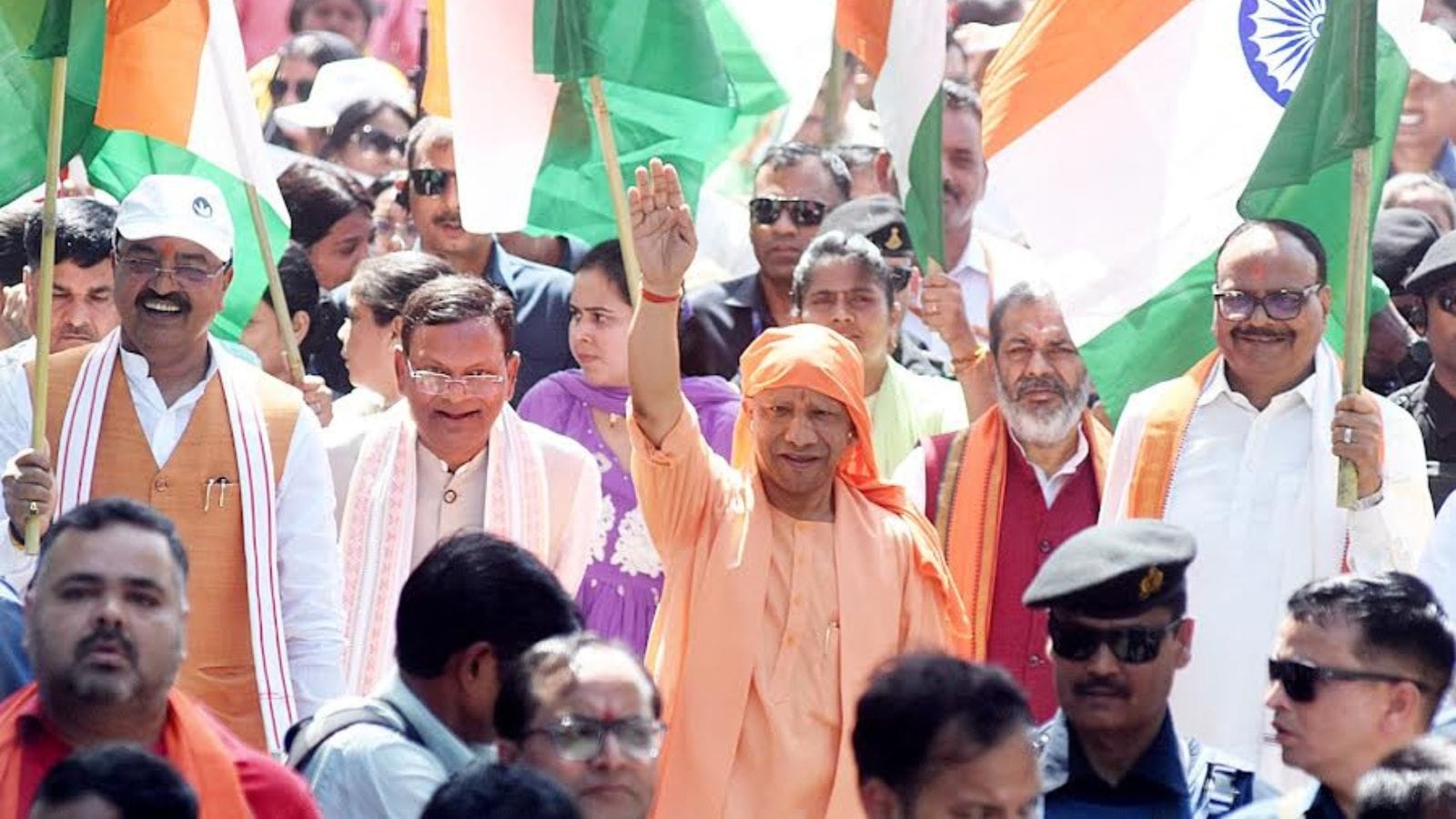
Yogi Adityanath's BJP March on Women's Bill
Yogi Adityanath's padyatra after the women's bill defeat aims to reshape UP's 2027 elections, targeting women's votes against the SP.
India
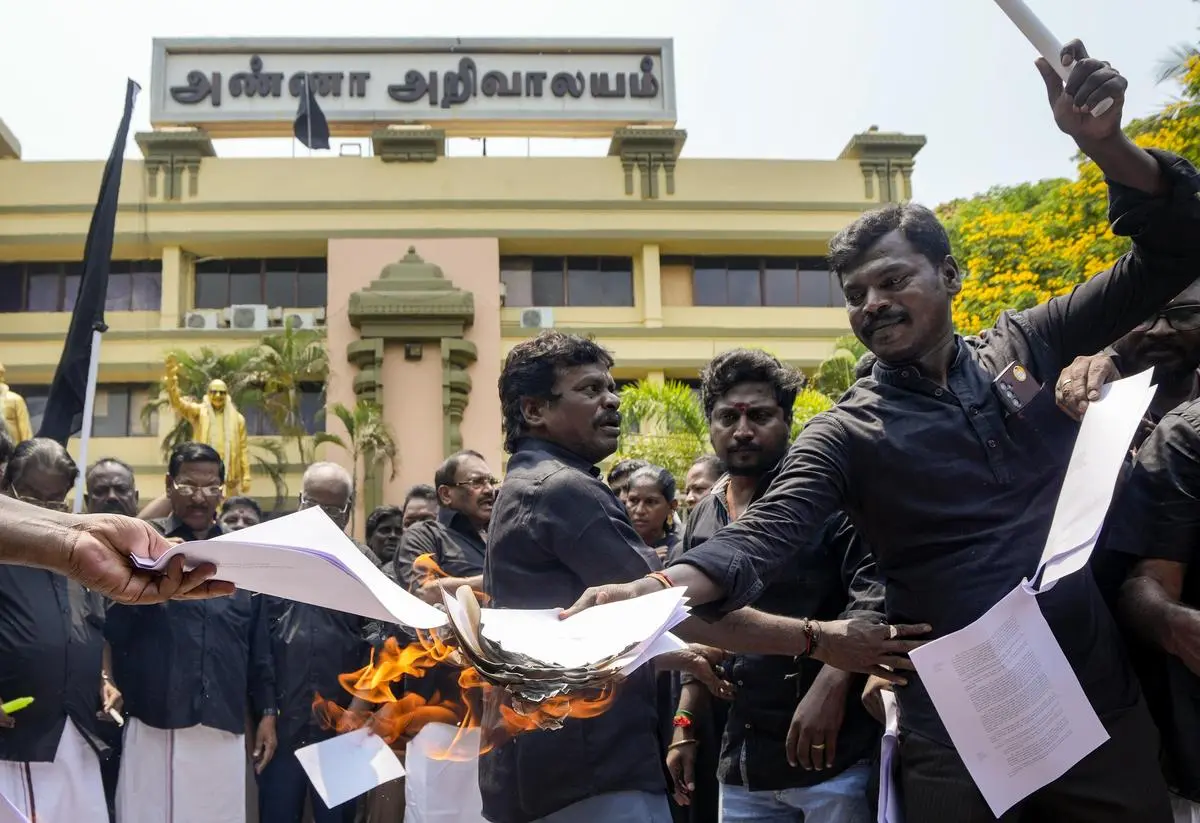
Women’s Reservation Bill 2026
The Constitution (131st Amendment) Bill, 2026 was defeated in Lok Sabha, revealing deeper political conflicts over women's reservation and delimitation.