Women Mediators Transform Maiduguri's Gang T
Women leaders in Nigeria foster peace through dialogue.
Model Diplomat2 min readAfrica
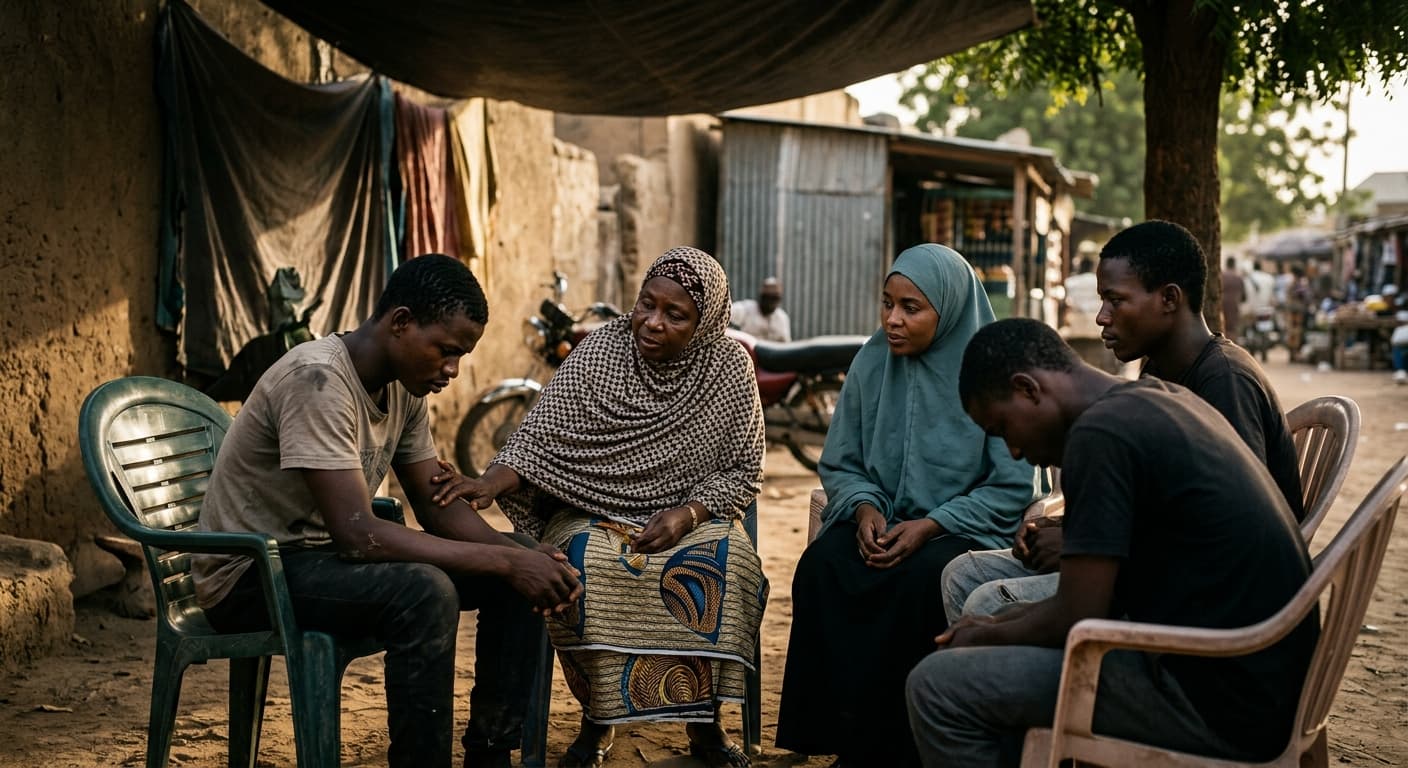
Women Mediators Edge Out Bullets in Maiduguri's Gang War
Women leaders in northeastern Nigeria are breaking gang cycles through dialogue and community trust—where military crackdowns have failed.
The shift is quiet but decisive. Instead of treating young gang members as targets to arrest, community women in Maiduguri are sitting across from them in living rooms and market stalls, asking why they fight and offering alternatives. According to Al Jazeera, the Unified Members for Women Advancement (UMWA) spent three years—2018 to 2021—holding bi-weekly dialogue sessions with gang leaders in 10 volatile communities, framing violence not as a moral failure but as a dead-end choice. The message worked. Once-feared fighters formally renounced violence, became community advocates, and now lead former rivals in weekly peace awareness programs.
What makes this approach hold power where military force plateaued: women operate in spaces, and with trust relationships, that security forces cannot.
How Women Gained Leverage
For over a decade, Boko Haram and local gang networks have ravaged Borno State. The Borno Model—a state-level reintegration program—has formalized one side of this response, processing nearly 10,000 former insurgents through vocational training since 2021, including 720 low-risk beneficiaries officially reintegrated in June 2026. But that is top-down. The women's initiative operates bottom-up.
Groups like the Ajilari Cross Development Association and Gomari Development Association trained local women to track emerging disputes before they turn lethal and to mediate between rival gangs. Fatima Tahir, a women's leader with the Gomari Development Association, placed female representatives in multiple neighborhoods to oversee gang dialogue and to relay information to state security actors. Critically, these women pass through markets, homes, and religious spaces where male authorities—soldiers, police, even community elders—cannot easily reach.
According to analysis by the Peacepace Initiative, women's informal networks in Borno and Adamawa have historically raised the first alarm before attacks, intelligence that saved lives but earned no formal credit.
The risk is immediate: these women operate without protection. They face threats, funding pressures, and systemic invisibility. The Al Jazeera report notes that dwindling donor support has left many mediators paying for meetings from their own pockets. Former gang members, meanwhile, struggle without formal reintegration frameworks—some continue to face revenge threats from old enemies.
Why This Matters Now
The Borno Model has moved the needle on raw numbers, but community-level mediation addresses what rehabilitation centers cannot: legitimacy and persistent neighborhood violence. When a woman whom both gangs know and respect brokers a truce, that agreement holds because it comes from within the community fabric, not imposed from above. The military can hold territory. Women mediators rebuild the social trust that violence destroyed.
What to watch: whether Borno State formalizes funding and protection for female mediators, and whether the model holds as reintegrated fighters face the long test of staying out of violence without economic opportunity or formal social standing. If women mediators remain volunteer labor without institutional backing, the initiative will collapse as soon as donor interest fades—and the gangs will return to fill the void.
Discover more
India
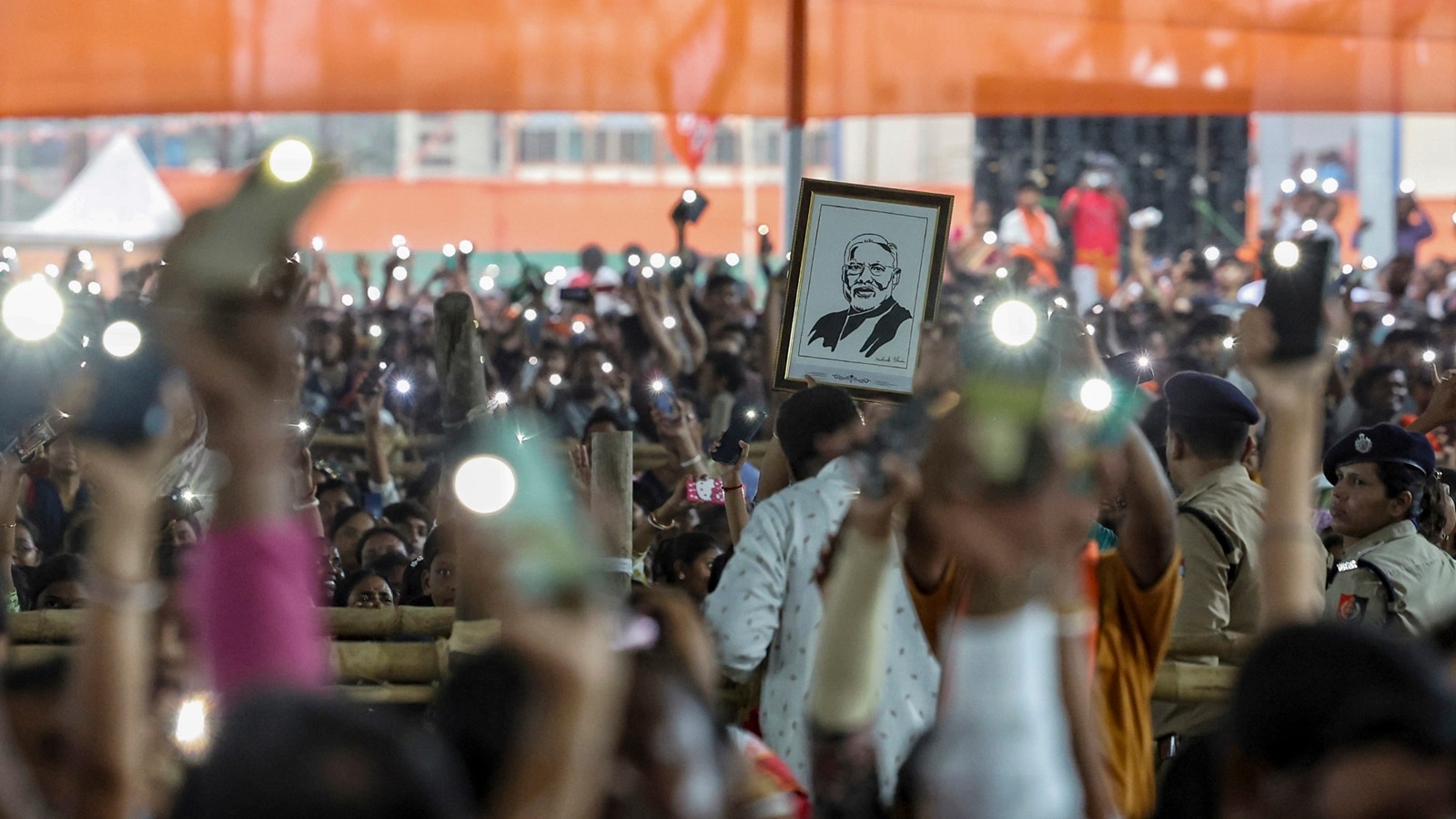
Modi's Women’s Convention in Varanasi
Modi's Varanasi rally frames women's reservation as a national mission, targeting the 2027 Uttar Pradesh elections with a strategic narrative.

International Relations
Pakistan's Key Role in US-Israel-Iran Meddle
Pakistan is seeking to mediate the US-Israel-Iran conflict, balancing high-stakes diplomacy against severe economic pressures and steep regional challenges.
India
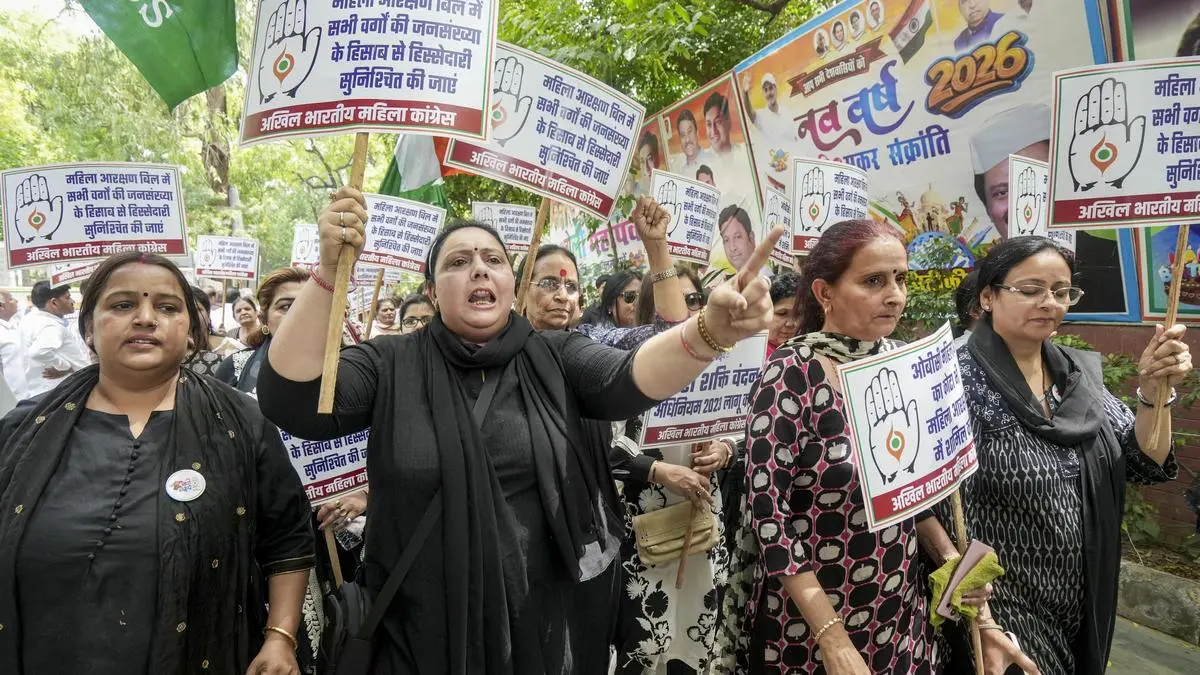
BJP's Misunderstanding of Women's Quota Needs
The BJP's linking of the Women Reservation Bill to delimitation risks delaying women's empowerment in India, misreading the aspirations of female voters.

Conflict & Security
Drone Warfare Killing Aid Workers at Unprec
Over 1,000 humanitarian workers killed in three years as cheap armed drones collapse legal protections. Gaza, Sudan, Ukraine, and DRC see deliberate targeting of aid convoys and hospitals with zero prosecutions.