Who Freed the Gwoza Captives?
Conflicting narratives on Boko Haram hostage release
Model Diplomat3 min readAfrica
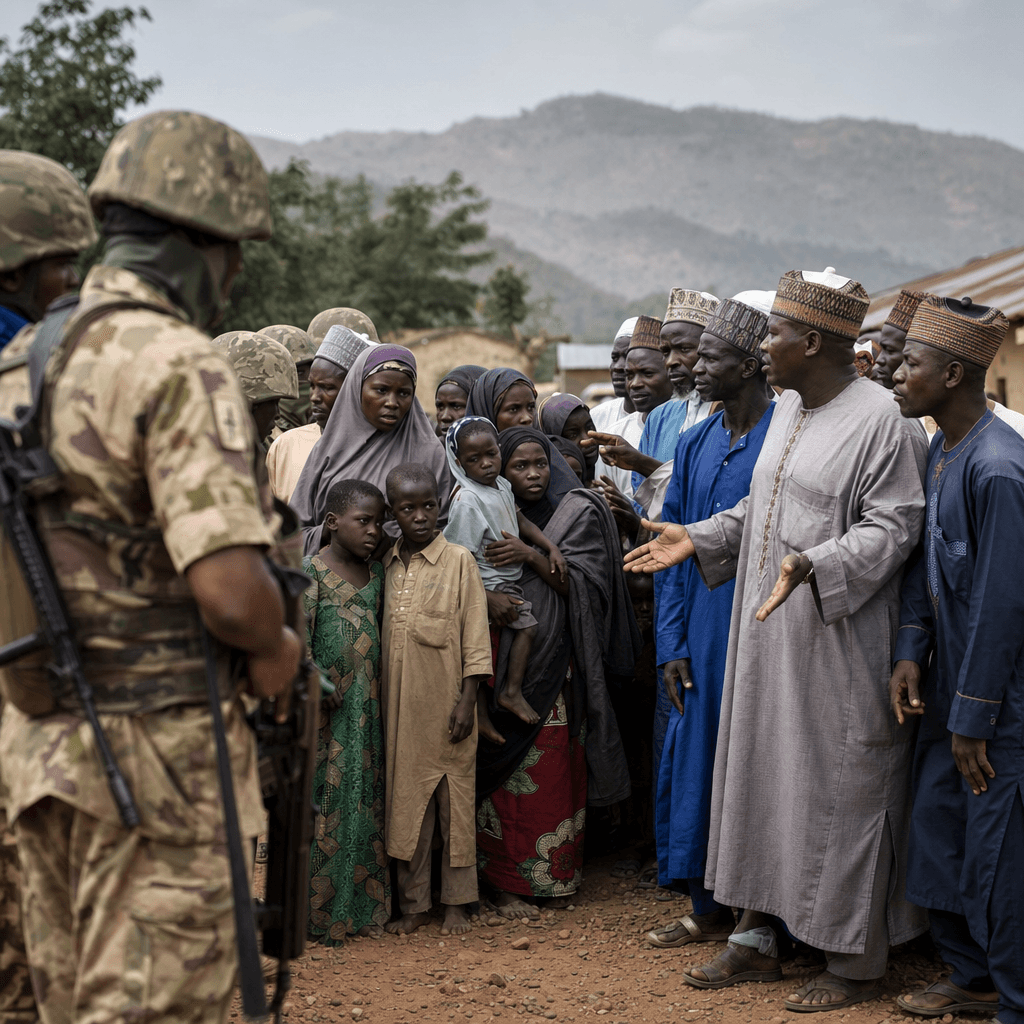
Who Freed the Gwoza Captives? Nigeria's Security Narratives Clash
Hundreds of hostages taken by Boko Haram in Borno are free, but a conflict of narratives between the military and local mediators exposes deep security gaps.
On June 6, 2026, hundreds of Boko Haram captives—abducted three months ago from the Ngoshe community in Borno State—were freed from a remote hideout in the Mandara Mountains. While the return of these women and children is a rare moment of relief for north-eastern Nigeria, a sharp dispute has emerged over how their freedom was secured. The disagreement exposes a fundamental friction in Nigeria’s Conflict & Security strategy: the federal military’s narrative of kinetic prowess versus the reality of local, decentralized diplomacy.
Two Paths to Freedom
The Nigerian Army insists that their release was the product of a massive, weeks-long intelligence-led mission. Major-General Abdulsalam Abubakar, Theatre Commander of the North East Joint Task Force, announced that Operation Hadin Kai and Special Operations Forces launched a multi-front offensive, routing insurgents and extracting 360 captives, as reported by the Daily Trust.
However, local actors tell a very different story. The Borno South Youth Alliance (BOSYA) publicly disputed the army's account, claiming instead that it brokered the unconditional release of 416 hostages through weeks of direct communication and mediation with the captors, according to BBC News. For Gwoza residents, this contradiction matters. If BOSYA negotiated the release, it suggests that civilian-led backdoor diplomacy enjoys a level of access to Boko Haram commanders that the state cannot replicate, undermining Abuja's claims of military dominance.
The Myth of Total Security
The March 2026 raid on Ngoshe was a devastating indictment of local security. Militants overran a local military outpost, occupied the town for nearly 48 hours, and systematically abducted hundreds of residents as they broke their Ramadan fast, according to BBC News.
This massive security vacuum has forced communities in Borno State to rely on local networks rather than federal troops. From a broader Global Politics perspective, the Nigerian government is highly sensitive to allegations of paying ransoms or conceding territory. In early 2026, Abuja adamantly denied paying a 2-billion-naira ransom to free hundreds of students from St. Mary’s School in Niger State (
BBC News). The army's insistence on a triumphant kinetic extraction in Ngoshe aligns with this imperative to show a hardline, compromise-free stance. Yet, the realities on the ground point to a fragmented theater where civil-society groups must often treat with insurgents to save civilian lives.
What to Watch Next
The immediate priority is the profiling and reintegration of the freed captives. Critics will watch whether the Borno State government and federal authorities conduct thorough security screenings of the returnees to detect potential insurgent infiltration. More broadly, the next critical indicator of stability in Borno Gwoza will be whether the military can secure the Mandara Mountains agricultural belt. If farmers cannot return to their fields without fear of recurring abductions, the tactical victory of this release—however it was achieved—will do little to alter the regional balance of power.
Discover more
Conflict & Security
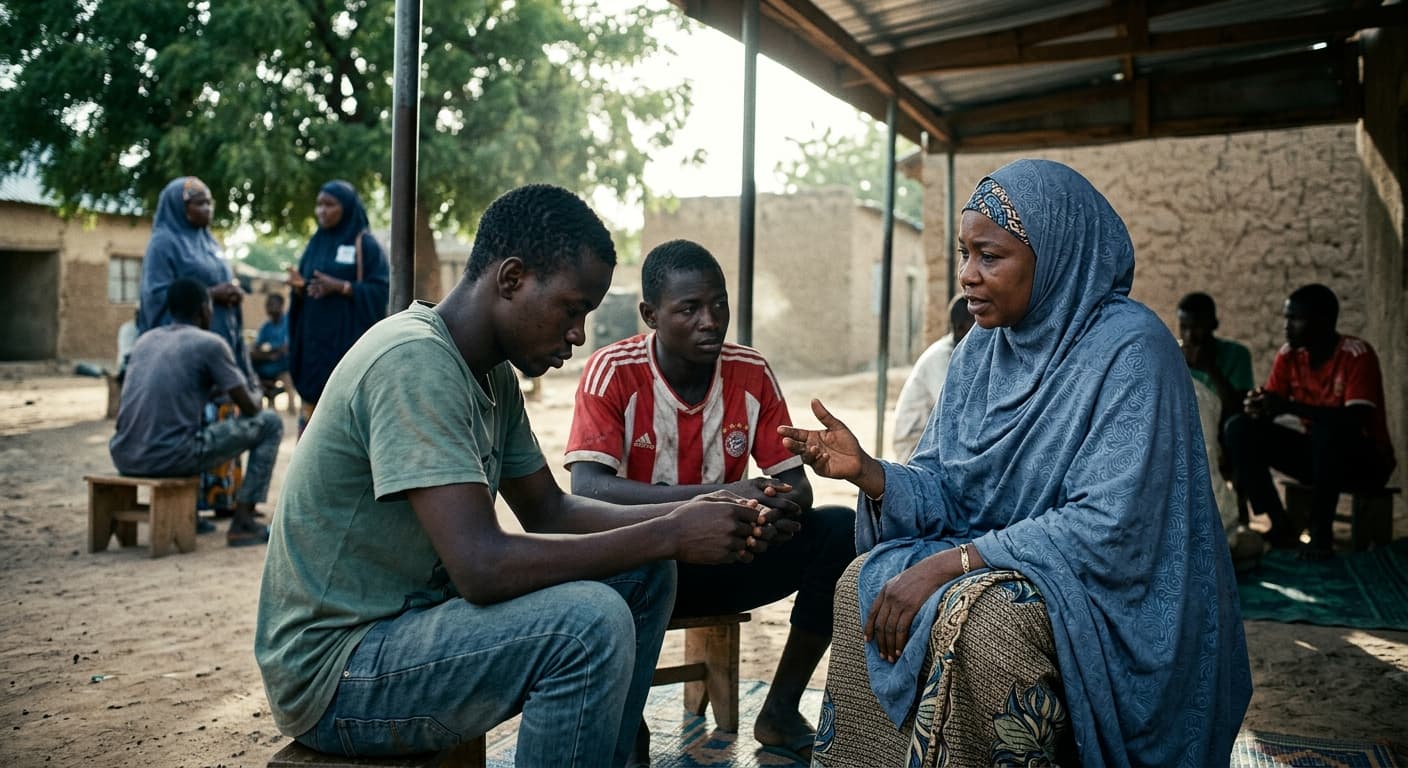
Women Peacebuilders Combat Gang Violence
Women peacebuilders in Maiduguri persuade young men to abandon gang violence through dialogue, offering a grassroots model for tackling unrest in Nigeria.
Conflict & Security
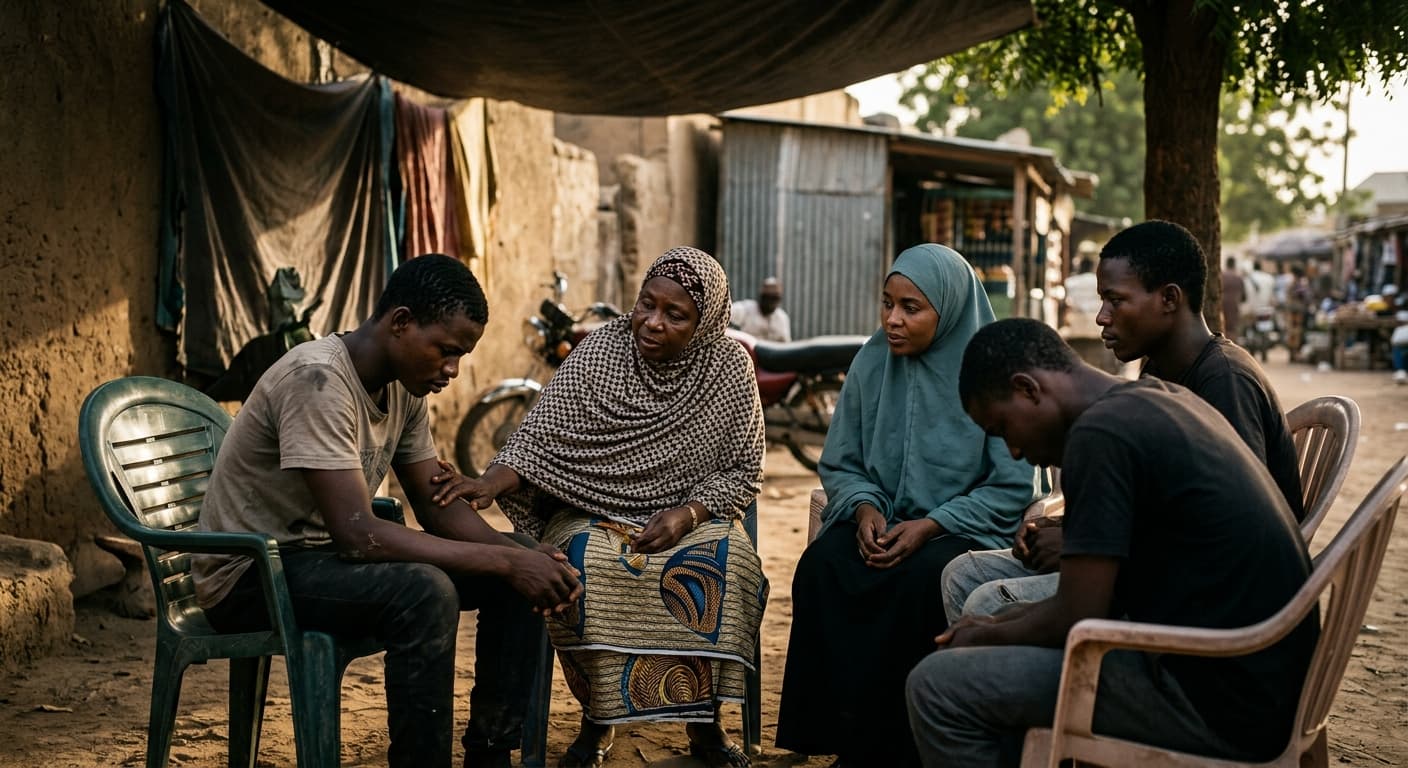
Women Mediators Transform Maiduguri's Gang T
Women in Maiduguri are defusing gang conflicts through patient dialogue, transforming local peacebuilding and steering young men away from violence in Nigeria.
Conflict & Security
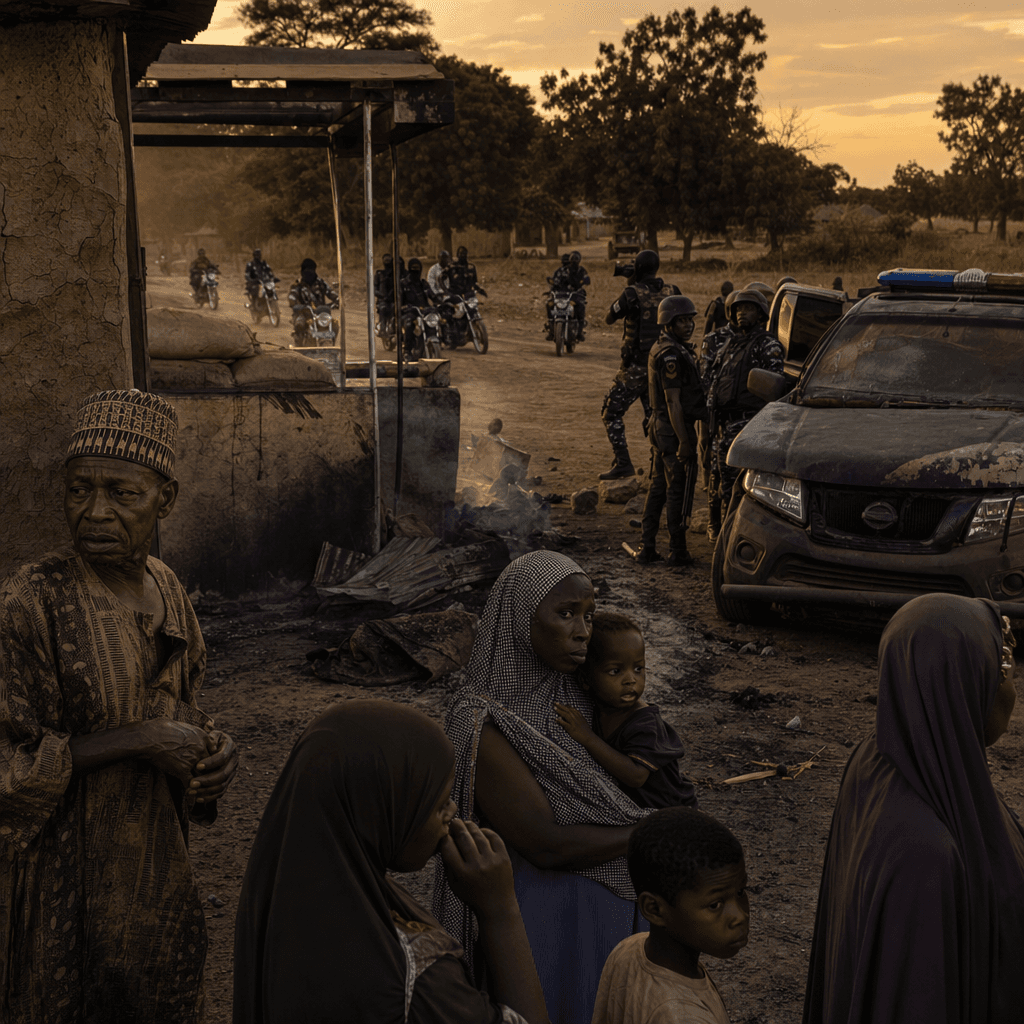
Kwara’s Bandit Escalation Tests Authority
Escalating bandit attacks in Nigeria's Kwara state mark a dangerous shift from opportunistic crime to direct challenges against state authority and security.
Conflict & Security
Akpabio vs Oshiomhole: 2027 Power Struggle
Akpabio's pointed warning to Oshiomhole exposes a widening power struggle in Nigeria's Senate, foreshadowing alliances and rivalries ahead of 2027 elections.