White House Uses Iran Truce to Boost War Pow
Trump uses ceasefire to sidestep Congress on military actions.
Model Diplomat2 min readNorth America

White House Uses Iran Truce to Blunt War Powers Fight
Washington is turning a battlefield pause into legal leverage. The truce helps Trump defuse Congress — unless strikes resume and the clock starts again.
The White House is trying to convert an Iran ceasefire into a constitutional advantage. Reuters reported that a U.S. official said the Iran truce ended hostilities for purposes of the War Powers deadline, a formulation that strengthens President Donald Trump’s case that he does not need fresh congressional authorization so long as active combat has stopped. US official: Iran truce ended hostilities for war powers deadline | Reuters
Why the administration gains
The power dynamic is straightforward: the executive benefits if a truce counts as the end of “hostilities,” because Congress loses its cleanest procedural lever. That matters in a Washington fight already tilted toward the president. On March 4, the U.S. Senate blocked a bipartisan measure that sought to limit Trump’s military action against Iran by a 53-47 vote, showing that even before this truce, Congress lacked the votes to reassert itself decisively. US Senate backs Trump on Iran strikes, blocks bid to limit his war powers | Reuters
The truce also gives the administration a diplomatic off-ramp that reinforces its legal argument. Reuters separately reported that U.S. and Iranian officials held high-level peace talks in Islamabad, their first top-level negotiations in decades, and that Washington remained publicly positive on a deal even as the ceasefire approached its end. U.S., Iran hold high-level peace talks in Islamabad | Reuters
US positive on Iran deal but talks uncertain, ceasefire nears end | Reuters
Why Congress loses
Congress’s institutional interest is authorization before force; the White House’s interest is redefining the facts on the ground before that debate hardens. If the administration can say the fighting has stopped, then the war-powers argument shifts from “ongoing unauthorized hostilities” to “a completed operation followed by diplomacy.” That is a much weaker terrain for congressional opponents.
The losers are not abstract. Senate Democrats, Republican war-powers skeptics, and congressional leadership trying to defend the legislature’s prerogatives all lose leverage if the courts and the public accept that the operational phase is over. For readers tracking the broader US Politics and
International Affairs implications, this is less about legal theory than about sequencing: pause the fighting first, then make Congress argue against a ceasefire.
What to watch next
The next decision point is operational, not rhetorical. If U.S. strikes remain paused and diplomacy continues, the administration’s position hardens. If hostilities resume, the White House’s argument weakens immediately. Watch for three signals: whether the Islamabad channel stays active, whether U.S. officials keep describing the conflict in the past tense, and whether congressional critics force another floor vote that tests whether the 53-47 Senate alignment has shifted. U.S., Iran hold high-level peace talks in Islamabad | Reuters
US Senate backs Trump on Iran strikes, blocks bid to limit his war powers | Reuters
Discover more

Global
Qatari Tanker Strike Exposes Hormuz Tensions
A Qatari tanker was struck off Oman, revealing the fragility of the Hormuz ceasefire and Iran's influence over maritime security.
Global
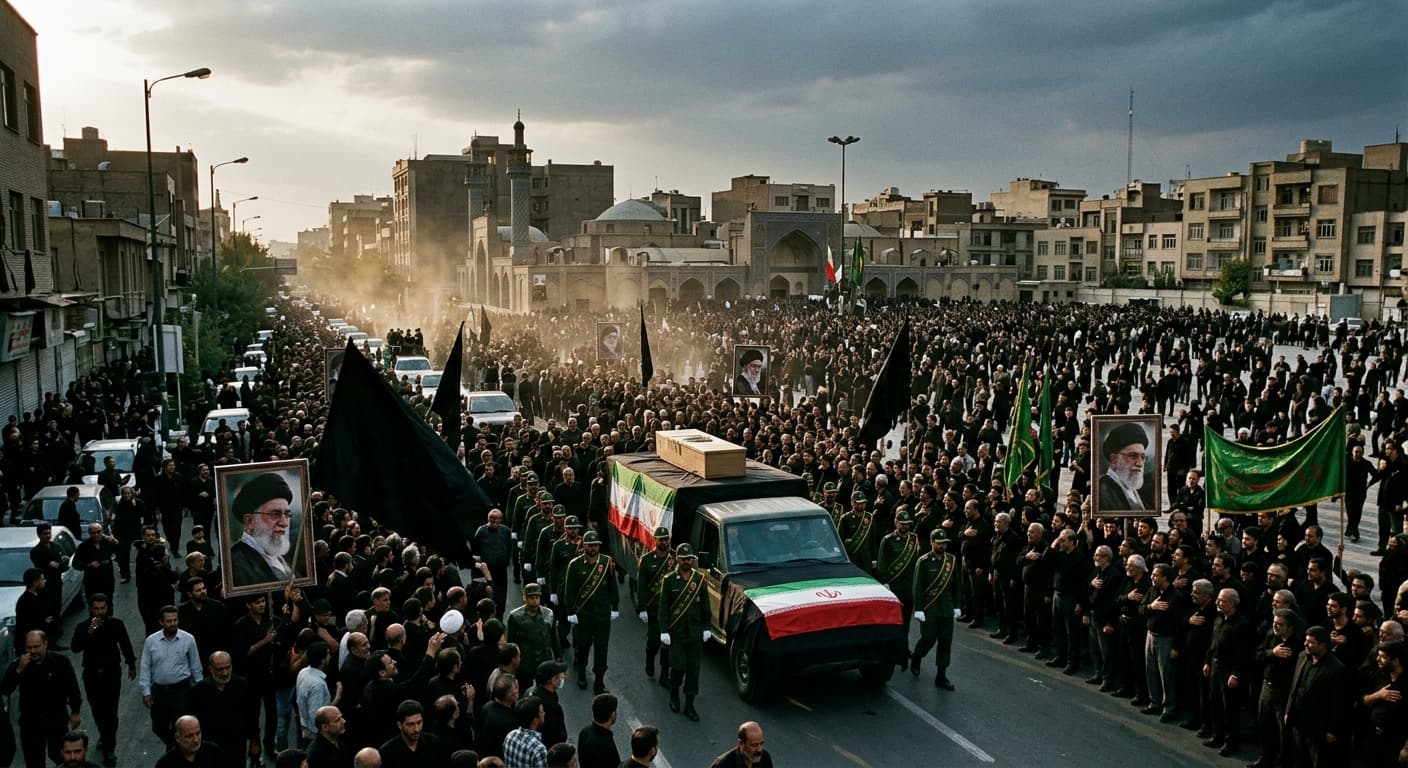
Khamenei's Funeral Signals Iran's Decline
The funeral of Ayatollah Khamenei highlights Iran's diminished influence in the Gulf, with regional powers now dictating terms.

Global
Iran's Hormuz Missile Strikes: A Toll Booth
Iran's missile attack on a Qatari-linked tanker highlights Tehran's strategy to control the Strait of Hormuz, impacting Gulf states and maritime law.
Tech Policy
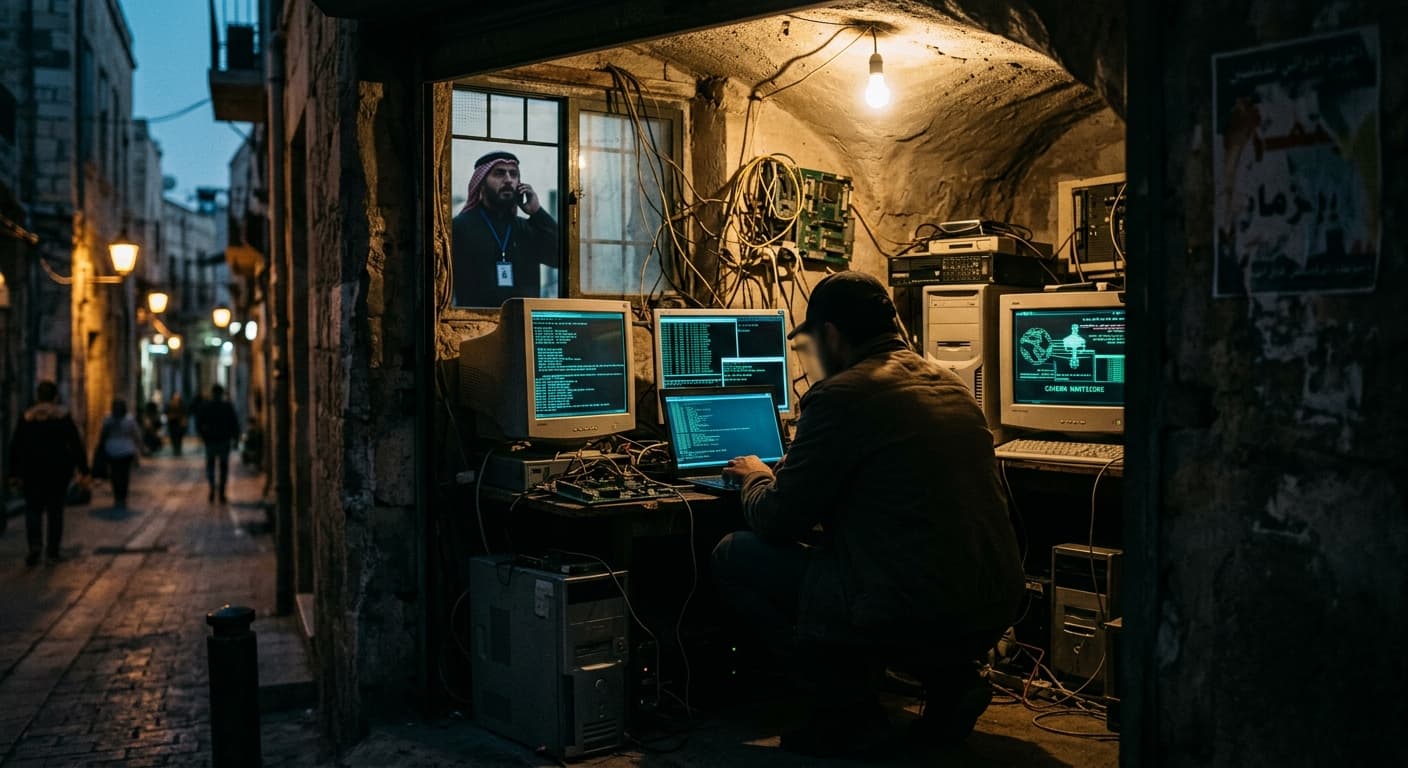
Iran's Cavern Manticore Targets Israel's IT
Cavern Manticore, an Iran-linked hacking group, targets Israeli IT vendors, prompting a shift in Israel's cybersecurity policy and legislative efforts.