Western Allies Sanction Settlers in West Bank
New sanctions target individuals amid Israeli state protection.
Model Diplomat3 min readMiddle East
Western Allies Target Settlers, But Avoid State Collision
Coordinated West Bank sanctions signal growing Western frustration with Israel, but critics argue isolating individuals obscures state responsibility.
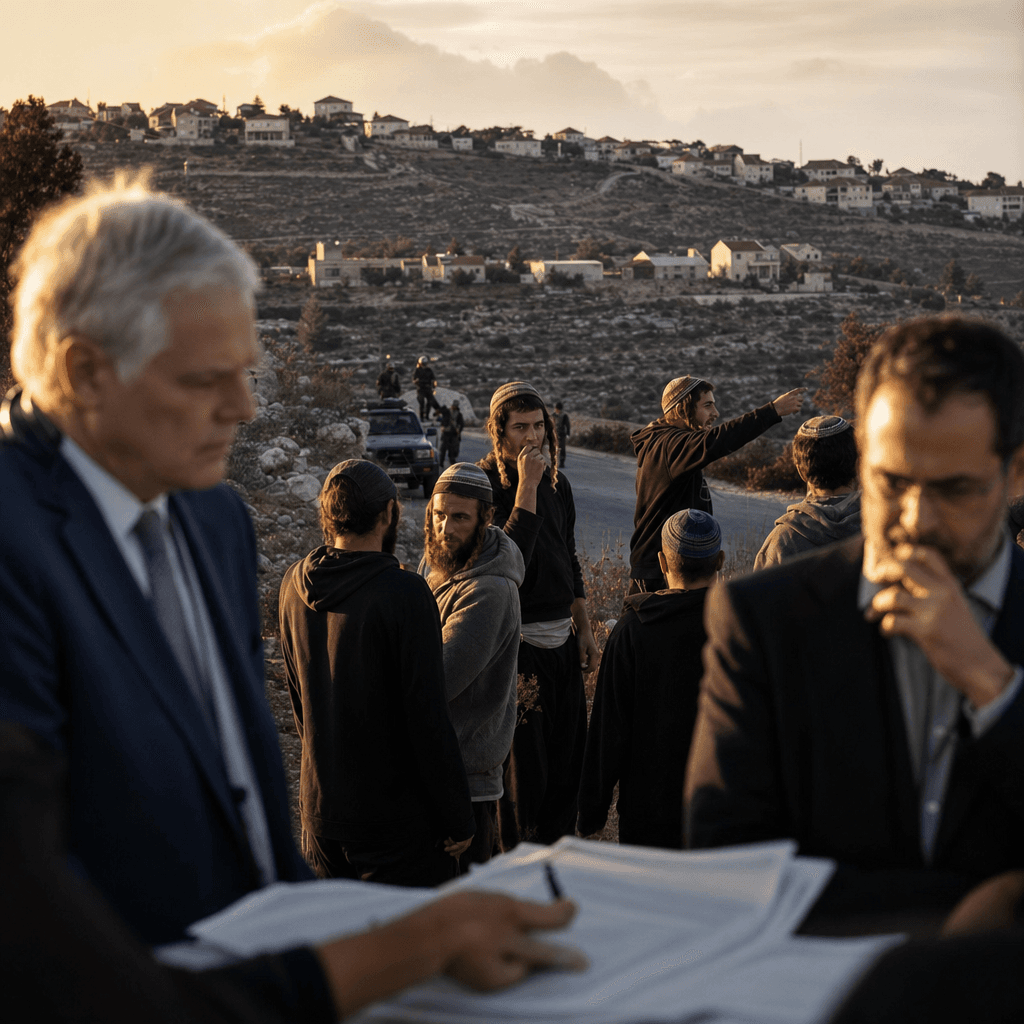
On June 9, 2026, a coalition consisting of the United Kingdom, Australia, Canada, France, New Zealand, and Norway announced coordinated sanctions targeting individuals and financial networks driving settler violence in the occupied West Bank (BBC). The measures include travel bans, asset freezes, and an entry ban by France on Israel's far-right Finance Minister Bezalel Smotrich (
Al Jazeera). Yet, despite the diplomatic fanfare, human rights organizations and Palestinian leaders argue that focusing on non-state actors serves to shield the actual architect of the expansion: the Israeli government itself (
Al Jazeera). By treating settler violence as an isolated phenomenon rather than state policy, Western capitals are attempting to manage domestic public anger without triggering a fundamental rupture in their relations with Israel.
The Mechanics of Defensive Sanctions
Western powers are facing immense domestic and international pressure over their policies regarding International Relations and the broader Middle East
Conflict. UK Foreign Secretary Yvette Cooper noted that the British government is raising economic warnings by advising domestic firms against financial activities in illegal settlements (
BBC). But by design, these sanctions exploit a highly specific legal distinction, drawing a clear line between "extremist" actors and the sovereign government of Israel. France’s barring of Smotrich—who is both a government minister and a vocal advocate for West Bank annexation—shows how thin this line has become (
Al Jazeera). Still, by focusing on individual actors, Western states successfully preserve their core commercial, military, and intelligence ties with Tel Aviv, ignoring demands for systemic trade embargoes or comprehensive arms halts.
The Institutional Realities of the West Bank
Inside Israel, the political reaction was swift and defensive. Ministry of Foreign Affairs spokesman Oren Marmorstein dismissed the joint allied moves as “disgraceful measures” intended to impose a political stance under the guise of security concerns (BBC). Meanwhile, targeted organizations like Smotrich’s Regavim and Daniella Weiss’s Nachala movement have historically brushed off previous European Union sanctions, even framing them as a "badge of honor" (
Al Jazeera). Campaigners point out that these groups operate with direct state funding and under the active physical protection of Israel’s security forces, highlighting the artificial nature of Western distinctions (
Al Jazeera). Until Western governments target state-level decision-makers, critics like Amnesty International argue, the core drivers of settlement expansion will remain completely insulated from international pressure.
What to Watch Next
The immediate next test of Western resolve will come down to legislative and economic enforcement. Watch whether the UK's new corporate advisory on settlements transitions into a binding ban on Israeli settlement goods and trade, which campaigners are fiercely lobbying for. Additionally, keep a close eye on the Knesset, where the Israeli cabinet has recently debated a massive 1-billion-shekel ($338 million) allocation to further expand West Bank settlements (Al Jazeera). If this budget passes, it will force Western allies to decide whether to escalate sanctions to a broader spectrum of mainstream Israeli state agencies, or concede that their current coercive tools have reached their absolute political limit.
Discover more
India
UN Expert Albanese: India Violates Law
UN Rapporteur Francesca Albanese accuses India of breaching international law, spotlighting human rights concerns in Kashmir and prompting diplomatic pushback.

Conflict & Security
Drone Warfare Killing Aid Workers at Unprec
Over 1,000 humanitarian workers killed in three years as cheap armed drones collapse legal protections. Gaza, Sudan, Ukraine, and DRC see deliberate targeting of aid convoys and hospitals with zero prosecutions.
Global
World Normalises Taliban as Afghan Women Eras
UN data shows Afghan women erased from public life as Russia recognises the Taliban, EU hosts officials in Brussels, and ICC warrants for gender persecution go unenforced.
Conflict & Security
West Africa Food Crisis: Three Shocks in 2026
Conflict, climate extremes, and the Strait of Hormuz closure drive a severe food crisis in West and Central Africa, with fertilizer prices surging 80% and millions displaced.