U.S. Military Overflight Signals Control in V
U.S. military drills in Venezuela show shifting dynamics.
Model Diplomat3 min readSouth America

Washington Uses Caracas Airspace to Signal Control
Two U.S. Osprey aircraft overflew Caracas in a rare evacuation drill, testing embassy readiness while Caracas shows cautious, uneasy accommodation.
U.S. military aircraft overflew and landed at the U.S. embassy in Caracas on Saturday in what Washington called a “military response exercise” and what Venezuela had already authorized as a “simulacro de evacuación,” according to France 24 and
Telemundo/AP. The visible part matters: two Bell Boeing V-22 Osprey aircraft crossed one of the most politically charged skies in the hemisphere, then touched down at a U.S. diplomatic site in the Venezuelan capital. Washington is using a tightly choreographed show of reach to demonstrate that its mission can move personnel, aircraft and security assets in and out of Caracas on its terms.
Why this is more than a drill
The drill is not happening in a vacuum. Venezuela said Thursday it had authorized the exercise at the request of the U.S. embassy, framing it as a routine security protocol for “eventuales situaciones médicas o contingencias catastróficas,” according to EFE. That matters because Caracas is no longer treating every U.S. security move as an outright breach; it is, instead, allowing controlled military activity inside its capital and over its airspace. That is a sign of bargaining, not trust.
The politics are exposed in the local reaction. France 24 reported that some residents watched with curiosity, but hardline chavista protesters denounced a “simulacro yanqui.” That split tells you who benefits and who loses. The benefit goes to the current Venezuelan authorities, who can present the authorization as proof of sovereign control and diplomatic pragmatism. Washington benefits too: the flight demonstrates operational access without a public crisis. The losers are the anti-U.S. factions in Caracas who want every American military appearance to read as provocation, not protocol.
The real message is about leverage
This episode also fits a broader thaw. EFE reported in March that Washington and Caracas formally agreed to restore diplomatic relations, after years of rupture. Since then, the U.S. has been moving on two tracks: security coordination at the embassy and economic engagement, including talks on mining, as EFE reported separately on May 23. That combination suggests the Trump administration is trying to convert coercive leverage into transactional influence — security access, commercial openings, and political management all at once.
For Caracas, the calculation is narrower. Authorizing the drill lets Delcy Rodríguez’s government appear functional and sovereign while avoiding a direct rupture with Washington. It also helps the regime signal to domestic audiences that it can contain U.S. activity without escalating into confrontation. But the visible presence of U.S. military aircraft will revive exactly the nationalist suspicion Caracas has spent years feeding.
What to watch next
The key question now is whether this stays a one-off embassy exercise or becomes part of a normal pattern of U.S. operational presence in Venezuela. Watch for three things: whether Washington schedules more flights or evacuation drills; whether Miraflores issues any follow-on restrictions; and whether the embassy’s security posture begins to expand beyond a symbolic test into routine military coordination. The next decision point is simple: does Caracas keep allowing U.S. military access, or does domestic backlash force a freeze.
Discover more

Global Politics
US Seizes Iranian Ship, Tensions Surge
The US seizure of the Iranian ship Touska highlights a shift in control over the Strait of Hormuz, favoring Iran's strategic position.

Conflict & Security
Drone Warfare Killing Aid Workers at Unprec
Over 1,000 humanitarian workers killed in three years as cheap armed drones collapse legal protections. Gaza, Sudan, Ukraine, and DRC see deliberate targeting of aid convoys and hospitals with zero prosecutions.
Global
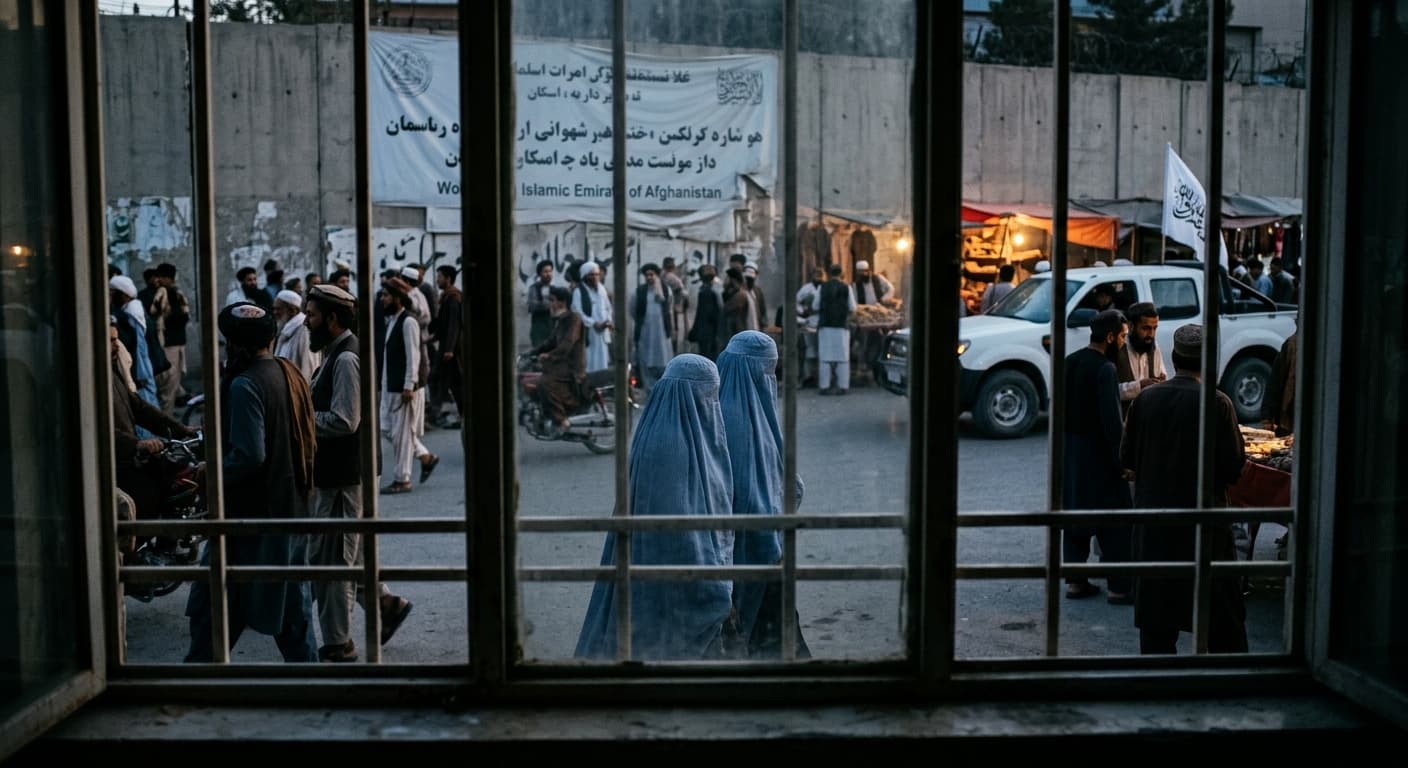
World Normalises Taliban as Afghan Women Eras
UN data shows Afghan women erased from public life as Russia recognises the Taliban, EU hosts officials in Brussels, and ICC warrants for gender persecution go unenforced.
Conflict & Security
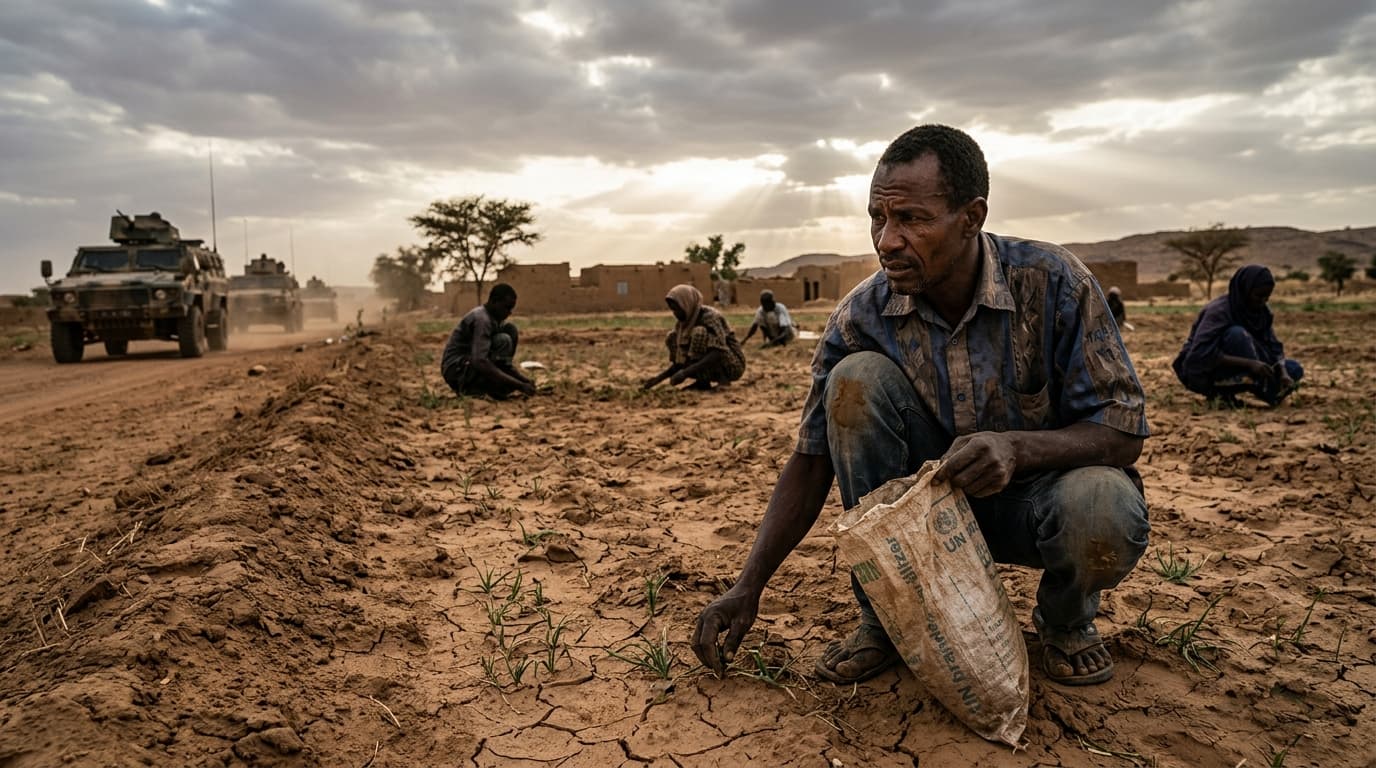
West Africa Food Crisis: Three Shocks in 2026
Conflict, climate extremes, and the Strait of Hormuz closure drive a severe food crisis in West and Central Africa, with fertilizer prices surging 80% and millions displaced.