Wang Yi Urges India-China Dialogue Restart
China's top diplomat pushes for renewed talks with India.
Model Diplomat3 min readAsia
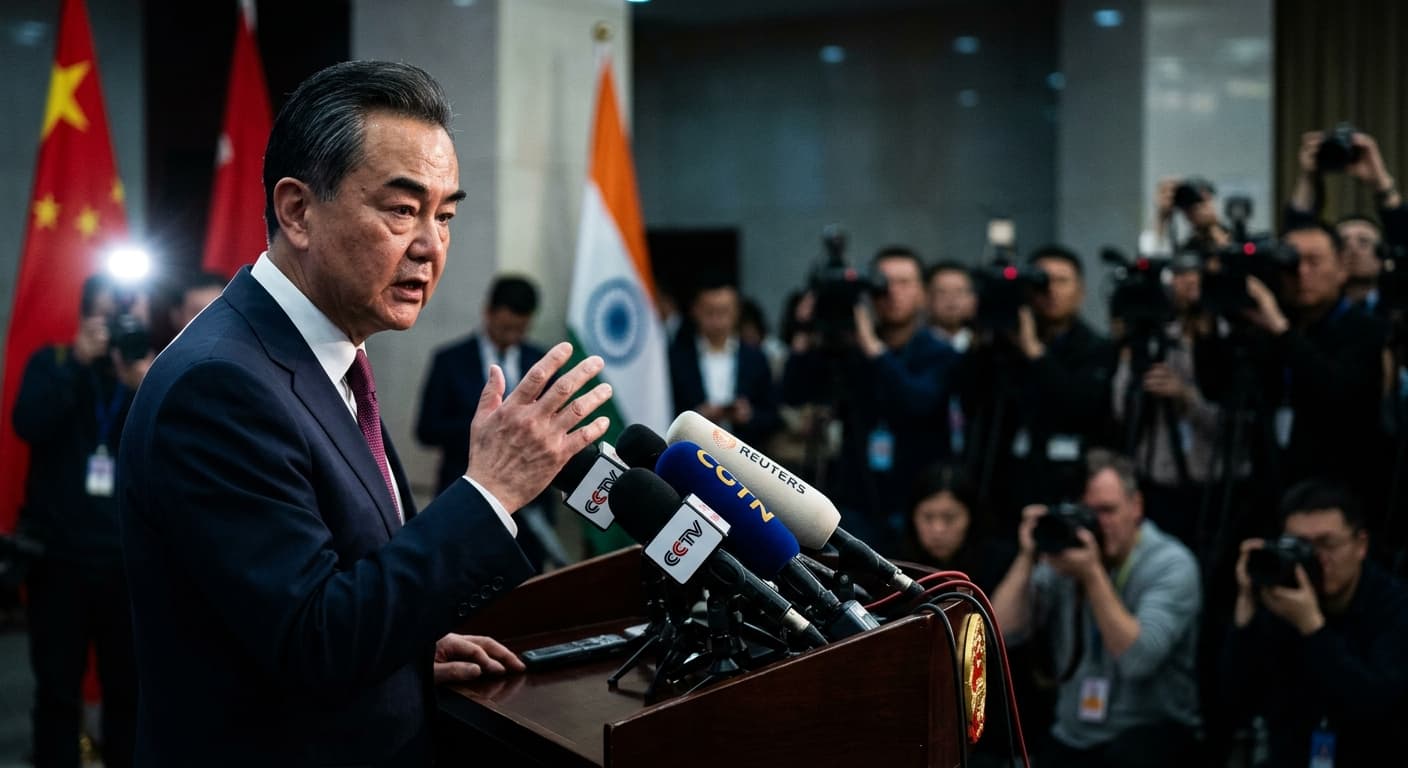
Wang Yi Pushes for India-China Dialogue Restart
Beijing signals impatience with stalled mechanisms as normalization tests New Delhi's strategic patience
China's top diplomat made an unmistakable push on June 22 to accelerate India-China dialogue, with Foreign Minister Wang Yi telling National Security Adviser Ajit Doval that accelerating resumption of stalled mechanisms was "essential," according to The Hindu. The bluntness of the language—from a senior Politburo member and head of China's foreign affairs apparatus—signals Beijing's frustration with the glacial pace of normalization, barely six months into what both capitals are calling a "recovery and improvement" phase.
Wang's message carried real weight: of the nearly 50 government-to-government dialogue mechanisms between the two countries, most remain frozen, according to Chinese Ambassador Xu Feihong, who underlined the point at The Hindu Huddle in Bengaluru earlier this month. That gap between rhetorical normalization and institutional reality is where the real leverage lies—Beijing wants movement on practical mechanisms that would bind the two economies closer, not just border confidence-building.
The Doval-Wang meeting happened on the sidelines of the BRICS National Security Advisers' conclave in New Delhi. By design, it was calibrated to signal progress: both sides described talks as "constructive and forward-looking," a phrase that means minimal friction was allowed to surface. Doval reiterated India's line that "stable, predictable and constructive bilateral relations" build trust—diplomatic language for "don't surprise us." But
India's ministry statement was notably careful: it said both sides "noted progress towards gradual normalisation," not that normalization was underway.
Why the gap between messaging and machinery matters
Wang's call for acceleration on trade, finance, law enforcement, and media channels reveals where Beijing sees real dividends. Direct flights between Kolkata and Guangzhou resumed only recently—the first in five years—and further commercial and people-to-people ties require dormant institutional channels to reopen. Beijing's interest in the BRICS framework also plays a role: India holds the rotating chair through this year, and China will assume it in 2027. Opening these mechanisms now helps Beijing position itself to set the agenda and cement institutional ties before the handoff.
For India, the hesitation is structural. New Delhi is keenly aware that deep distrust and competition will remain defining features of the relationship, even as both countries manage a border that has been "generally peaceful" since October 2024's disengagement at Depsang and Demchok. Reopening trade, investment, and cross-border mechanisms means exposing Indian industries and tech sectors to Chinese competition at a time when New Delhi is managing higher tariffs under Trump and trying to position itself as a manufacturing alternative to China.
What to watch next
The real test comes when Doval travels to Beijing for the 25th Special Representatives roundtable—a trip that will also signal whether Xi Jinping intends to attend the BRICS leaders' summit in New Delhi in September. That visit will determine whether India is willing to ceremonially open specific mechanisms (trade working groups, cultural exchanges, visa streamlining) without compromising strategic autonomy. Wang's urgency suggests Beijing will press hard for substantive reopenings, not just diplomatic theater. The clock is running: China assumes the BRICS chair in six months, and every unopened channel is leverage Beijing will want to consolidate before that transition.
Discover more

India
India-South Korea $50B Trade Expansion Plan
India and South Korea target $50 billion in bilateral trade by 2030, focusing on industrial cooperation and strategic alignment amid US pressures.
India
UN Expert Albanese: India Violates Law
UN Rapporteur Francesca Albanese accuses India of breaching international law, spotlighting human rights concerns in Kashmir and prompting diplomatic pushback.
India
CPI(M) Calls to Decouple Quota from Delimita
CPI(M) advocates for a 33% women's quota in Lok Sabha by 2029, removing the need for delimitation and census linkage.

Conflict & Security
Drone Warfare Killing Aid Workers at Unprec
Over 1,000 humanitarian workers killed in three years as cheap armed drones collapse legal protections. Gaza, Sudan, Ukraine, and DRC see deliberate targeting of aid convoys and hospitals with zero prosecutions.