Uttarakhand's Push for Women's Reservation
CM Dhami seeks cross-party support for women's empowerment bill.
Model Diplomat3 min readSouth Asia
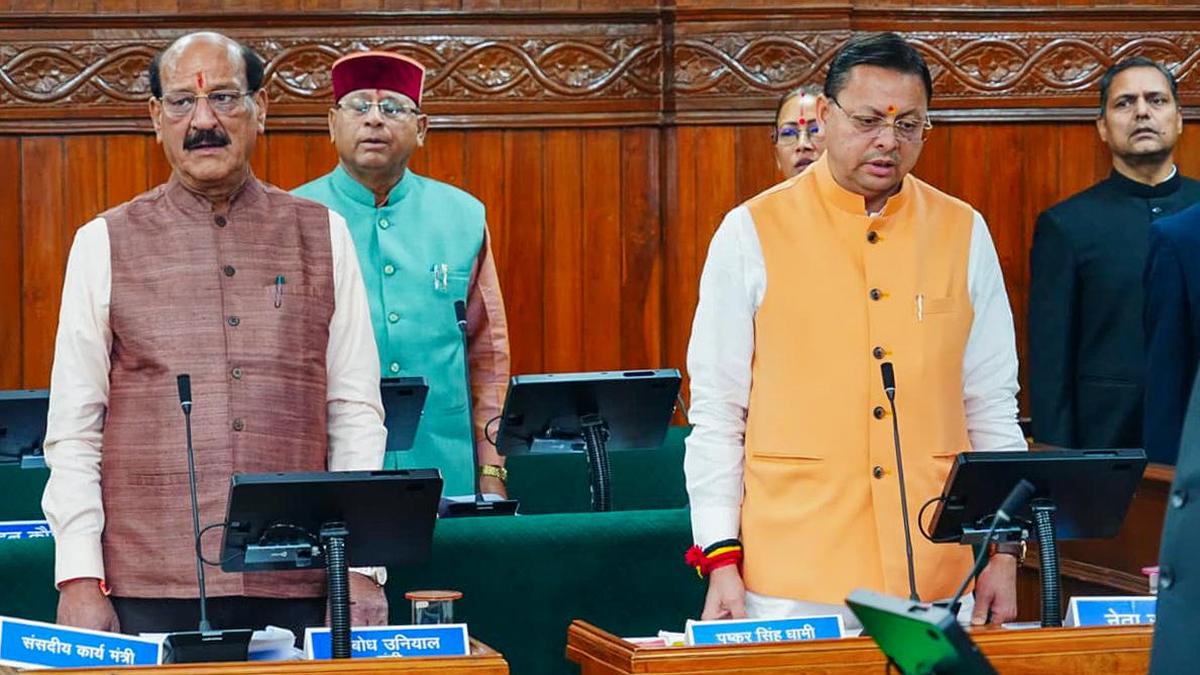
Dhami's "No Politics" Plea Is Itself Political — And It's Working
Uttarakhand's CM is rallying cross-party support for women's reservation as BJP tries to rescue a nationally defeated bill from the state level up.
Uttarakhand Chief Minister Pushkar Singh Dhami convened a special one-day Assembly session this week, urging all parties to back the Nari Shakti Vandan Adhiniyam — the BJP's constitutional amendment proposing 33% reservation for women in Parliament and state legislatures. His framing: women's empowerment is above politics, so opponents should fall in line. The timing is anything but apolitical.
The National Wreckage Behind the State Push
On April 18, Prime Minister Modi addressed the nation after the 131st Constitutional Amendment Bill — the legislative vehicle for the 33% quota — was defeated in the Lok Sabha. Congress, DMK, Trinamool Congress, and Samajwadi Party all voted against, citing the bill's linkage to a delimitation exercise that would have reduced the parliamentary weight of southern states. The bill collapsed. Modi called it a "black day" and accused opponents of committing "foeticide" of women's representation.
Dhami's Uttarakhand session is the BJP's counter-move: if the amendment can't pass nationally, build a floor of state-level resolutions that reframe the opposition as anti-women obstructionism. Uttarakhand — BJP-controlled, electorally manageable — is the easy first domino. A unanimous resolution from the Assembly hands the party a clean headline and pressures wavering opposition legislators in harder states.
Who Benefits, Who Loses
BJP gains the most immediately. A cross-party resolution lets the party portray the national defeat as a Congress-led betrayal rather than a coalition failure, and gives Modi a policy reset narrative ahead of any state election cycle. Dhami himself is positioned as a consensus-builder — useful currency for a CM whose national profile has been rising within the party.
The opposition faces a trap. Voting against the resolution in Uttarakhand means being photographed opposing women's reservation in a state where, per The Hindu's 2026 analysis, female voter turnout now matches or exceeds men's and women-centric welfare schemes are a decisive electoral hinge. Supporting it hands BJP a procedural win.
Women legislators themselves remain the most undercounted variable. Uttarakhand's Assembly has among the lowest proportions of female members in India — the symbolic resolution does nothing about candidate selection, which remains controlled entirely by party high commands that have historically deprioritised women's tickets regardless of reservation law.
Frontline's critique cuts deeper: the BJP consistently conflates reservation with empowerment, sidestepping the socioeconomic infrastructure — healthcare, legal protection, economic access — that actually shifts women's lived conditions in hill states like Uttarakhand.
What to Watch
The real test is whether the BJP can secure similar resolutions from non-BJP state assemblies — Maharashtra, Telangana, Himachal Pradesh — to build enough political pressure for a second attempt at the constitutional amendment in the monsoon session of Parliament. July's parliamentary calendar is the next hard deadline. If the delimitation linkage isn't severed from the reservation bill, southern opposition parties have no structural incentive to shift.
Watch also whether Dhami's "above politics" framing survives contact with Uttarakhand's own assembly candidate lists in the next state election cycle. Rhetoric and ticket allocation are where India's political dynamics on gender representation most visibly diverge.
Discover more
India
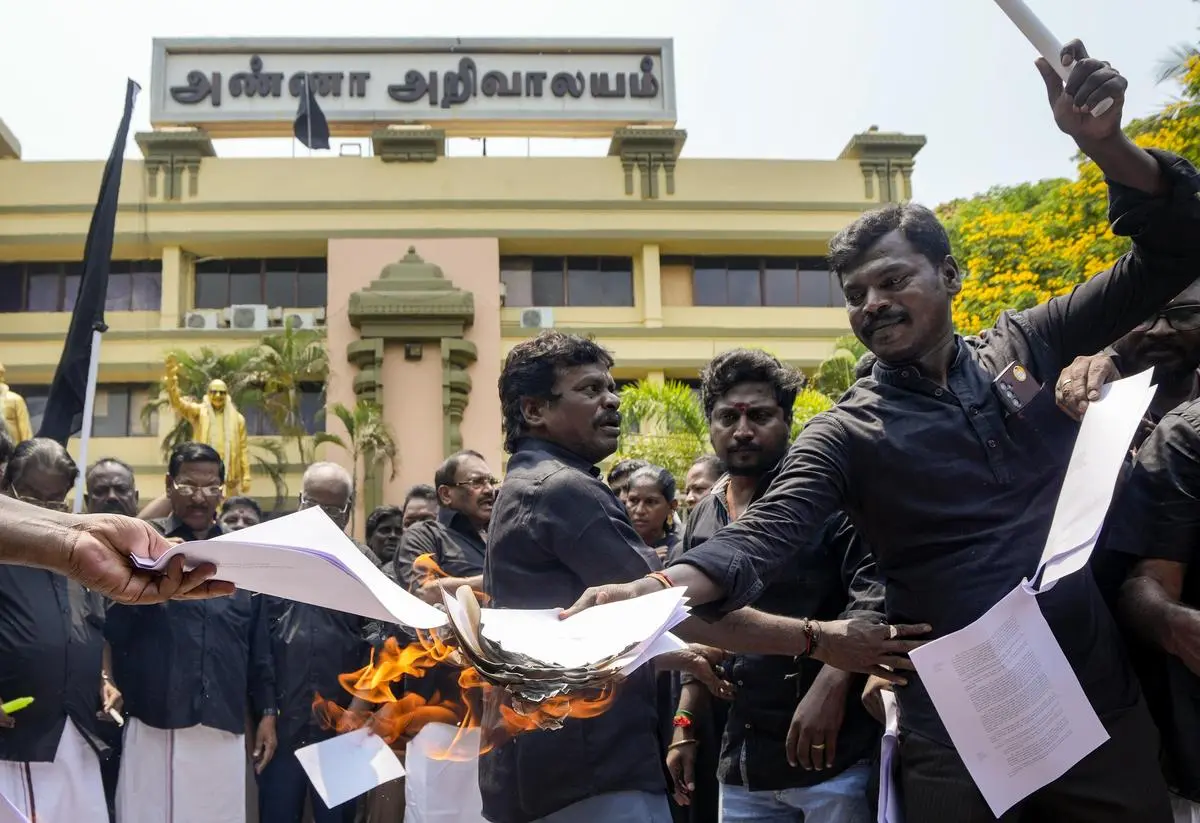
Women’s Reservation Bill 2026
The Constitution (131st Amendment) Bill, 2026 was defeated in Lok Sabha, revealing deeper political conflicts over women's reservation and delimitation.
India
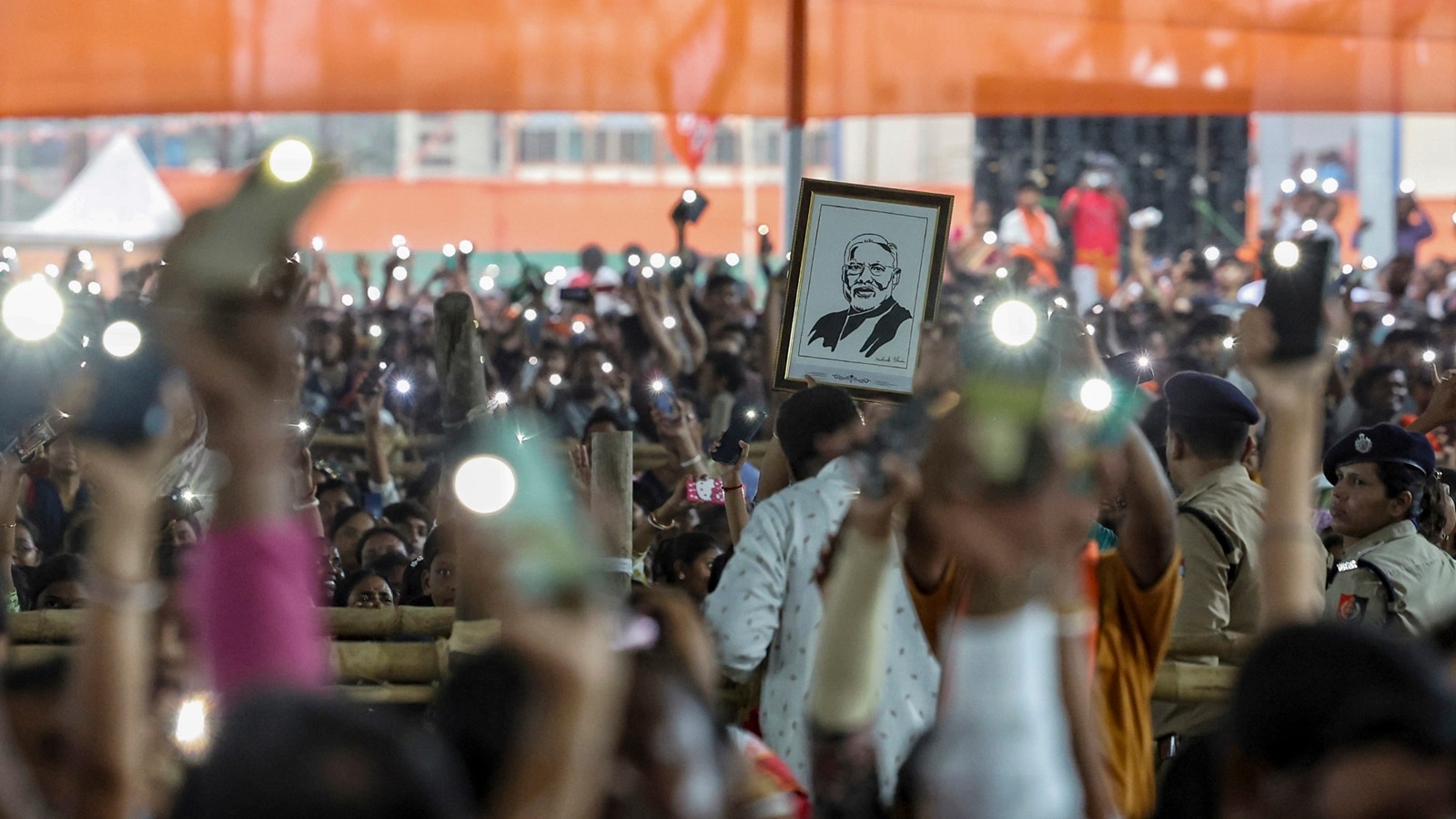
Modi's Women’s Convention in Varanasi
Modi's Varanasi rally frames women's reservation as a national mission, targeting the 2027 Uttar Pradesh elections with a strategic narrative.
India
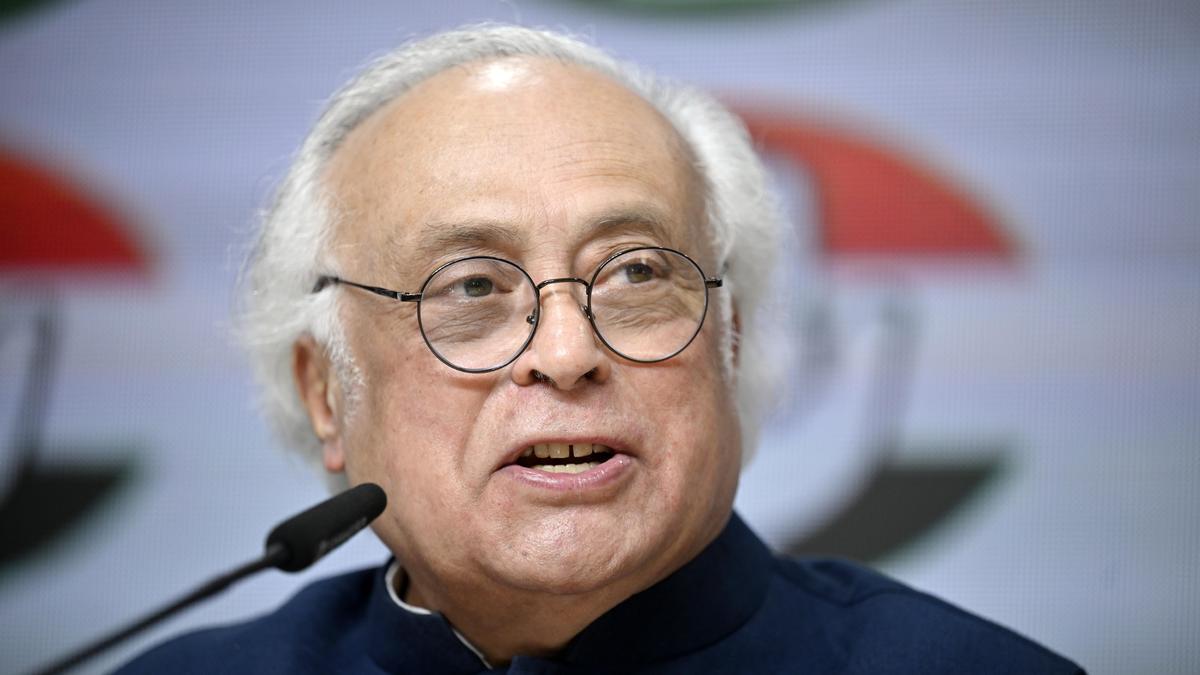
Congress Accuses Modi of Stalling Women's Law
Congress accuses Modi of stalling women's reservation law by linking it to delimitation, revealing a deeper electoral strategy.

Conflict & Security
Drone Warfare Killing Aid Workers at Unprec
Over 1,000 humanitarian workers killed in three years as cheap armed drones collapse legal protections. Gaza, Sudan, Ukraine, and DRC see deliberate targeting of aid convoys and hospitals with zero prosecutions.