US Troop Cuts in Germany
Berlin navigates US troop withdrawal amid NATO tensions
Model Diplomat2 min readEurope
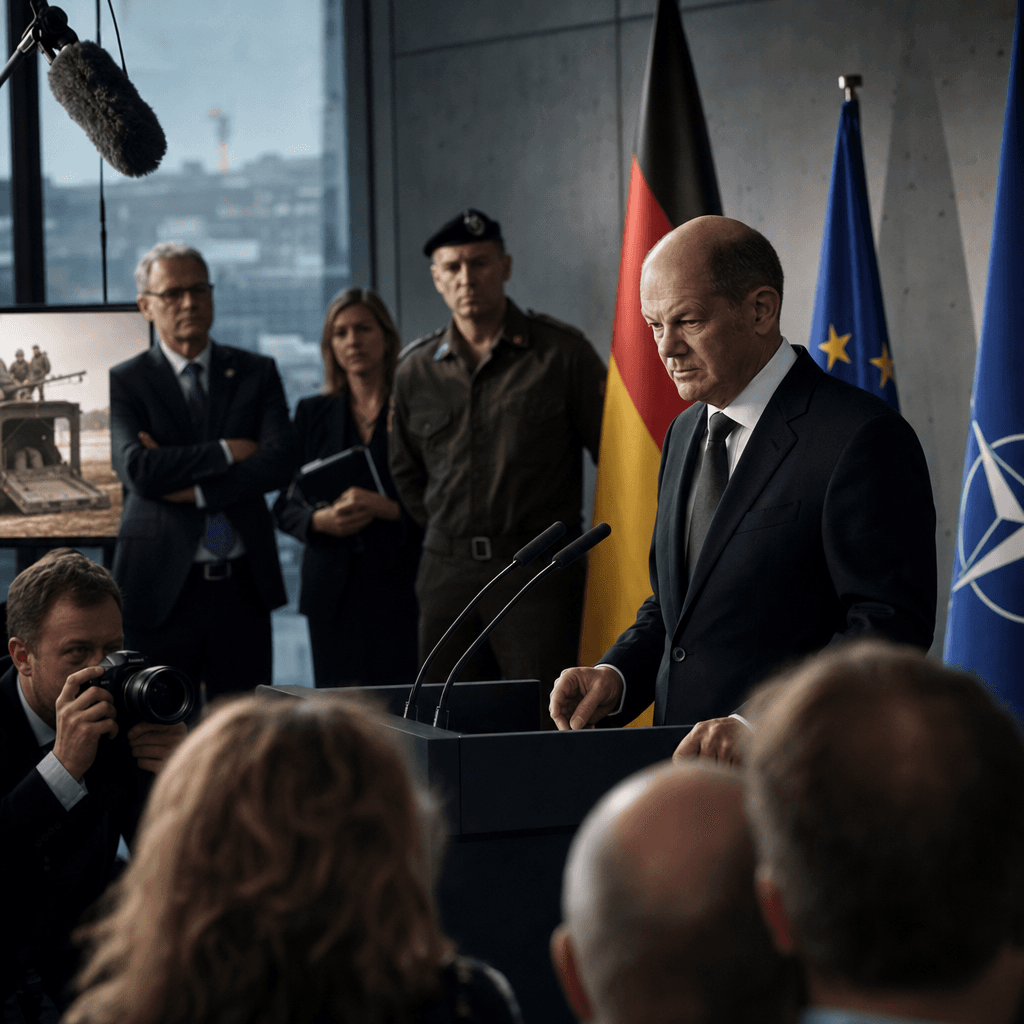
Merz Downplays a US Troop Cut, but Berlin Loses Leverage
Washington is using force posture to remind Berlin who still anchors Europe’s deterrence, even as Merz tries to keep the rupture contained.
Washington holds the leverage here. The Pentagon plans to withdraw about 5,000 US troops from Germany over the next six to 12 months, a move announced as Chancellor Friedrich Merz has tried to calm a public dispute with the White House over Iran and NATO burden-sharing. BBC
DW Merz has insisted the troop move has “no connection” to his personal relationship with Donald Trump and said the transatlantic relationship remains functional, even after sharp exchanges over the Iran war.
POLITICO
France 24
Force posture is the message
The military effect is limited; the political signal is not. Germany still hosts the largest US troop presence in Europe, at more than 36,000 personnel, making any cut visible far beyond Berlin. BBC
DW The Pentagon has framed the move as a response to “theater requirements” and “conditions on the ground,” not as a punitive step.
BBC But the timing matters: Trump had publicly floated wider troop reductions in Germany, and the announcement landed amid a direct political spat with Merz.
BBC
France 24
That gives Trump two wins. First, he reinforces his long-running argument that European allies remain dependent on US power. Second, he pressures Berlin without triggering a full alliance crisis. This is a calibrated cut, not a rupture.
Why Berlin is minimizing the breach
Merz and Defense Minister Boris Pistorius are trying to keep this dispute compartmentalized because Germany cannot afford to turn a troop review into a broader crisis of confidence inside NATO. Pistorius called the withdrawal “foreseeable” and argued that a US military presence in Europe remains in both German and American interests. BBC
DW
Berlin also knows this is not new. In 2020, Trump sought to move roughly 12,000 troops out of Germany; Congress blocked the plan, and Joe Biden later reversed it. BBC That history matters. It shows troop levels in Germany are no longer just a defense-planning question; they are a recurring bargaining chip in US-Europe politics.
For readers tracking the wider international picture, the non-obvious point is this: Germany is not treating the cut as an emergency because Berlin assumes core US infrastructure in Germany still serves Washington’s interests too. What Berlin is losing is not the alliance itself, but certainty.
What to watch next
The next decision point is whether this stays a 5,000-troop adjustment or becomes the opening move in a broader US drawdown from Europe. NATO has said it is seeking clarification from Washington. BBC Watch three things: whether the Pentagon specifies which units move, whether Trump expands his threat to other bases in Italy or Spain, and whether Berlin answers with faster defense spending and a stronger European pillar inside NATO. That is where the real balance of power will be tested.
Discover more
Global Politics
Trump's Conflicting Messages on Iran War
Trump's mixed messages on Iran reflect a strategy of audience management, benefiting Tehran amid a complex geopolitical landscape.

Conflict & Security
Drone Warfare Killing Aid Workers at Unprec
Over 1,000 humanitarian workers killed in three years as cheap armed drones collapse legal protections. Gaza, Sudan, Ukraine, and DRC see deliberate targeting of aid convoys and hospitals with zero prosecutions.

Global
World Normalises Taliban as Afghan Women Eras
UN data shows Afghan women erased from public life as Russia recognises the Taliban, EU hosts officials in Brussels, and ICC warrants for gender persecution go unenforced.
Conflict & Security
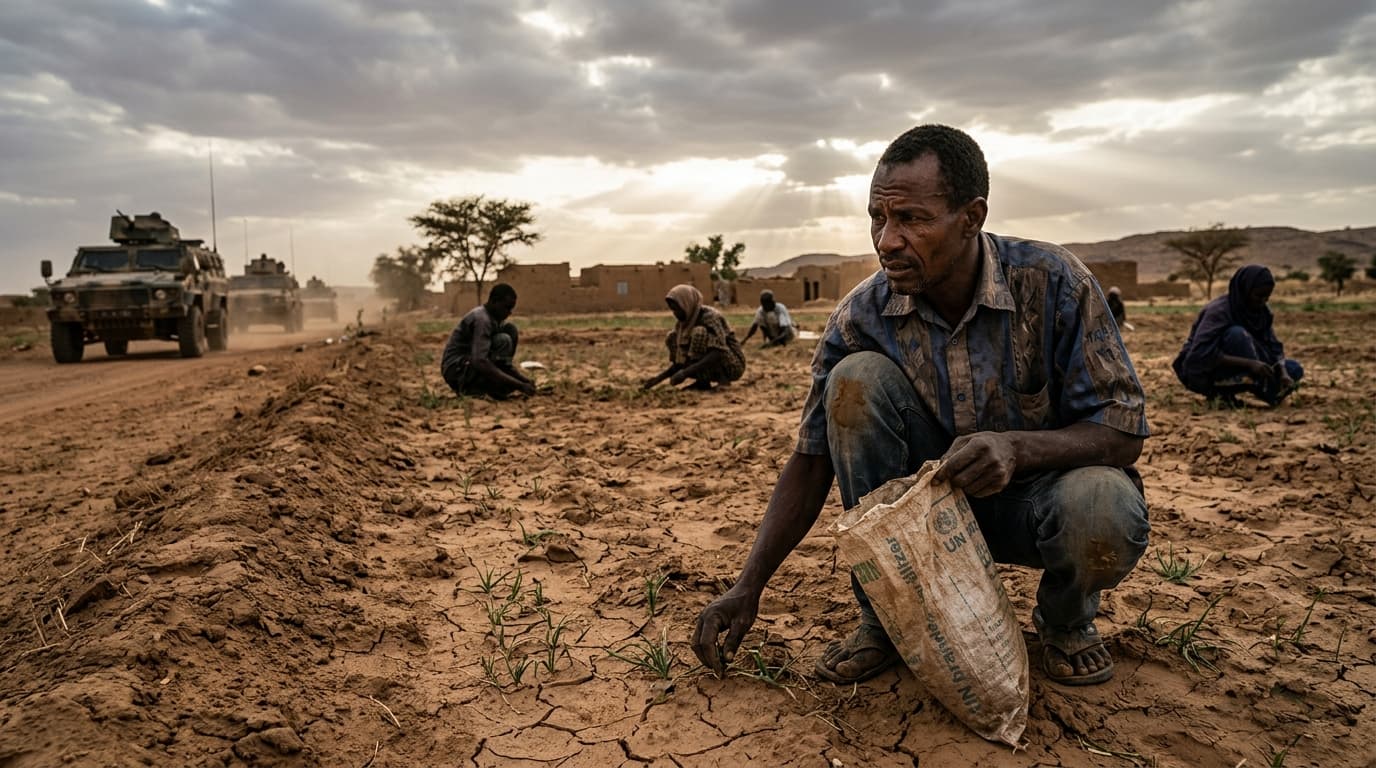
West Africa Food Crisis: Three Shocks in 2026
Conflict, climate extremes, and the Strait of Hormuz closure drive a severe food crisis in West and Central Africa, with fertilizer prices surging 80% and millions displaced.