US Strikes Impact Iran Deal Negotiations
Military pressure complicates Iran talks.
Model Diplomat3 min readMiddle East
US strikes raise the price of an Iran deal
Washington is using force to shape talks, but Tehran still holds the leverage that matters: the Strait of Hormuz, nuclear concessions, and the pace of any settlement.
US forces launched new strikes in southern Iran as negotiations with Tehran stalled over a draft framework, deepening the sense that military pressure is now the bargaining tool rather than the backdrop to diplomacy, Reuters reported on Tuesday (Reuters). Al Jazeera said the strikes hit missile sites and boats accused of laying mines near Bandar Abbas, while Secretary of State Marco Rubio said talks in Qatar could still take “a few days” because the sides were still arguing over “specific language” in the initial document (
Al Jazeera).
Force first, deal later
This is a classic coercive negotiation. Washington is signaling that it can punish Iranian military activity while still keeping the diplomatic channel open. That buys the White House two things: leverage over the text of any memorandum, and a way to reassure hawks that talks are not a concession track. Trump’s team has made the same point in different words — no rush, no bad deal, and the blockade on Iranian shipping stays until an agreement is signed, according to Reuters and Al Jazeera (Reuters;
Al Jazeera).
Iran, by contrast, is trying to slow the process and preserve optionality. Tehran’s foreign ministry has said progress has been made but an agreement is not “imminent,” and that nuclear questions should be handled after a framework accord is in place, not before (BBC;
Al Jazeera). That sequencing matters: once Iran accepts a framework, it loses room to trade later on uranium, sanctions relief, and frozen funds.
The Strait is the real prize
The real pressure point is the Strait of Hormuz. Before the war, about a fifth of global oil and LNG moved through it; now it is the centerpiece of the bargain, with Iran seeking recognition of its control over transit and the US demanding the waterway reopen freely (BBC;
Al Jazeera). Al Jazeera reported that the mooted memorandum would give the sides 30 to 60 days to settle the harder nuclear issues after an initial political understanding, including steps on shipping and frozen Iranian assets (
Al Jazeera).
That arrangement favors both sides in narrow ways. Washington gets a staged deal that can be sold as de-escalation without immediate capitulation. Tehran gets time, relief from immediate attack pressure, and a chance to convert maritime leverage into sanctions and cash concessions. The losers are the energy market and anyone assuming the conflict is near closure; even a partial deal still leaves the hardest issues unresolved, and both sides are already framing the next round as a test of resolve rather than compromise (Reuters;
BBC).
What to watch next
The next decision point is whether the Qatar channel produces a written framework in the next few days. Rubio has effectively set that clock, and Iran has already warned against expectations of a quick breakthrough (Al Jazeera;
BBC). Watch for three things: whether the US pauses strikes, whether Tehran signals any movement on the Strait, and whether the deal remains a narrow ceasefire-and-transit understanding or expands into nuclear terms. Until that is clear, the leverage is with the side willing to keep both war and diplomacy in play.
Discover more
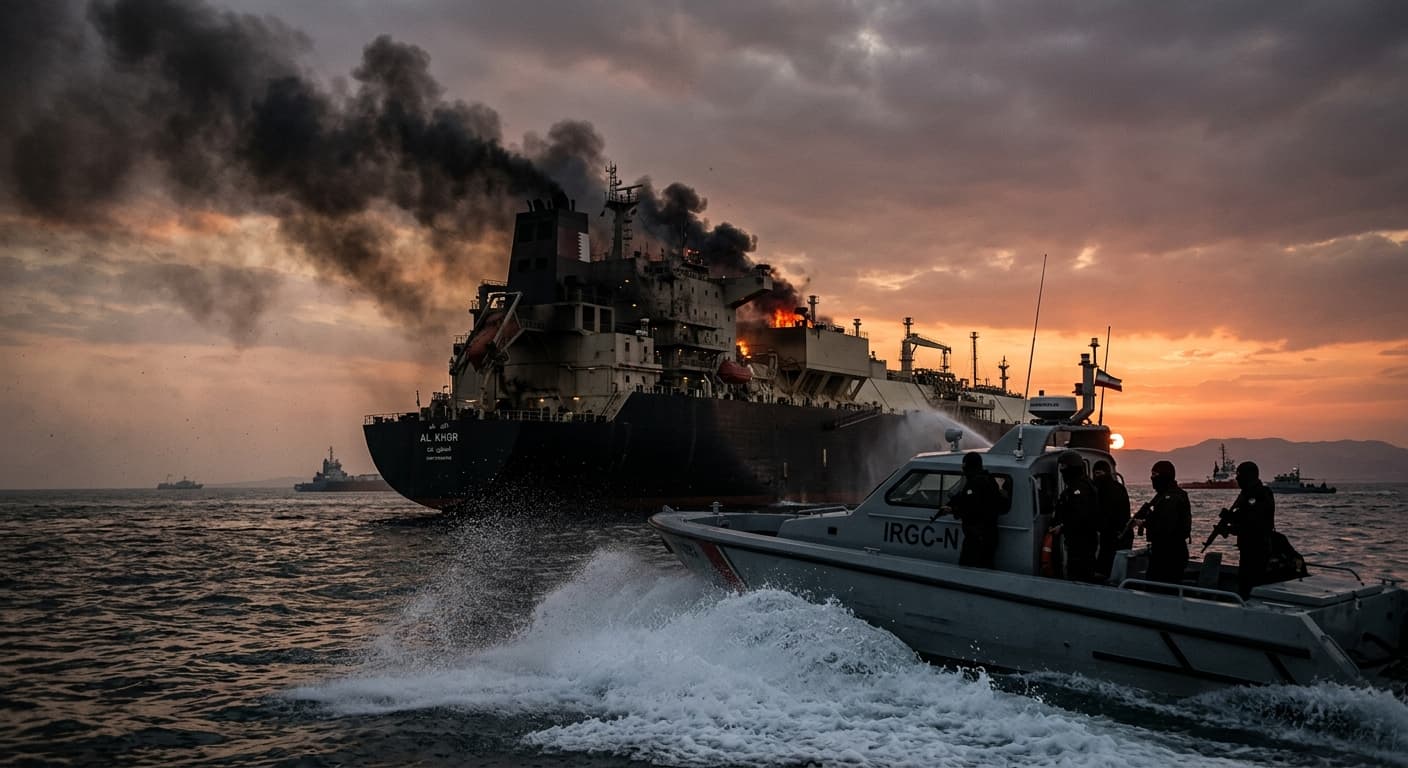
Global
Qatari Tanker Strike Exposes Hormuz Tensions
A Qatari tanker was struck off Oman, revealing the fragility of the Hormuz ceasefire and Iran's influence over maritime security.
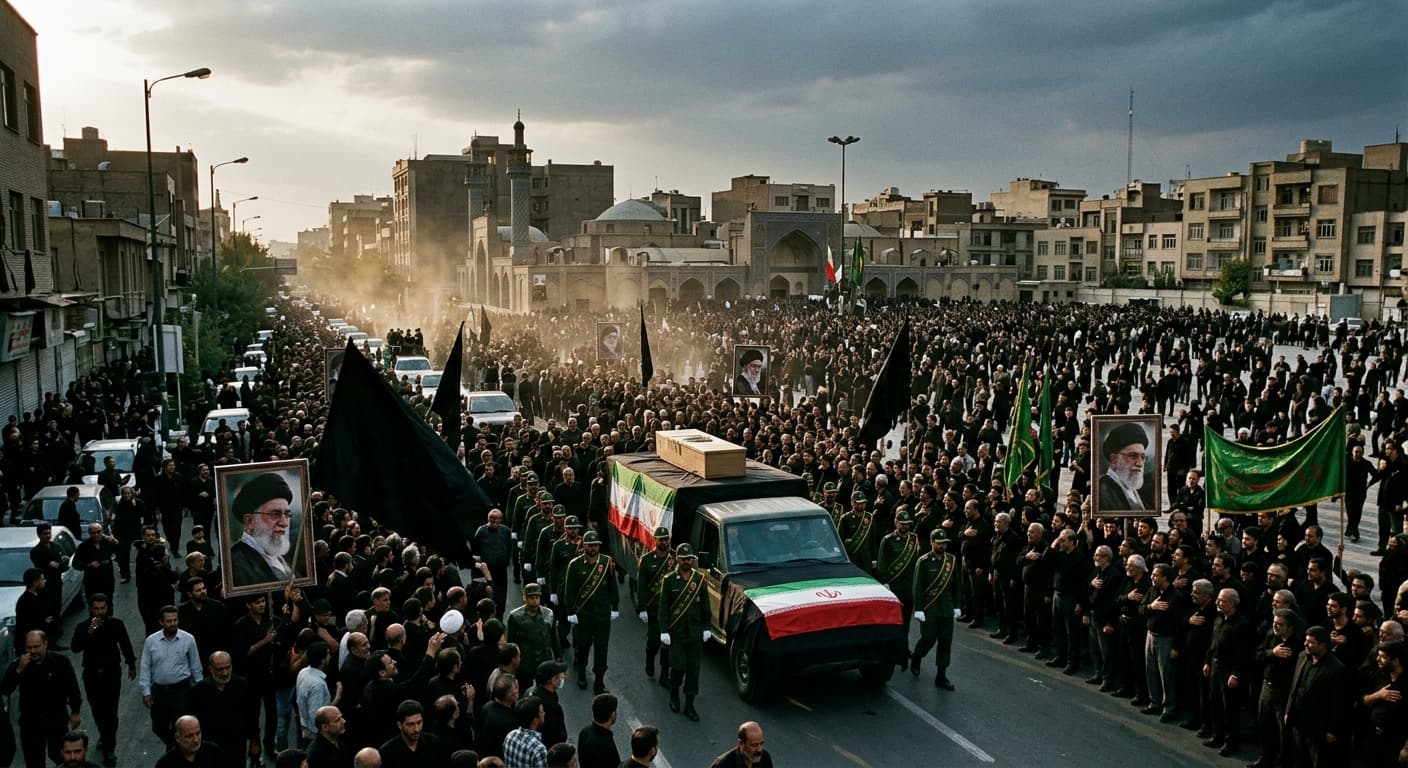
Global
Khamenei's Funeral Signals Iran's Decline
The funeral of Ayatollah Khamenei highlights Iran's diminished influence in the Gulf, with regional powers now dictating terms.
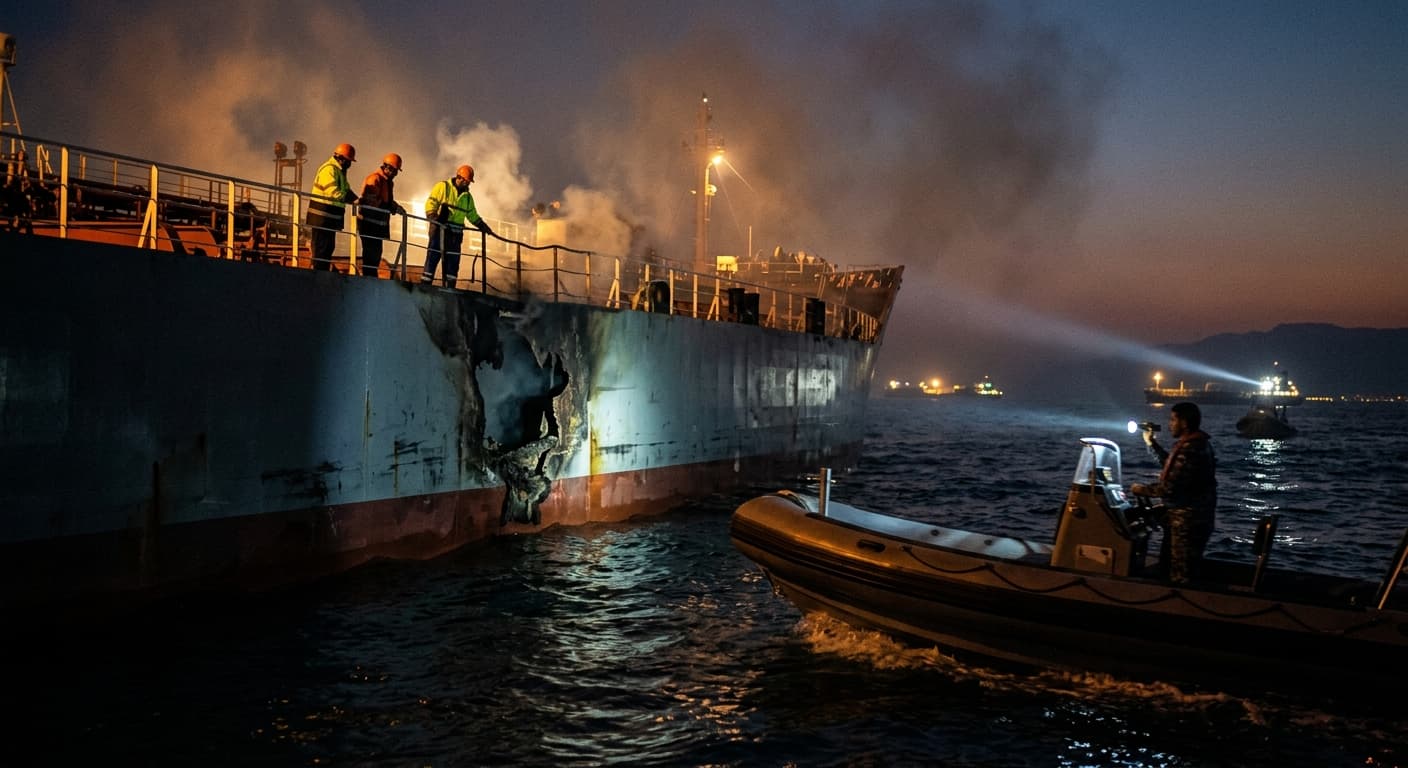
Global
Iran's Hormuz Missile Strikes: A Toll Booth
Iran's missile attack on a Qatari-linked tanker highlights Tehran's strategy to control the Strait of Hormuz, impacting Gulf states and maritime law.
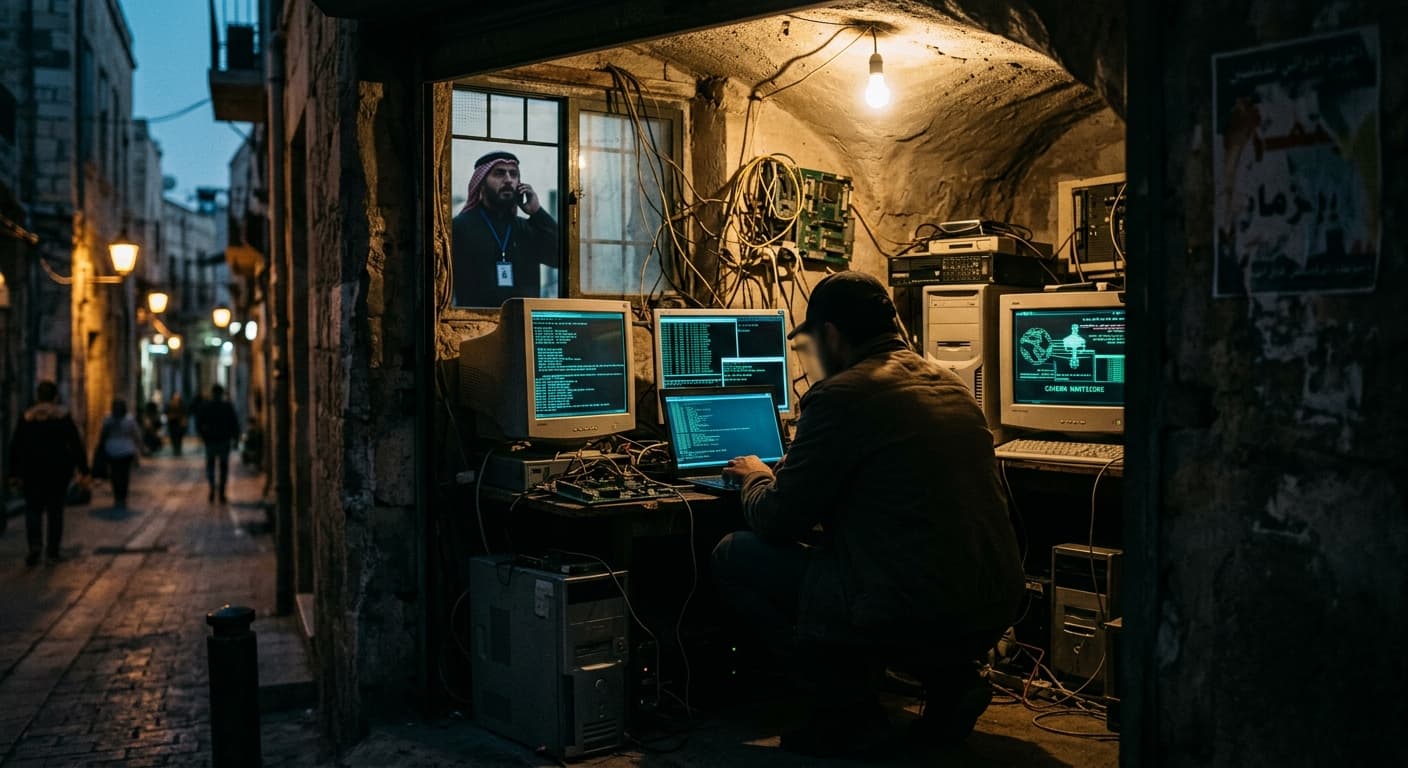
Tech Policy
Iran's Cavern Manticore Targets Israel's IT
Cavern Manticore, an Iran-linked hacking group, targets Israeli IT vendors, prompting a shift in Israel's cybersecurity policy and legislative efforts.