U.S. Closes Gaza Coordination Hub Amid Failur
Washington's Gaza mission ends as leverage diminishes.
Model Diplomat3 min readMiddle East

U.S. Pulls Plug on Gaza Hub as Trump Plan Loses Leverage
Washington is shutting the CMCC because it could not turn ceasefire leverage into aid access, governance, or donor money in Gaza.
The United States is preparing to close the Civil-Military Coordination Centre, its flagship Gaza mission, Reuters reported on May 1, a sign that Washington’s Gaza architecture has lost its utility before it delivered a political outcome. The CMCC was the U.S.-led hub for coordinating humanitarian access and supporting post-war planning in Gaza. Reuters
Reuters
Why Washington is retreating
The power problem was always clear: Israel controlled access and security, Hamas controlled the disarmament question, and donors controlled reconstruction money. The CMCC gave Washington a coordination platform, but not enough leverage over any of those three veto players.
By January, Reuters reported that several European governments were already reconsidering their presence at the CMCC, with diplomats saying it had failed to increase aid flows or drive political change. Days later, the U.S. began reshuffling the mission’s leadership, including replacing its top military commander and losing its senior civilian lead, Steve Fagin, back to his Yemen post. Reuters
Reuters
The deeper failure was sequencing. Trump’s plan depended on Hamas disarmament, further Israeli withdrawal, and an internationally backed administration for Gaza. But donors were reluctant to fund reconstruction without disarmament first and pushed for any money to be managed through the UN, not a U.S.-run “Board of Peace.” Reuters reported in February that no major pledges had been made. In March, Reuters said the Iran war had paused the disarmament track entirely. Reuters
Reuters
Reuters
Who benefits, who loses
Israel benefits first. Closing the CMCC reduces pressure to route Gaza policy through a multinational U.S.-run mechanism and leaves more decisions in bilateral U.S.-Israeli channels. Israel has already shown it can unilaterally tighten access: in February, it closed Gaza crossings, including to humanitarian aid workers, during the Iran escalation. Reuters
Hamas also benefits, in narrower terms, because a mechanism built to supervise its political eclipse is being dismantled before disarmament was agreed. Reuters reported in March that Trump’s peace board had only just handed Hamas a formal disarmament proposal, underscoring how far the process still had to go. Reuters
The losers are Palestinians in Gaza, European partners, and the U.S. itself. Six months into the ceasefire, AP reported that aid access was still limited through a single Israeli border crossing, while major reconstruction and governance questions remained unresolved. The CMCC’s closure removes one coordination layer without solving the underlying access problem. AP News
What to watch next
Watch three decisions. First, whether Washington replaces the CMCC with a smaller bilateral military channel focused only on aid deconfliction. Second, whether Cairo and Doha can restart disarmament talks after the Iran-war pause. Third, whether donors insist even more firmly on a UN-led funding mechanism before releasing money. For readers tracking the wider International and
Conflict picture, the key point is simple: the mission is closing because the U.S. could coordinate process, but it could not compel the actors who mattered.
Discover more
Conflict & Security
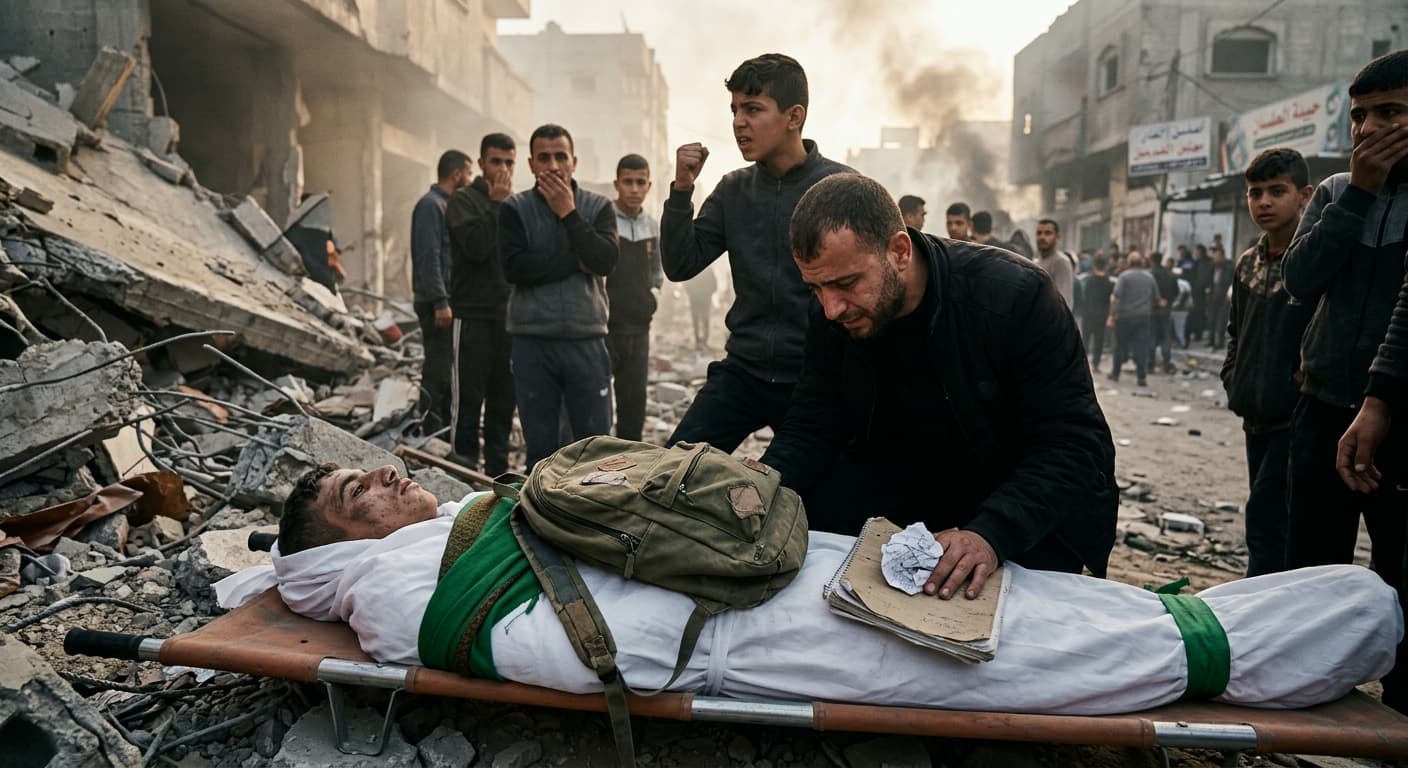
Gaza Student Killed in Israeli Strike
A 17-year-old student was killed in an Israeli strike in Gaza amid ongoing ceasefire violations, underscoring the fragile truce and mounting civilian toll.

International Relations
France’s Flotilla Probe Signals European Rift
France's war crimes probe into Israel over the Gaza aid flotilla marks a significant diplomatic shift, signaling a widening rift in European relations.
International Relations
US Reinstates Sanctions on Albanese
Washington reinstates sanctions on UN rapporteur Francesca Albanese, testing the limits of free speech as her ICC and Gaza criticism draws financial penalties.

International Relations
US Re-Sanctions Francesca Albanese — Why It
The US re-sanctions UN rapporteur Francesca Albanese, applying financial pressure on Gaza critics and signaling a hardening of US foreign policy toward Israel.