US Re-Sanctions Francesca Albanese — Why It
Washington's sanctions signal pressure over Gaza criticism.
Model Diplomat3 min readNorth America
US Re-Sanctions Francesca Albanese — Why It Matters
Washington restored sanctions on the UN rapporteur after a court setback, signaling it will keep using financial pressure over Gaza criticism.
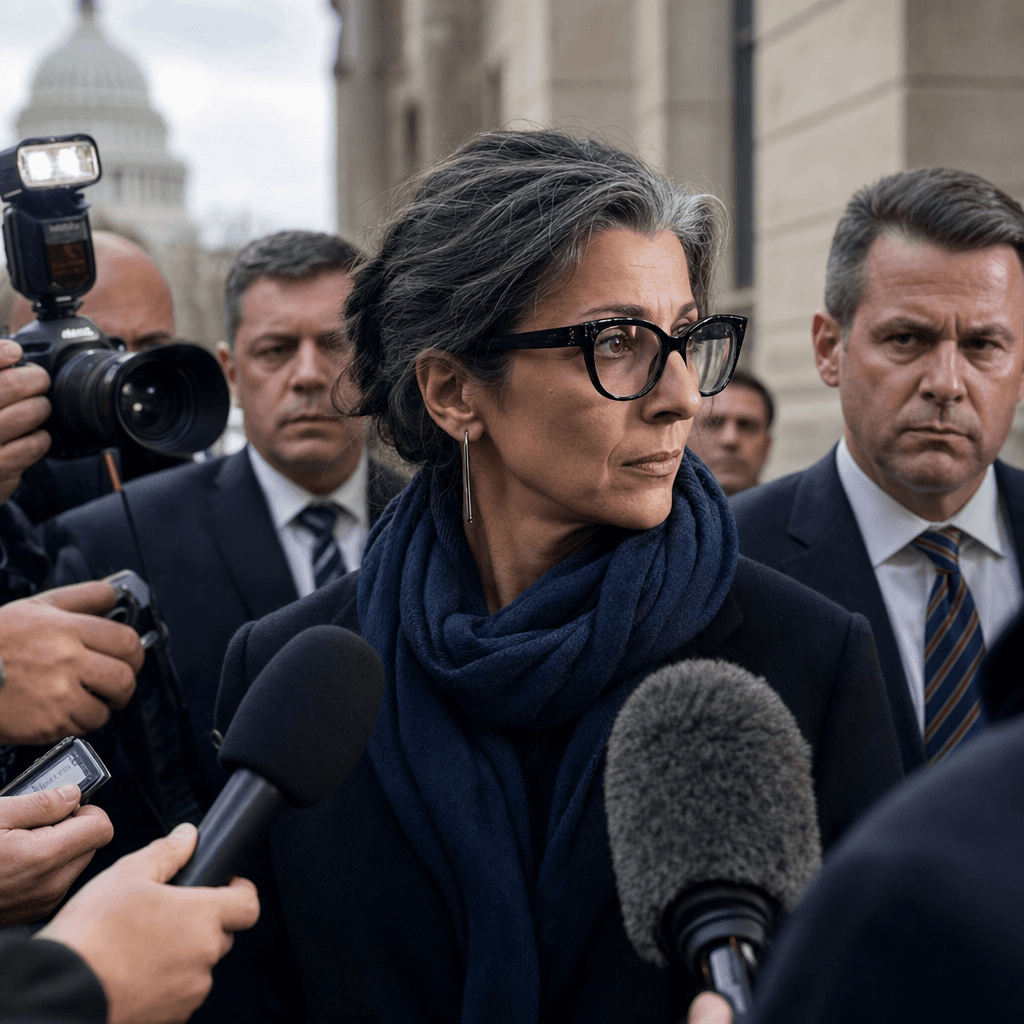
The Trump administration is testing how far it can stretch sanctions power against a UN official, and the immediate leverage still sits in Washington. Treasury quietly put Francesca Albanese back on its Specially Designated Nationals list on Wednesday, after a federal judge had temporarily blocked the designation, according to Reuters and
Al Jazeera. The move follows the administration’s public vow to restore the sanctions as soon as it could, and comes after a three-judge appeals panel issued an administrative stay that reopened the door for enforcement, Reuters reported.
Washington is using sanctions as a signaling tool
This is not just about Albanese’s finances. It is about whether the US can punish a UN special rapporteur for speech and advocacy that challenges Israel’s conduct in Gaza. Judge Richard Leon, a George W. Bush appointee, had found the sanctions likely violated Albanese’s free-speech rights and stressed that her recommendations carried no binding force on the International Criminal Court, Al Jazeera reported. Reuters added that the appeal court’s stay was procedural, not a ruling on the merits, which means the legal fight is still open even though Treasury has restored the designation for now.
That matters because sanctions are normally meant to isolate states, militias, or commercial networks. Here, Washington is using them against a UN mandate-holder. The message is broader than Albanese: critics of US and Israeli policy can now be treated as targets for financial coercion if the administration decides their advocacy crosses a line. For International Relations, that is a warning shot to UN staff, rights investigators, and NGOs that depend on US banking access and travel freedom.
Israel gains; the UN system loses room to maneuver
The political beneficiary is the US-Israel alignment. Albanese has been one of the most aggressive international voices on alleged abuses in Gaza, including reporting that drew US ire last year, Al Jazeera noted. Restoring the sanctions reinforces Washington’s preference for shielding Israel from outside legal and reputational pressure, even as the Gaza war has turned the ICC and UN rights machinery into a second front in the conflict.
The loser is the UN’s claim to independence. If a special rapporteur can be sanctioned for speaking, then the real cost is not just on one individual; it is on the credibility of the office itself. That is the point Albanese’s supporters are making in court: the US is not rebutting her findings, it is trying to deter them. Treasury has argued the sanctions are lawful; the State Department has called the litigation “baseless lawfare,” Al Jazeera reported.
What to watch next
The next decision point is the DC Circuit’s handling of the underlying injunction. If the appellate court backs Leon, Treasury will have to choose between continuing sanctions and accepting a legal limit on its discretion; if it reverses him, the administration will claim vindication and likely broaden the precedent. Watch for the court calendar, and for whether other UN or ICC-linked figures become the next targets.
Discover more
India
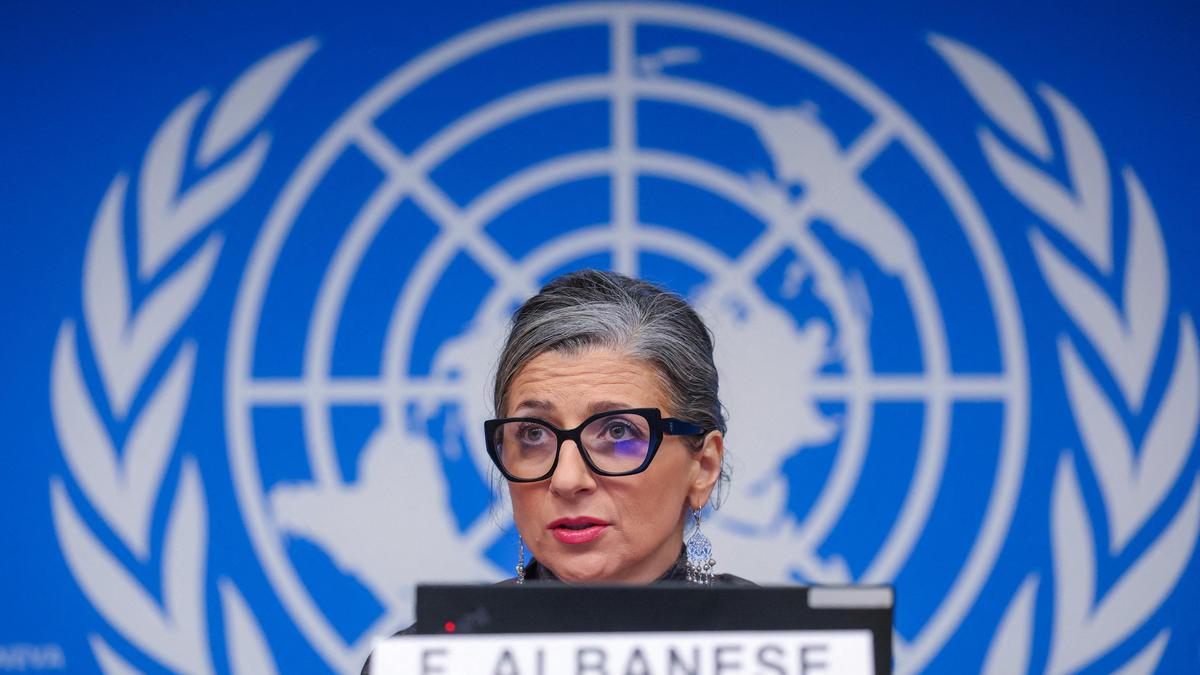
UN Expert Albanese: India Violates Law
UN Rapporteur Francesca Albanese accuses India of breaching international law, spotlighting human rights concerns in Kashmir and prompting diplomatic pushback.

Conflict & Security
Drone Warfare Killing Aid Workers at Unprec
Over 1,000 humanitarian workers killed in three years as cheap armed drones collapse legal protections. Gaza, Sudan, Ukraine, and DRC see deliberate targeting of aid convoys and hospitals with zero prosecutions.

Global
World Normalises Taliban as Afghan Women Eras
UN data shows Afghan women erased from public life as Russia recognises the Taliban, EU hosts officials in Brussels, and ICC warrants for gender persecution go unenforced.
Conflict & Security
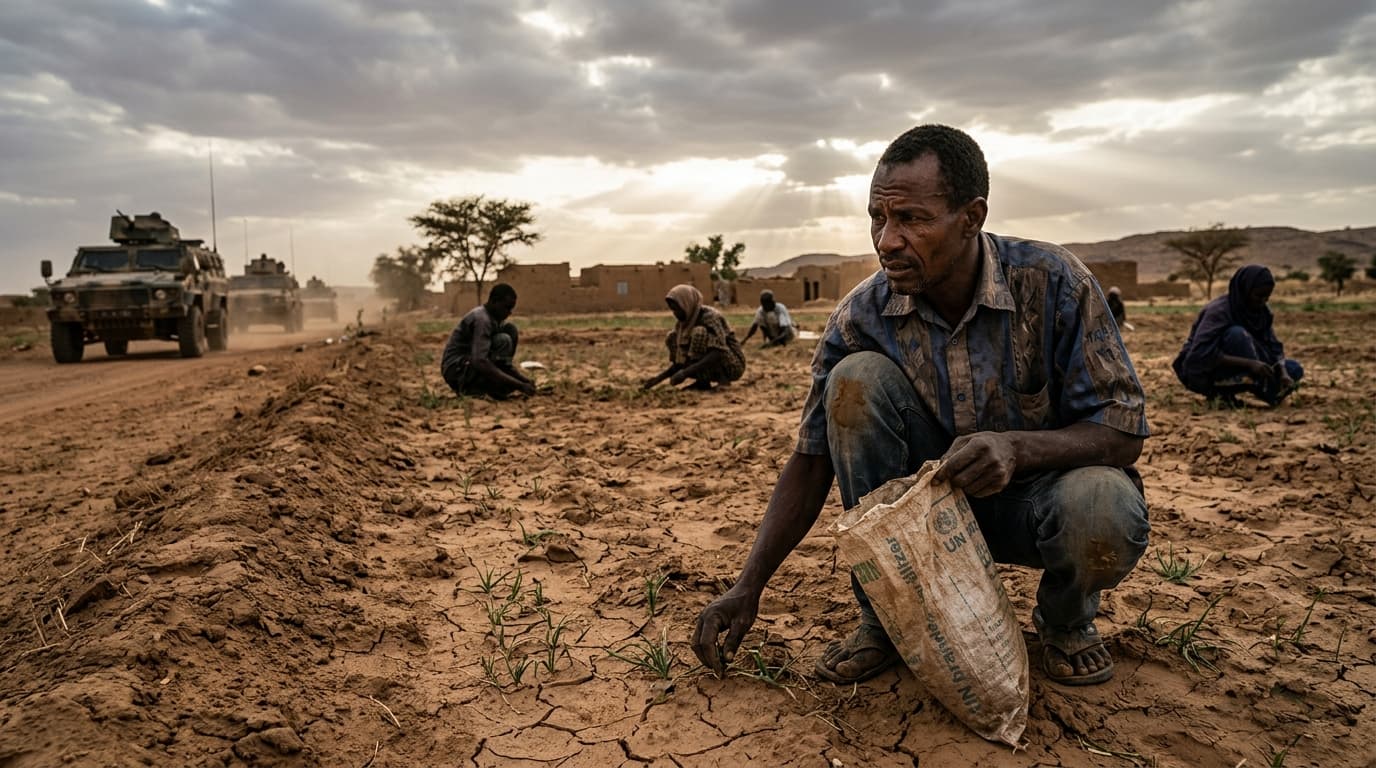
West Africa Food Crisis: Three Shocks in 2026
Conflict, climate extremes, and the Strait of Hormuz closure drive a severe food crisis in West and Central Africa, with fertilizer prices surging 80% and millions displaced.