France’s Flotilla Probe Signals European Rift
France opens war crimes investigation into Israel's actions.
Model Diplomat3 min readEurope
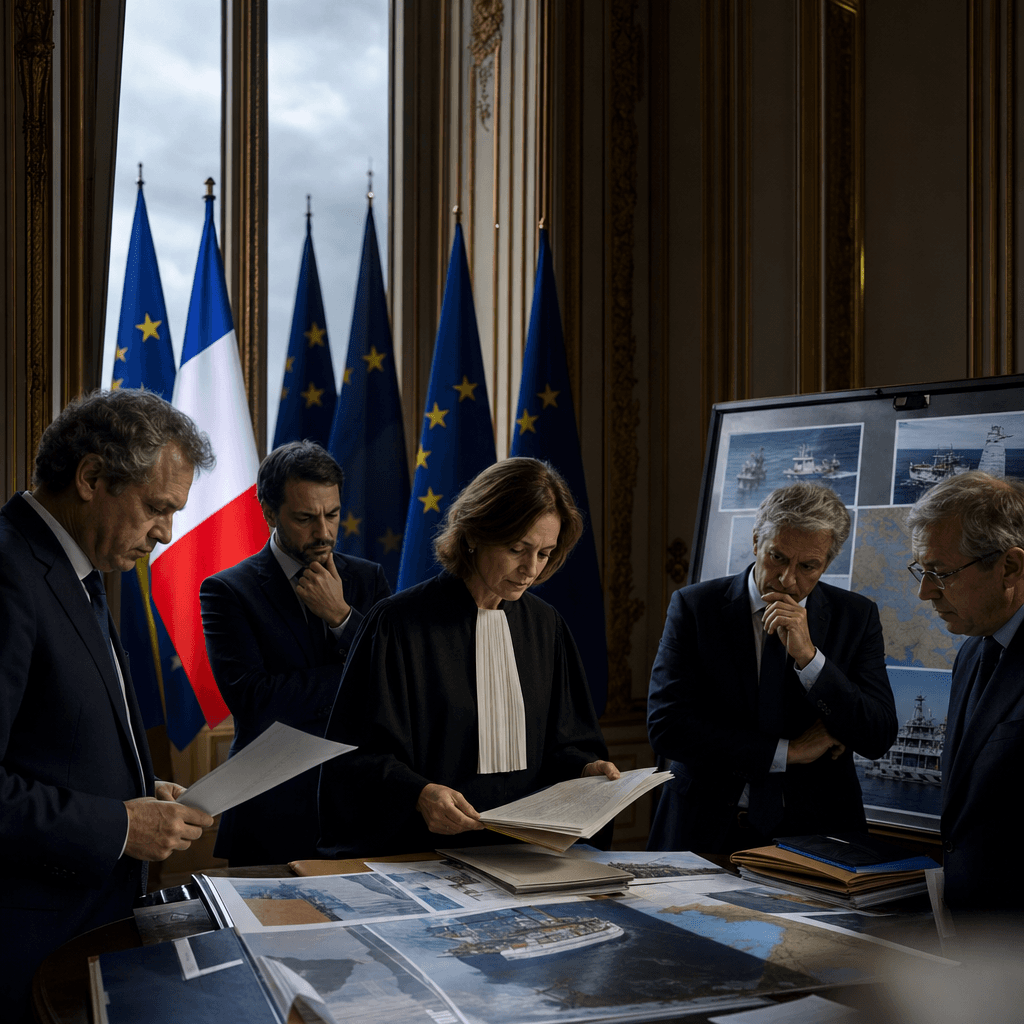
France’s Flotilla Probe Signals European Break with Israel
Paris’s decision to open a war crimes investigation into the abuse of aid activists escalates diplomatic tensions into the domestic criminal sphere.
France's national counter-terrorism prosecutor's office (PNAT) has opened a preliminary investigation into suspected "torture" and "war crimes" following Israel's military interception of a Gaza-bound aid flotilla. According to Al Jazeera, the probe is a direct consequence of a referral by French Foreign Minister Jean-Noël Barrot, who acted on detailed consular reports alleging systematic physical and sexual abuse of French citizens. By shifting this dispute from the halls of diplomacy into the realm of domestic criminal law, the French government has established a dangerous precedent for Israeli personnel operating under state sanction.
The development stems from the interception of the "Global Sumud Flotilla"—a 50-boat citizen-led coalition carrying medical and food aid that was boarded by Israeli commandos in international waters off Cyprus on May 19, 2026. Among the roughly 400 activists detained and later deported, 37 were French nationals. While Israel’s prison service dismissed the allegations of abuse as "false and entirely without factual basis," organizers and victims reported severe violence. The BBC documented allegations from returning activists who described being beaten, subjected to extreme cold, and facing at least 15 cases of sexual assault, including forced strip-searches and rape. The graphic testimonies provided by French consul officials in Turkey converted the political embarrassment of the naval raid into a formal, legal trigger for state-backed prosecution.
Domestic Pressures and the European Fracture
The decision to pursue a criminal inquiry exposes a growing rift between European capitals and Jerusalem over the limits of military action in the broader conflict. Prior to the referral, France had already taken the rare step of banning far-right Israeli National Security Minister Itamar Ben-Gvir from entering the country after he published a video showing himself taunting bound and blindfolded flotilla activists. Foreign Minister Barrot’s move serves to institutionalize public outrage, insulating the Elysee from charges of inaction while signaling to Israel that its sovereign immunity does not extend to the abuse of European passport holders.
France is not acting in isolation, and this case is quickly becoming a continent-wide test of judicial sovereignty. Italian prosecutors in Rome have opened their own investigation into allegations of kidnapping and torture involving Italian nationals from the same flotilla, as reported by Al Jazeera. By leveraging domestic legal frameworks of personal passive jurisdiction, western nations are bypassing the political gridlock typical of international tribunals. These parallel European inquiries could ultimately result in the issuance of European arrest warrants, significantly curtailing the international mobility of the involved Israeli officers and politicians.
What to Watch Next
The key indicator of escalation will be whether French prosecutors transition this preliminary probe into a formal judicial investigation, which would allow an independent judge to issue international arrest warrants. Watch for the reactions of Germany and the United Kingdom, whose citizens were also onboard and injured, according to reports in Modern Diplomacy; both countries have historically resisted criminalizing Israeli military actions. Finally, monitor whether French activists—who have so far refused to cooperate with Parisian officials due to French domestic policy toward Israel—choose to provide formal testimony to the PNAT. A decision by major EU members to coordinate their investigations would mark the most systemic shift in European-Israeli relations since the onset of the current Gaza conflict.
Discover more

International Relations
Paris Prosecutors Investigate Foreign Smear
Paris prosecutors have opened an inquiry into suspected foreign disinformation targeting left-wing candidates, raising fresh election interference fears.

Global Politics
France Bans Itamar Ben-Gvir Amid EU Pressure
France's ban on Israeli minister Itamar Ben-Gvir signals mounting EU pressure on Israel, marking a pointed diplomatic rebuke that deepens strains over its.
Conflict & Security
Macron's Kenya Summit: France's Africa Reset
Macron's Kenya summit tests France's bid to reset its Africa strategy, courting investment and partnership to rebuild influence after continental setbacks.
International Relations
Macron's Kenya Summit to Rebrand France in Af
Macron's Kenya summit is a calculated bid to rebrand France's role in Africa, reasserting relevance through diplomacy as Paris loses ground on the continent.

