Gaza Student Killed in Israeli Strike
Tragic death highlights ceasefire failures in Gaza
Model Diplomat2 min readMiddle East
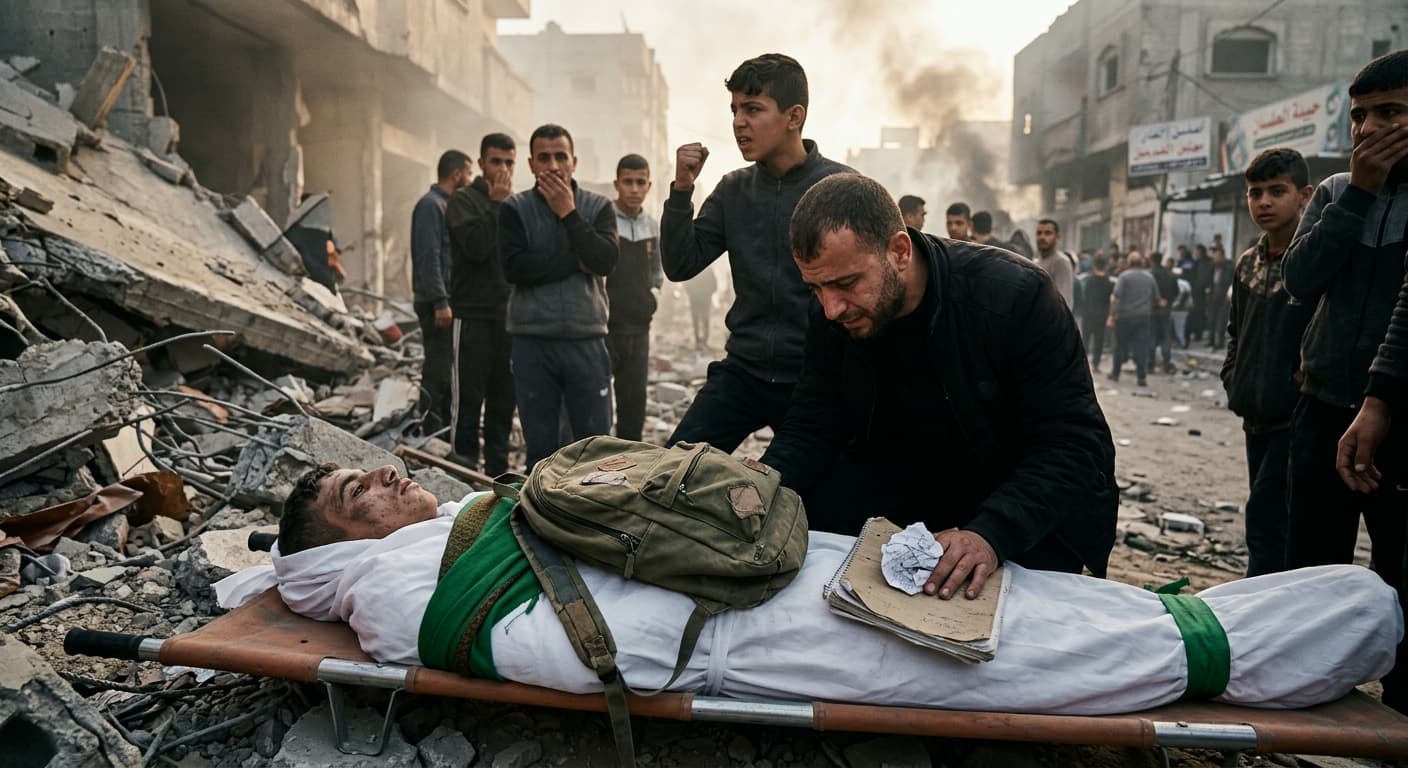
Exam-Bound Student Killed in Gaza Strike Amid Collapsing Ceasefire
Israeli military targets vehicle on exam day; death toll since October ceasefire now exceeds 1,000
Al Jazeera reported on June 23 that 17-year-old Raghad Ashour was killed in an Israeli strike in Gaza City's Rimal district while walking to school to take an examination. The strike on a vehicle also killed a paramedic and wounded four others, according to the Palestinian news agency Wafa. Eyewitnesses said the Israeli Air Force fired four missiles at the target but the vehicle's occupants escaped; Ashour, a student not in the vehicle, was struck instead.
The Israeli military said it had targeted a member of Hamas's military wing inside the vehicle, expressed "regret for any harm caused to bystanders," and claimed it "takes all possible measures to avoid civilian casualties." Blue News reported that the Palestinian Ministry of Education called the death a profound loss and urged the international community to halt strikes and protect students and schools.
The Scale of Violations
The strike underscores the hollowness of the ceasefire framework. A US-brokered truce nominally took effect in October 2025—eight months before this incident—yet more than 1,000 Palestinians have been killed since then, according to Gaza health authorities cited by Al Jazeera. The UN children's agency reported in June that Israeli forces have killed at least 265 Palestinian children during this supposed "ceasefire" period, averaging one child per day. Some children were killed indoors, at school, playing sports, or fishing—civilian spaces offering no protection.
The ceasefire agreement contemplated only a halt to major fighting. The second phase—Israeli withdrawal and Hamas disarmament—never materialized. Israeli forces have expanded rather than contracted; the military now controls 64 percent of Gaza, exceeding the 53 percent envisaged under the deal. Reconstruction has stalled. The pattern is clear: Israel retains military initiative, targets individuals it designates as combatants, accepts civilian losses as incidental, and faces no enforcement mechanism.
What Comes Next
The killing of a student en route to an exam will not shift the ceasefire's trajectory. Neither will Palestinian education ministry statements. The mechanism for escalation exists—Hamas could resume large-scale attacks—but absent external pressure (from the United States, primarily, which brokered the original truce), neither side has incentive to move. Israel continues military operations with minimal cost. Palestinian authorities document deaths and call for international intervention that does not arrive.
Watch for whether this incident triggers a response call from Washington or resuscitates diplomatic engagement. If the second phase of the ceasefire remains frozen past mid-summer, expect a new Hamas campaign to reset the board.
Discover more

Global Politics
US Seizes Iranian Ship, Tensions Surge
The US seizure of the Iranian ship Touska highlights a shift in control over the Strait of Hormuz, favoring Iran's strategic position.

International Relations
Pakistan's Key Role in US-Israel-Iran Meddle
Pakistan is seeking to mediate the US-Israel-Iran conflict, balancing high-stakes diplomacy against severe economic pressures and steep regional challenges.
India
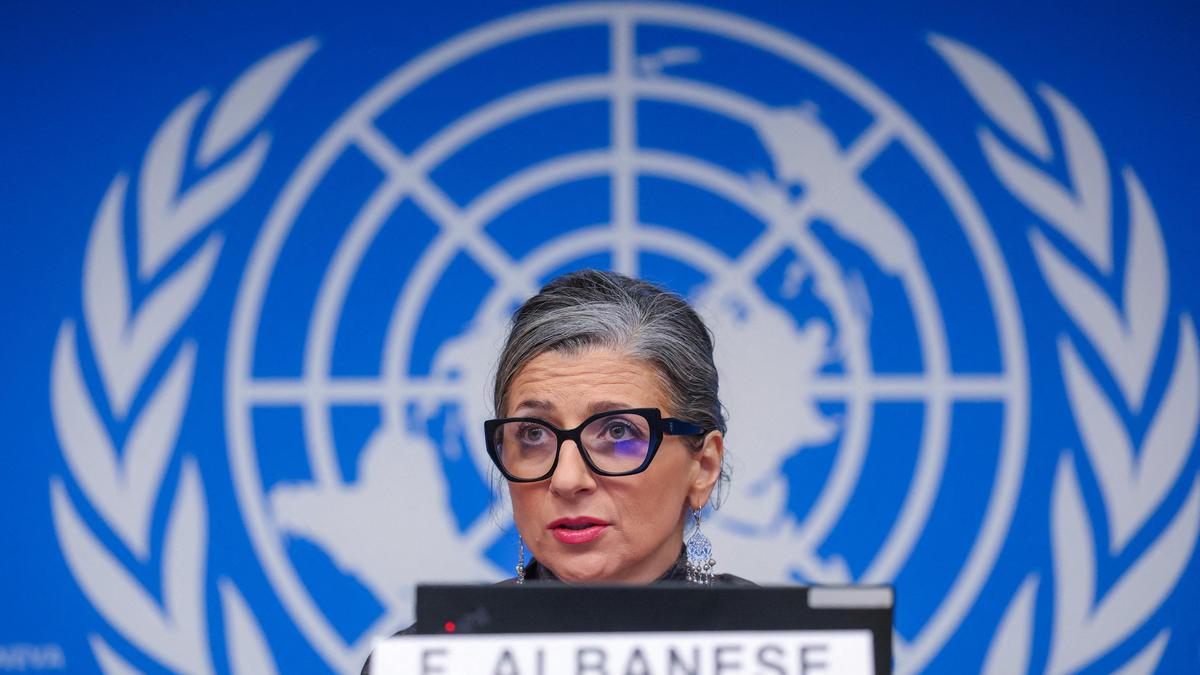
UN Expert Albanese: India Violates Law
UN Rapporteur Francesca Albanese accuses India of breaching international law, spotlighting human rights concerns in Kashmir and prompting diplomatic pushback.

Conflict & Security
Drone Warfare Killing Aid Workers at Unprec
Over 1,000 humanitarian workers killed in three years as cheap armed drones collapse legal protections. Gaza, Sudan, Ukraine, and DRC see deliberate targeting of aid convoys and hospitals with zero prosecutions.