US Reinstates Sanctions on Albanese
Sanctions signal US leverage over UN and ICC.
Model Diplomat3 min readNorth America
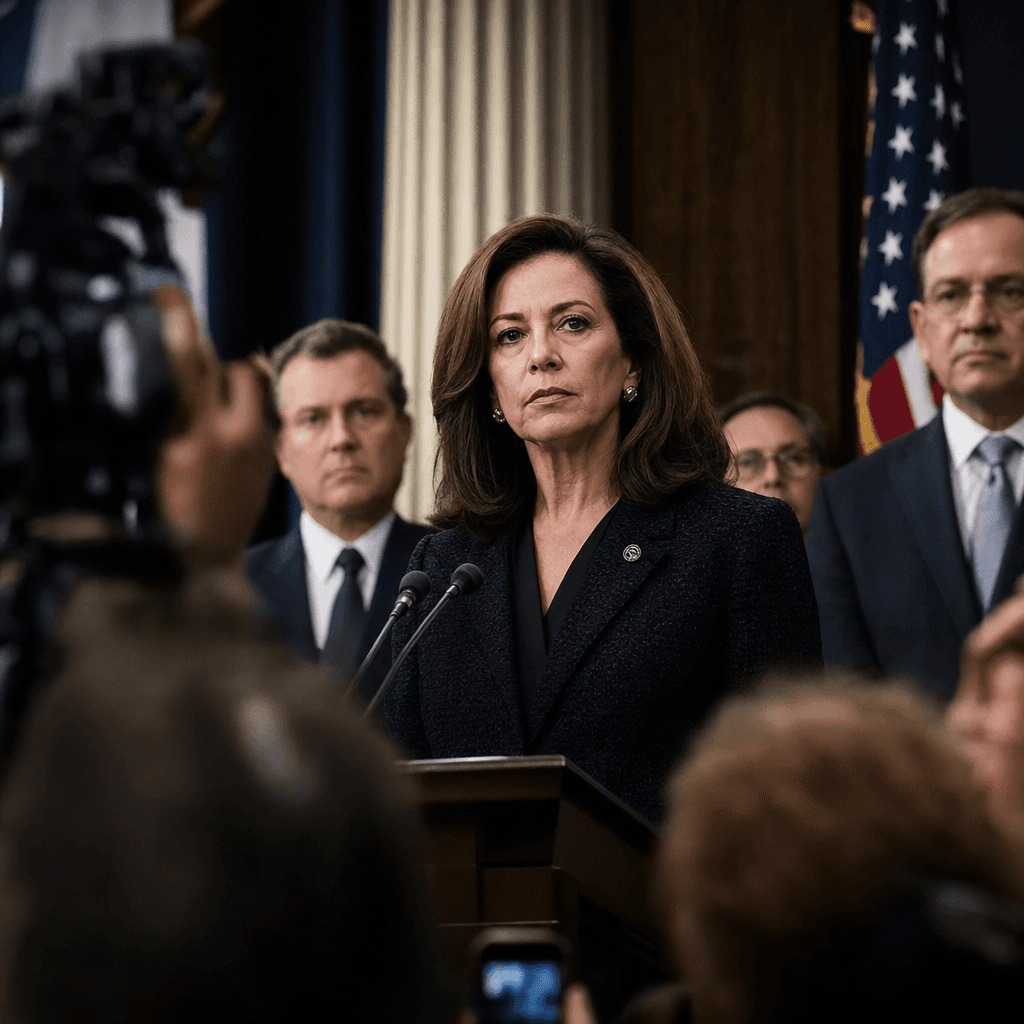
US Reinstates Albanese Sanctions in Fight Over Gaza Speech
Washington has restored sanctions on Francesca Albanese after an appeals-court stay, turning a free-speech dispute into a test of U.S. leverage over the UN and the ICC.
The Biden-era legal fight is not what matters here; the Trump administration is using sanctions to punish a UN rapporteur whose reporting cuts against U.S. and Israeli interests. On Wednesday, the Treasury Department’s OFAC database put Francesca Albanese back on the Specially Designated Nationals list, reversing the temporary removal that followed a federal judge’s injunction earlier this month, Reuters reported. Al Jazeera said the update appeared without explanation, after the administration had already told the court it would restore her name if it could,
Al Jazeera.
The real target is not Albanese alone
Albanese, the UN special rapporteur on the occupied Palestinian territory, has become a proxy in a broader confrontation over who gets to define accountability in Gaza. Washington sanctioned her in July 2025 after she urged the International Criminal Court to pursue arrest warrants for Israeli Prime Minister Benjamin Netanyahu and former defence minister Yoav Gallant, Reuters and
Al Jazeera reported. The administration’s message is clear: criticism of Israel’s conduct, when paired with international legal action, can trigger U.S. financial punishment.
That gives the White House three things at once. It protects Israel diplomatically, warns other UN officials against similar reporting, and signals to the ICC that U.S. sanctions remain available as a deterrent. It also narrows the space for Global Politics institutions that depend on cooperation from major powers even when those powers dislike the outcome.
The courts exposed the weakness in the strategy
Judge Richard Leon found in May that the sanctions likely violated Albanese’s First Amendment rights because they appeared to target the “idea or message expressed,” not any unlawful conduct, Al Jazeera reported. He also wrote that her recommendations to the ICC were “nothing more than her opinion,” a sharp reminder that Washington was trying to convert political disagreement into financial coercion,
Al Jazeera said.
But the administration moved fast once the appeals court issued an administrative stay, which allowed it to enforce the designation again while the legal fight continues, Reuters reported. That is the leverage point: not the merits of the case, but the government’s ability to inflict immediate costs before the courts finish reviewing them.
What to watch next
The next decision point is the DC Circuit appeal. If the stay holds, Albanese stays sanctioned; if it falls, Treasury may have to remove her again. Either way, the larger contest is already set: Washington is testing how far it can go in using sanctions to police speech around Israel and Gaza, while the UN system, the ICC, and countries that back them absorb the warning. For now, the U.S. has the upper hand in coercive power, even if the legal case against it remains fragile.
Watch for the next DC Circuit ruling, any fresh Treasury update, and whether other ICC-related officials are added or restored to the sanctions list.
Discover more
India
UN Expert Albanese: India Violates Law
UN Rapporteur Francesca Albanese accuses India of breaching international law, spotlighting human rights concerns in Kashmir and prompting diplomatic pushback.

Conflict & Security
Drone Warfare Killing Aid Workers at Unprec
Over 1,000 humanitarian workers killed in three years as cheap armed drones collapse legal protections. Gaza, Sudan, Ukraine, and DRC see deliberate targeting of aid convoys and hospitals with zero prosecutions.

Global
World Normalises Taliban as Afghan Women Eras
UN data shows Afghan women erased from public life as Russia recognises the Taliban, EU hosts officials in Brussels, and ICC warrants for gender persecution go unenforced.
Conflict & Security
West Africa Food Crisis: Three Shocks in 2026
Conflict, climate extremes, and the Strait of Hormuz closure drive a severe food crisis in West and Central Africa, with fertilizer prices surging 80% and millions displaced.