US Strategy Shift: Hormuz vs Iran Nuclear
Washington prioritizes Hormuz shipping crisis over nuclear talks.
Model Diplomat2 min readMiddle East
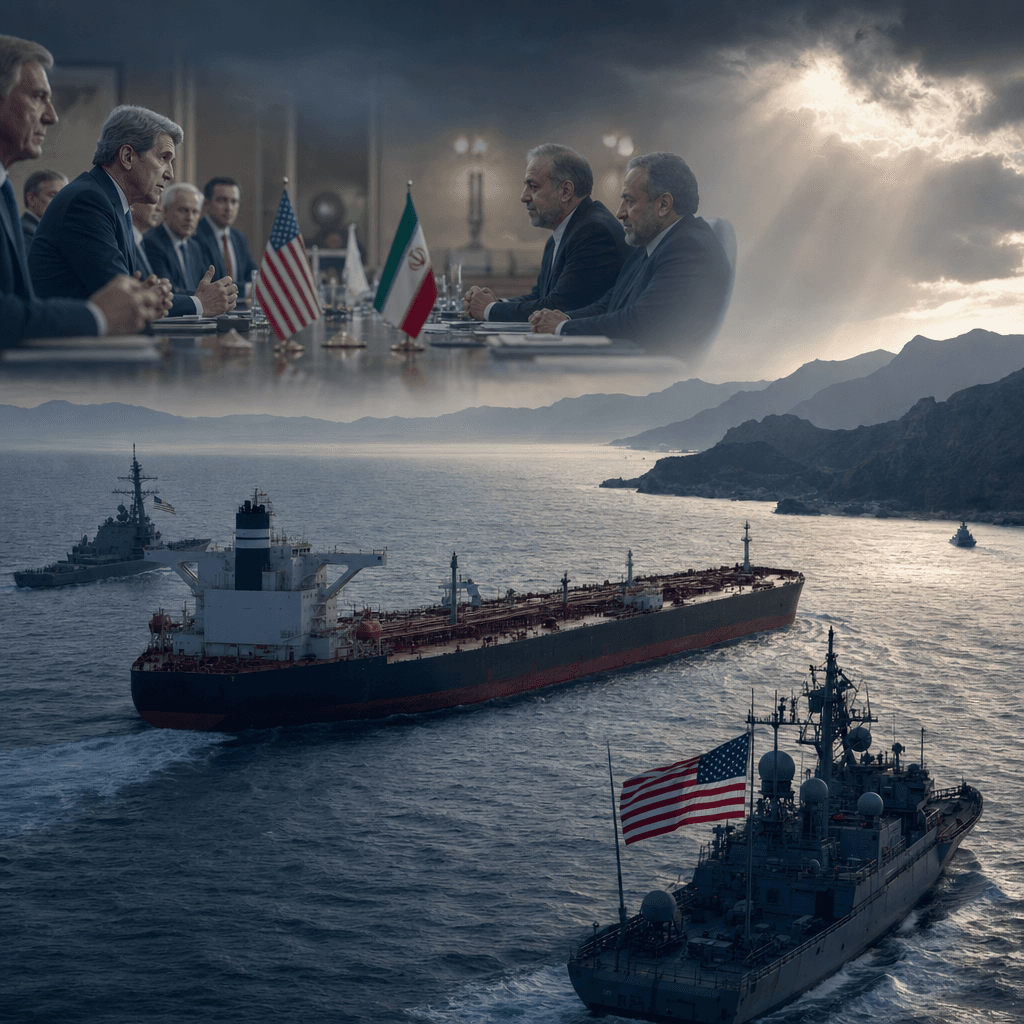
Washington Blinks on Hormuz, Not on Iran’s Nuclear File
The US is moving toward Iran’s sequencing: reopen Hormuz now, defer the nuclear fight. That preserves leverage — but shifts it toward Tehran.
The immediate leverage sits with Iran. Al Jazeera reports that the US Navy has halted escorts through the Strait of Hormuz after Pakistani mediation, while President Donald Trump says talks are moving toward a “complete and final agreement” and Marco Rubio says Washington now wants a memorandum for future negotiations. That is a tactical concession to Tehran’s core demand: separate the shipping crisis from the nuclear file. Al Jazeera,
Al Jazeera
Why the sequencing matters
This is not just diplomatic choreography. The Strait of Hormuz carries about one-fifth of global oil and gas flows, and Reuters reported in March that shipping through the waterway had effectively ground to a near halt as the conflict escalated, driving tanker costs to record highs and pushing Brent sharply higher. In other words, the shipping lane is the pressure point; the nuclear talks are the bargaining chip. Reuters,
Reuters
That gives Tehran a simple play: keep the maritime crisis alive until Washington agrees to talks on more favorable terms. It also explains why Gulf states and commercial shippers benefit most from any pause in escort operations. They need lower insurance costs and uninterrupted traffic more than they need a clean legal victory in the nuclear dispute. For a broader diplomatic lens, see Global Politics.
What Washington gains — and gives up
The US still keeps a face-saving distinction: Rubio says the offensive stage of “Epic Fury” is over, not that the nuclear issue has been settled. That matters because Washington is not conceding enrichment rights or sanctions relief up front. But by pausing escorts first, it is implicitly admitting that immediate control of Hormuz is more urgent than forcing Iran to start with nuclear constraints. Al Jazeera,
Al Jazeera
The losers are the hardliners who wanted the reverse order: nuclear first, shipping later. That camp included US officials who told Reuters in late April that accepting an Iranian plan to reopen Hormuz before addressing the nuclear issue would weaken US leverage. This move suggests that leverage is now being redefined by market pressure, not by negotiating theory. Reuters
What to watch next
The next decision point is whether the US turns this pause into a formal deal or a temporary calm. Watch for three things: a written maritime mechanism, any UN-facing language on safe passage, and whether Washington puts the nuclear file back on the table before the end of the month. If Hormuz reopens without a parallel nuclear framework, Iran will have won the sequencing fight.
Discover more

Global Politics
US Seizes Iranian Ship, Tensions Surge
The US seizure of the Iranian ship Touska highlights a shift in control over the Strait of Hormuz, favoring Iran's strategic position.

Conflict & Security
Drone Warfare Killing Aid Workers at Unprec
Over 1,000 humanitarian workers killed in three years as cheap armed drones collapse legal protections. Gaza, Sudan, Ukraine, and DRC see deliberate targeting of aid convoys and hospitals with zero prosecutions.

Global
World Normalises Taliban as Afghan Women Eras
UN data shows Afghan women erased from public life as Russia recognises the Taliban, EU hosts officials in Brussels, and ICC warrants for gender persecution go unenforced.

Conflict & Security
West Africa Food Crisis: Three Shocks in 2026
Conflict, climate extremes, and the Strait of Hormuz closure drive a severe food crisis in West and Central Africa, with fertilizer prices surging 80% and millions displaced.