US Sanctions Hezbollah MPs Before Lebanon Neg
Washington targets Hezbollah's political influence in Lebanon.
Model Diplomat3 min readMiddle East
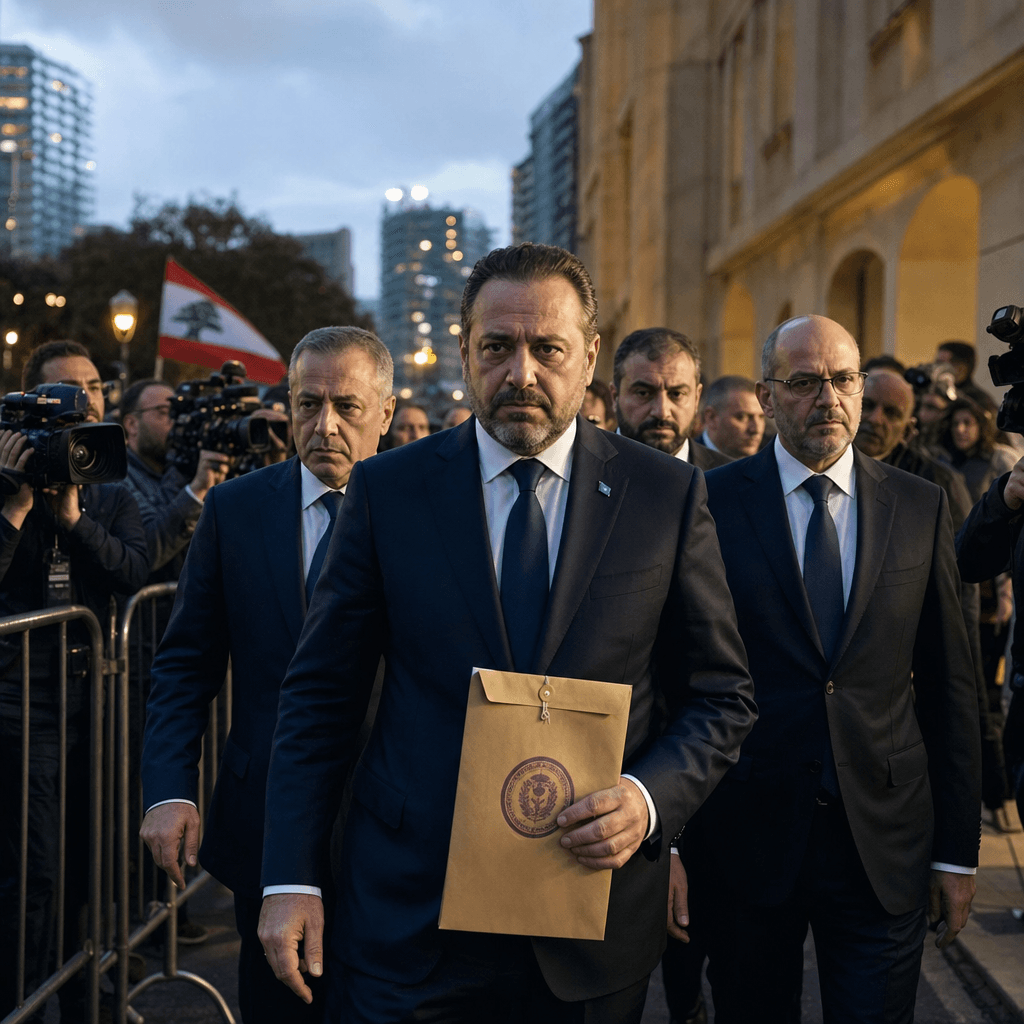
US sanctions Hezbollah MPs as Lebanon talks loom
Washington has escalated from pressuring Hezbollah financiers to targeting elected MPs and Lebanese security officials, tightening the squeeze before new Israel-Lebanon talks.
Washington is widening the target set from Hezbollah financiers to people inside Lebanon’s political and security apparatus. The US Treasury said it sanctioned nine people on Thursday for “obstructing the peace process in Lebanon” and impeding Hezbollah’s disarmament, including four Hezbollah figures, an Iranian diplomat-designate to Beirut, Amal-linked security officials, and two Lebanese security officers accused of passing intelligence to the group, according to Al Jazeera. Hezbollah called the move an attempt to intimidate “the free Lebanese people” and said it would have no practical effect on its strategy,
Al Jazeera reported.
The leverage is political, not just financial
This is not a routine sanctions list. It is a signal that the US now sees Hezbollah’s influence inside Lebanon’s institutions as part of the problem, not just its external financing. Treasury paired the designations with a reward of up to $10 million for information disrupting Hezbollah’s financial mechanisms, underlining that Washington is trying to choke both money and access, Al Jazeera reported. That matters because the sanctioned names include sitting parliamentarians and officials with access to state institutions: the US is trying to make proximity to Hezbollah costly for anyone who wants to remain inside the political system.
The timing points to a second objective: shaping the next round of diplomacy. US-backed political talks between Israel and Lebanon are expected to resume on June 2 and 3, with security talks scheduled for May 29 at the Pentagon between Israeli and Lebanese military representatives, Al Jazeera said. A State Department spokesperson told Al Jazeera the goal was to create “space” for good-faith talks and accused Hezbollah of trying to derail them,
Al Jazeera reported. For Washington, sanctions are the opening bid in a negotiation over who gets to define Lebanese sovereignty: the state, or Hezbollah’s armed wing.
Beirut loses room to hedge
Lebanon’s problem is that the US is no longer only pressuring Hezbollah; it is also testing whether Lebanese institutions can be separated from Hezbollah’s network. That is a direct challenge to the army and the General Directorate for General Security, both named in the sanctions announcement, Al Jazeera reported. If Washington is right, the sanctions will deter cooperation with Hezbollah inside the state. If it is wrong, they will harden the argument in Beirut that the US is punishing Lebanese institutions for the political weight of a militia it cannot quickly dislodge.
The broader backdrop is that Hezbollah is already under structural strain. A May 19 analysis from Al Jazeera said the fall of the Assad regime cut Hezbollah’s land route to Iran and that Syria’s new government has been sealing its border and breaking up smuggling networks. That means the group is under pressure on finance, logistics and diplomacy at the same time. The US sanctions add legal pressure to an existing squeeze.
Reuters, in a Haaretz live blog, also noted that Lebanese Prime Minister Nawaf Salam is continuing direct talks with Israel while saying Beirut is not seeking confrontation with Hezbollah. That is the space Washington is trying to preserve: a Lebanese government that can negotiate without being vetoed by Hezbollah, and an army that can claim monopoly over force without triggering state collapse.
What to watch next
The next decision point is June 2-3, when the political talks are due to resume, and May 29 at the Pentagon, when the military track is scheduled, Al Jazeera reported. Watch whether Beirut sends the delegation as planned, whether the army distances itself from the sanctioned officials, and whether Hezbollah escalates rhetorically or operationally to prove the sanctions changed nothing. If the talks proceed despite the pressure, Washington will have shown it can raise the cost for Hezbollah without derailing the state. If they stall, the sanctions will look less like leverage than a warning shot.
Discover more

Global Politics
US Seizes Iranian Ship, Tensions Surge
The US seizure of the Iranian ship Touska highlights a shift in control over the Strait of Hormuz, favoring Iran's strategic position.

International Relations
Pakistan's Key Role in US-Israel-Iran Meddle
Pakistan is seeking to mediate the US-Israel-Iran conflict, balancing high-stakes diplomacy against severe economic pressures and steep regional challenges.

Conflict & Security
Drone Warfare Killing Aid Workers at Unprec
Over 1,000 humanitarian workers killed in three years as cheap armed drones collapse legal protections. Gaza, Sudan, Ukraine, and DRC see deliberate targeting of aid convoys and hospitals with zero prosecutions.

Global
World Normalises Taliban as Afghan Women Eras
UN data shows Afghan women erased from public life as Russia recognises the Taliban, EU hosts officials in Brussels, and ICC warrants for gender persecution go unenforced.