US Restores Francesca Albanese to Sanctions
Financial sanctions target criticism of Israel.
Model Diplomat3 min readNorth America
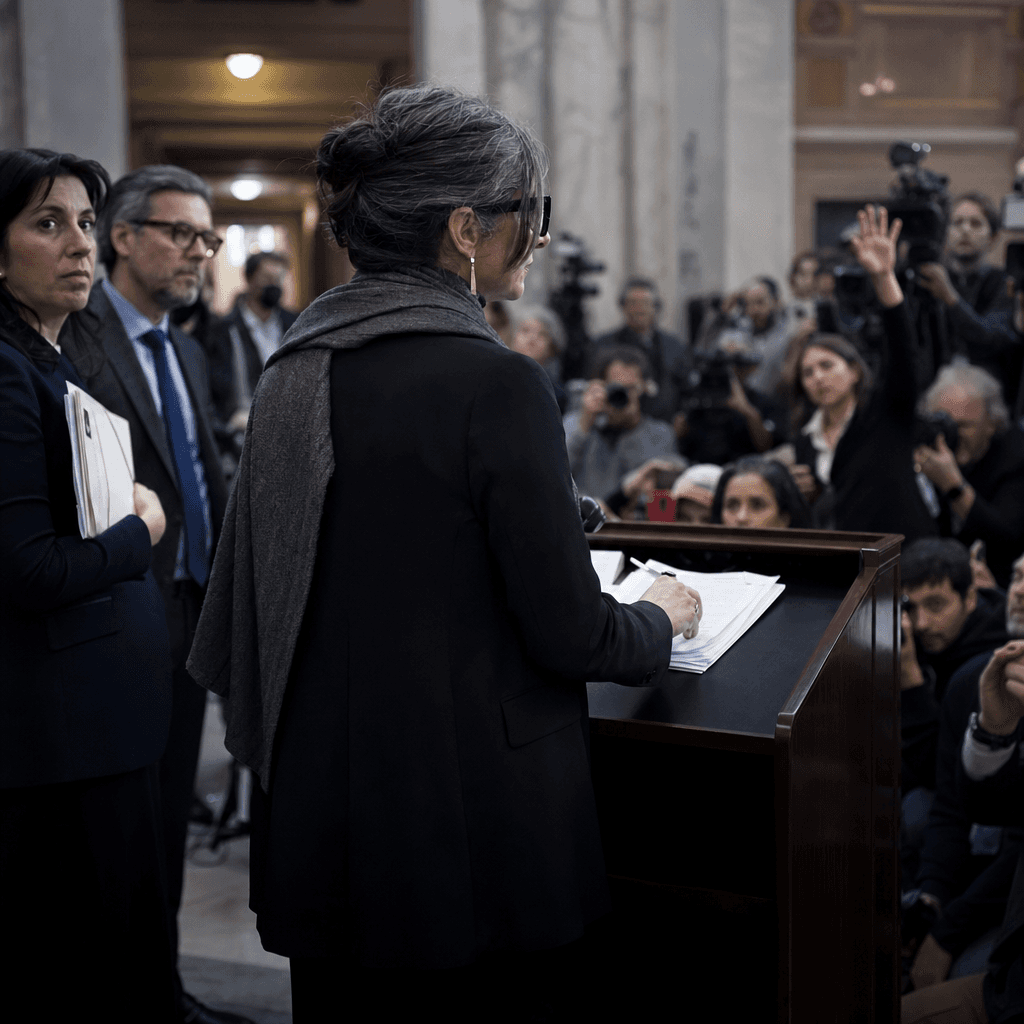
US Restores Francesca Albanese to Sanctions List
Washington is testing how far it can use financial sanctions to police criticism of Israel, while Albanese’s court fight turns into a First Amendment case.
The United States has put UN special rapporteur Francesca Albanese back on its sanctions list after a federal appeals court temporarily allowed the designation to be enforced, according to Reuters and
Al Jazeera. The move reverses the short-lived removal that followed a lower-court injunction and restores the practical pressure points that matter most: access to the US financial system, banking relationships, and travel to the United States.
Washington is using sanctions as a speech weapon
The leverage is financial, not diplomatic. Treasury’s Office of Foreign Assets Control can freeze access to US-linked banking, cut off counterparties, and make life difficult far beyond America’s borders. That is why the Albanese case matters well beyond one UN official. As Reuters reported, the Trump administration’s sanctions were originally imposed in July 2025 over her calls for the International Criminal Court to pursue Israeli officials and over her criticism of companies she said were complicit in abuses in Gaza. Judge Richard Leon then said the government appeared to be punishing protected speech rather than a binding act, a point Al Jazeera highlighted in its coverage of the earlier injunction (Reuters;
Al Jazeera).
That legal framing is the threat to the administration. If the sanctions are treated as viewpoint discrimination, then Washington’s preferred tool for pressuring critics of Israeli policy becomes harder to sustain in court. If the government wins on appeal, it gains a precedent for sanctioning international officials whose work collides with US or Israeli interests.
The bigger target is the ICC ecosystem
Albanese is not being singled out in isolation. Reuters noted that the Trump administration has also sanctioned ICC judges and prosecutors, while Al Jazeera reported that Washington has broadened penalties against figures tied to the court and Gaza-related advocacy (Reuters;
Al Jazeera). That tells you the real objective: to raise the cost of international accountability work around Israel and Gaza, not just to silence one rapporteur.
For UN officials and human-rights lawyers, the signal is simple. Publish a report, recommend prosecutions, or name companies, and you may lose access to the dollar system. For Israel, and for the Trump administration’s domestic political base, that is the point: it creates a deterrent effect that extends well beyond the individual target. It also puts institutions from European banks to universities in a defensive posture, because secondary exposure is often enough to make them cut ties.
What to watch next
The next decision point is the D.C. Circuit’s merits ruling on the injunction. If the appeals court upholds Leon, the administration will struggle to keep Albanese on the list without a stronger legal basis. If it reverses him, the White House will have a template for using sanctions against UN and ICC-linked critics with less judicial pushback. Also watch whether Treasury keeps the designation in place while the appeal proceeds — that will show whether this is a temporary legal maneuver or a settled policy line.
For policymakers tracking Global Politics, the larger lesson is that Washington is treating sanctions less as a terrorism tool and more as a broad instrument of coercive diplomacy. The Albanese case is the test case.
Discover more
India
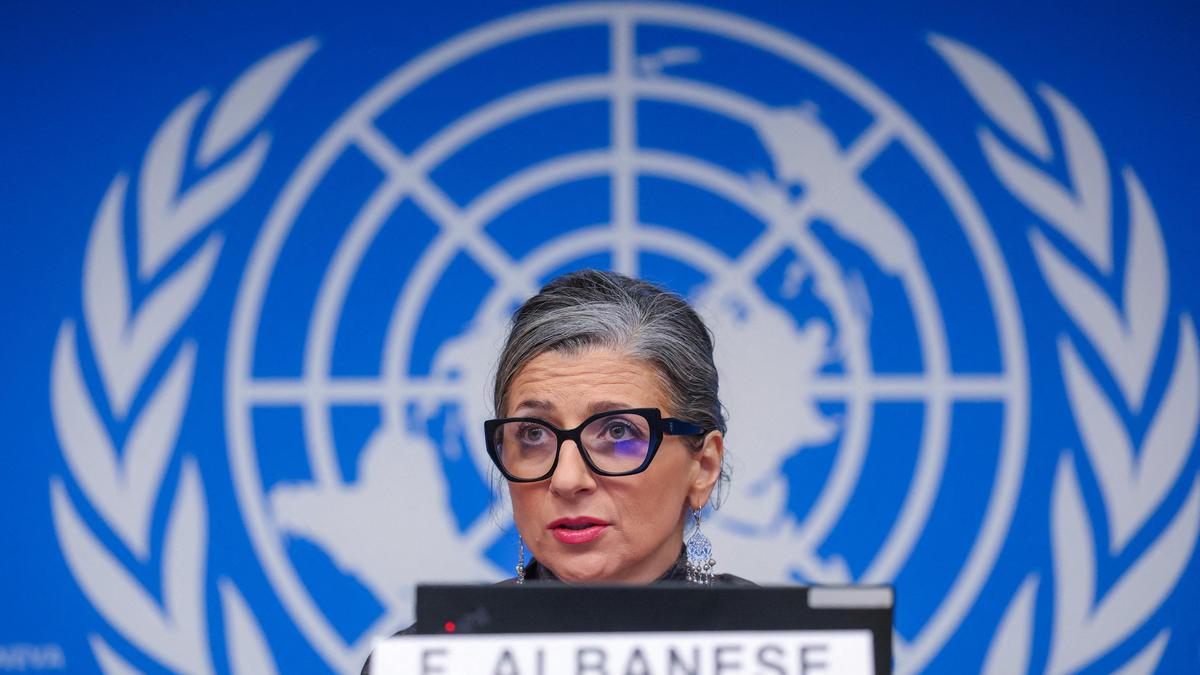
UN Expert Albanese: India Violates Law
UN Rapporteur Francesca Albanese accuses India of breaching international law, spotlighting human rights concerns in Kashmir and prompting diplomatic pushback.

Conflict & Security
Drone Warfare Killing Aid Workers at Unprec
Over 1,000 humanitarian workers killed in three years as cheap armed drones collapse legal protections. Gaza, Sudan, Ukraine, and DRC see deliberate targeting of aid convoys and hospitals with zero prosecutions.

Global
World Normalises Taliban as Afghan Women Eras
UN data shows Afghan women erased from public life as Russia recognises the Taliban, EU hosts officials in Brussels, and ICC warrants for gender persecution go unenforced.
Conflict & Security
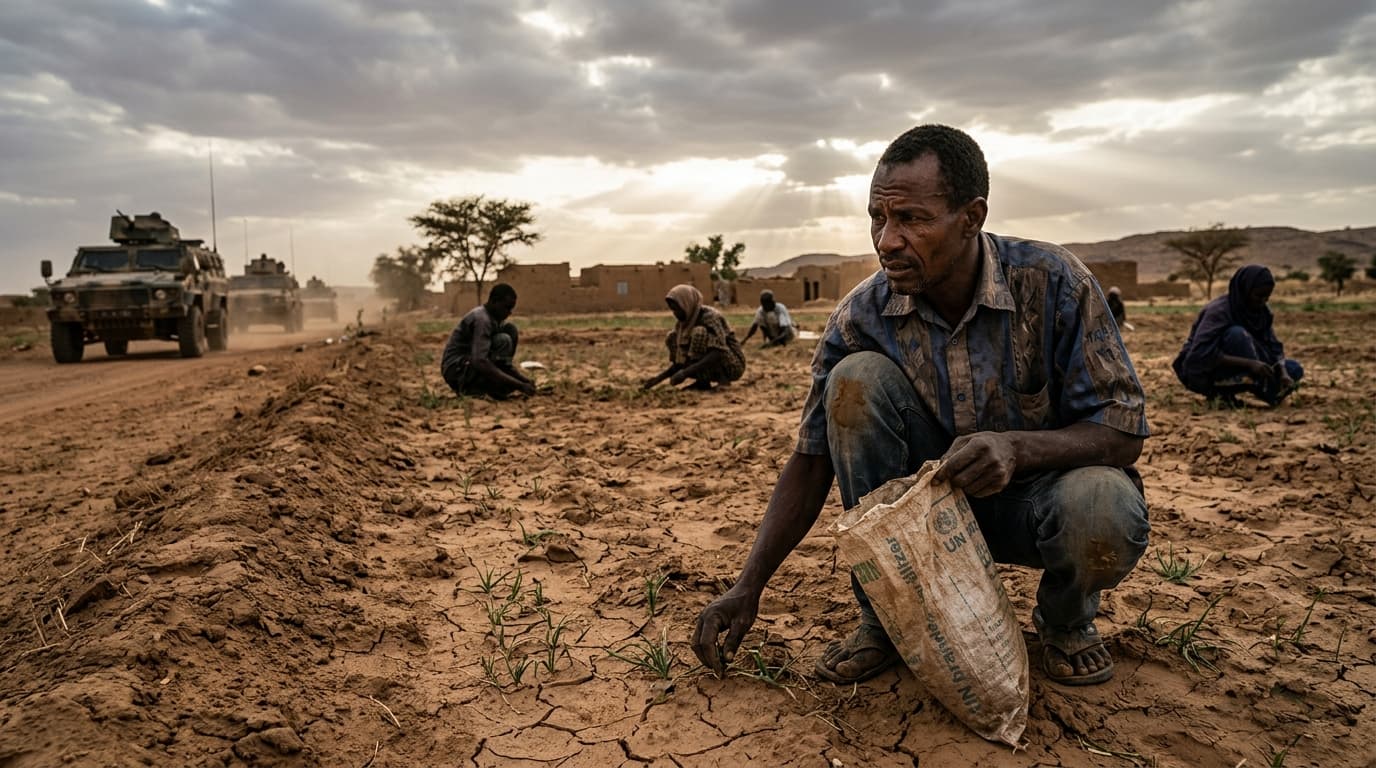
West Africa Food Crisis: Three Shocks in 2026
Conflict, climate extremes, and the Strait of Hormuz closure drive a severe food crisis in West and Central Africa, with fertilizer prices surging 80% and millions displaced.

