US Naval Blockade on Iran
Trump claims Iran conflict nearing resolution amid blockade news
Model Diplomat3 min readMiddle East

US Blockade of Iranian Ports Fully Implemented as Trump Signals War Near End
President Trump claims the Iran conflict is “very close to over” amid reports the U.S. has fully implemented a naval blockade on Iranian ports, marking a critical juncture in rising Middle East tensions.
Blockade Complete, Pressure Intensifies
The U.S. military announced that its blockade of Iranian ports is “fully implemented,” a move designed to choke off Iran’s maritime trade and cripple its economy at a pivotal moment. This latest escalation follows years of fraught U.S.-Iran relations marked by proxy conflicts, sanctions, and intermittent direct clashes. The blockade aims to prevent Iranian oil exports—one of Tehran’s main revenue streams—from reaching global markets, amplifying economic and political strain inside Iran.
President Donald Trump, in a forthcoming interview cited by The Washington Post, declared the war with Iran was “very close to over,” suggesting that this blockade might signal an imminent de-escalation or negotiated settlement. Yet, the blockade itself escalates pressure on Iran’s strategic positions in the region, including its proxies in Lebanon and its influence in Iraq.
Why This Matters: Escalation and Leverage
The full naval blockade represents one of the most aggressive U.S. actions against Iran since the post-2015 nuclear deal era. Unlike sanctions that can be circumvented by third-party actors, a maritime blockade is a direct physical barrier, raising the stakes considerably for Tehran.
Iran’s response to prior rounds of U.S. sanctions was to ramp up its uranium enrichment and proxy warfare in places like Lebanon, Iraq, and Yemen. By cutting off Iran’s port access, the U.S. aims to break this cycle by squeezing Tehran’s financial lifelines sharply. The move also serves Washington’s regional allies like Israel, which views Iranian influence near its borders as an existential threat.
However, full blockade enforcement risks wider conflict escalation. Regional shipping routes, notably the Strait of Hormuz, remain flashpoints where clashes could spark broader violence. Iran has threatened to retaliate, and proxy groups loyal to Tehran may intensify attacks on U.S. or allied forces in the region.
The timing of Trump’s claim that the war is “very close to over” might reflect confidence from ongoing diplomatic back channels or a strategic framing to manage public perception while military pressure peaks.
What to Watch Next
The immediate question is how Iran and its regional allies respond. Potential flashpoints include:
- Attempts to breach or circumvent the blockade via smuggling or shadow shipping networks.
- Proxy attacks on U.S. forces or shipping in the Gulf or Mediterranean.
- Diplomatic efforts for a negotiated de-escalation or renewed talks over Iran’s nuclear program.
For Washington, the blockade’s efficacy will be measured by Iran’s economic strain and willingness to return to diplomatic negotiations. Yet, the risk of an unintended clash remains high, requiring tight coordination with allies and clear communication channels with Tehran.
This development also has broader implications for the Middle East’s security architecture, potentially drawing in actors from Lebanon’s Hezbollah to maritime trade partners wary of Gulf instability.
In sum, the full implementation of the U.S. naval blockade on Iranian ports marks both the climax of years-long tensions and a pivotal moment that could shift the trajectory of U.S.-Iran confrontation. Whether it leads to a swift end to hostilities or a deeper regional crisis will depend largely on Iran’s next moves and the robustness of diplomatic efforts behind the scenes.
For ongoing analysis of Iran, the U.S., and Middle East geopolitics, see Global Politics and country profiles like
United States and
Iran.
US blockade of Iranian ports fully implemented as Trump says war “very close to over”
Discover more

Global Politics
Day 47 of US-Iran Conflict
On day 47 of the US-Iran conflict, Red Cross aid reaches Iran as military strikes continue, underscoring a tangled humanitarian and geopolitical crisis.
US Politics
House Rejects Resolution on Trump's Iran Host
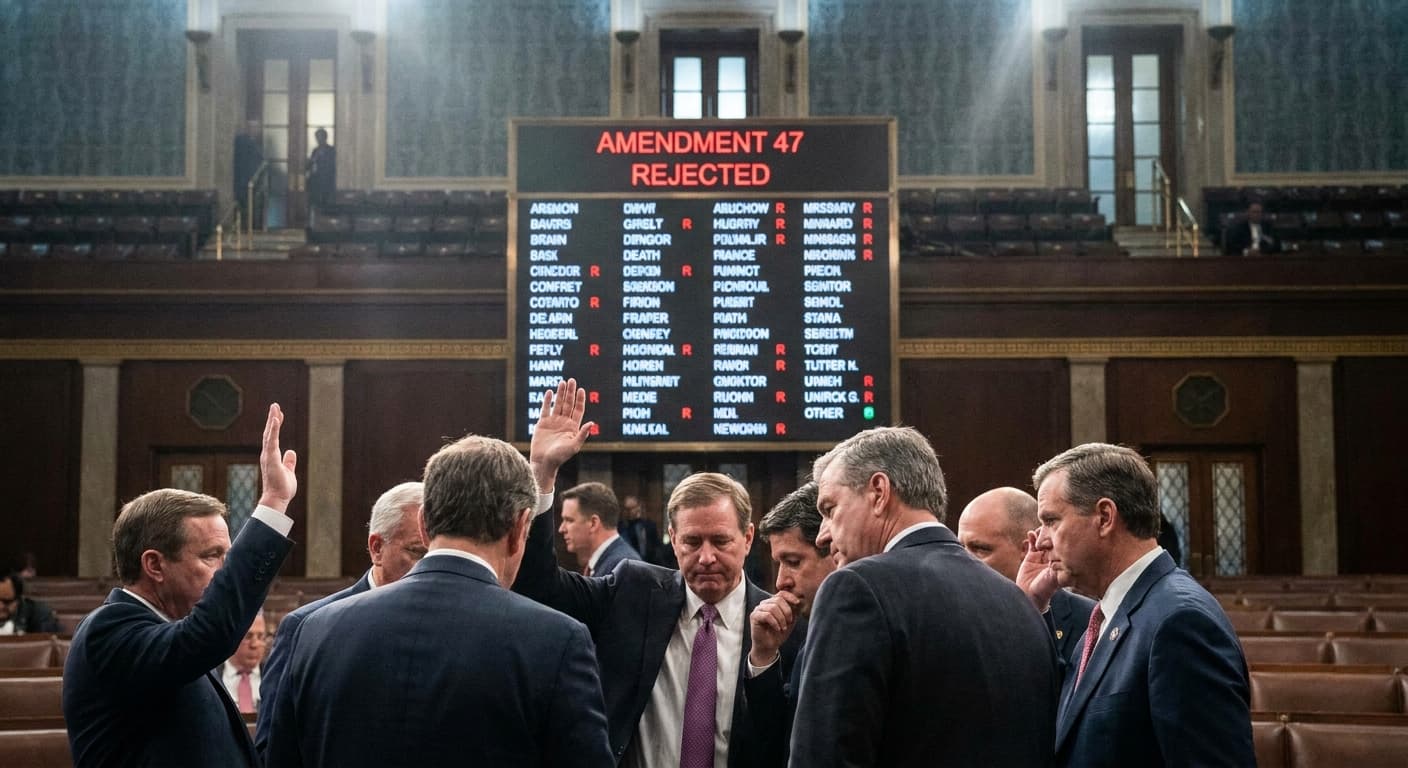
The House voted down a resolution to limit Trump's military actions in Iran, laying bare partisan divides and reigniting debate over presidential war powers.

US Politics
House Vote on Trump Iran Strikes Reveals Divs
The House narrowly declined to block Trump from striking Iran, a close vote that laid bare deep partisan divides over war powers and U.S. military action.

Economics
Fed's Amex AML order puts correspondent banking on notice
Federal Reserve's Amex AML order requires board-level controls and a 90-day plan; OCC fined the bank $350 million over enterprise-wide deficiencies.