U.S. Narrows Russia Oil Waiver, India Exposed
India faces increased risks from U.S. sanctions on Russian oil.
Model Diplomat3 min readAsia
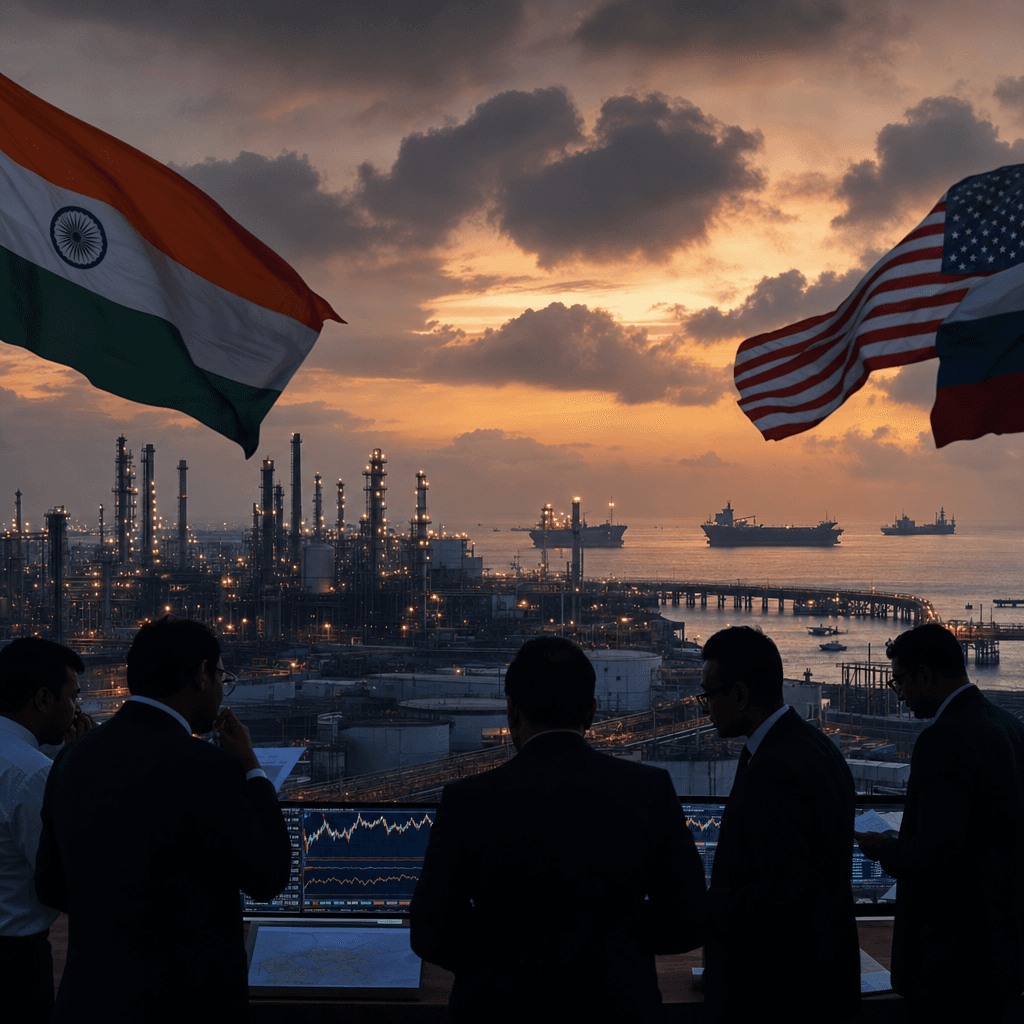
U.S. Narrows Russia Oil Waiver, and India’s Buffer Shrinks
Washington has turned a narrow sanctions carve-out into a short fuse, leaving India more exposed to Hormuz risk, freight costs and oil-price shocks.
The U.S. is no longer treating the Russia-oil waiver as a broad pressure-release valve. Treasury Secretary Scott Bessent said Washington would extend relief only for Russian crude already loaded on tankers and only until June 17, a stop-gap meant to keep oil moving while the Middle East crisis lifts prices, according to Al Jazeera and
BBC. That matters for India because Russian barrels have been doing more than saving money; they have been covering strategic risk when the Strait of Hormuz and Red Sea routes become unreliable, as The Hindu argues in its lead analysis
The Hindu.
Washington is using supply as leverage
The White House has two objectives here: keep sanctions on Russia intact, and avoid a crude-price spike that would hit everyone else. That is why the waiver is narrow — it covers stranded cargoes, not new trade — and why U.S. officials have framed it as emergency market management rather than a policy reversal, Al Jazeera reported. The practical effect is leverage: Washington can signal toughness on Moscow while keeping an escape hatch for allies and energy-importing economies.
For India, that is a familiar but uncomfortable position. New Delhi says it bought Russian oil before the waiver, during it, and after it, and that “waiver or no waiver” it will keep supplies flowing, according to Al Jazeera. But the fact that the U.S. is narrowing the carve-out shows where the pressure is coming from: not from tankers alone, but from the American sanctions system and the threat of future enforcement.
India’s real vulnerability is not Russia, it is chokepoints
The bigger story is exposure. The Hindu notes that the Strait of Hormuz carries nearly one-fifth of global oil trade and that a large share of India’s crude and LPG imports depends on those waters The Hindu. BBC put the structural point bluntly: India imports about 90% of its crude, and around half of that — roughly 2.5 million to 2.7 million barrels a day — moves through Hormuz from Gulf suppliers
BBC. In that setting, Russian oil is not just a discount; it is a hedge against route disruption.
That hedge is partial. The Hindu’s prescription is the right one: expand strategic reserves, diversify sourcing, improve refinery flexibility, build gas infrastructure and accelerate alternatives The Hindu. On
India, the policy question is not whether New Delhi can keep buying Russian crude in the short term. It is whether it can do so without making its energy security hostage to either U.S. sanctions design or Gulf instability.
What to watch next
The next decision point is June 17, when the current U.S. waiver expires Al Jazeera. Watch three things: whether Washington extends only the same narrow cargo exception again; whether Indian refiners quietly trim Russian buying to avoid compliance risk; and whether Middle East shipping disruption keeps lifting freight and insurance costs. If the waiver tightens further while Hormuz stays shaky, India will face a simple but costly choice: pay more for certainty, or keep betting on fragile discounts.
Discover more

Global Politics
US Seizes Iranian Ship, Tensions Surge
The US seizure of the Iranian ship Touska highlights a shift in control over the Strait of Hormuz, favoring Iran's strategic position.

Conflict & Security
Drone Warfare Killing Aid Workers at Unprec
Over 1,000 humanitarian workers killed in three years as cheap armed drones collapse legal protections. Gaza, Sudan, Ukraine, and DRC see deliberate targeting of aid convoys and hospitals with zero prosecutions.

Global
World Normalises Taliban as Afghan Women Eras
UN data shows Afghan women erased from public life as Russia recognises the Taliban, EU hosts officials in Brussels, and ICC warrants for gender persecution go unenforced.
Conflict & Security
West Africa Food Crisis: Three Shocks in 2026
Conflict, climate extremes, and the Strait of Hormuz closure drive a severe food crisis in West and Central Africa, with fertilizer prices surging 80% and millions displaced.