US Munitions Stocks Tightening After Iran War
Examining the impact of munitions shortages on US defense strategy
Model Diplomat3 min readNorth America
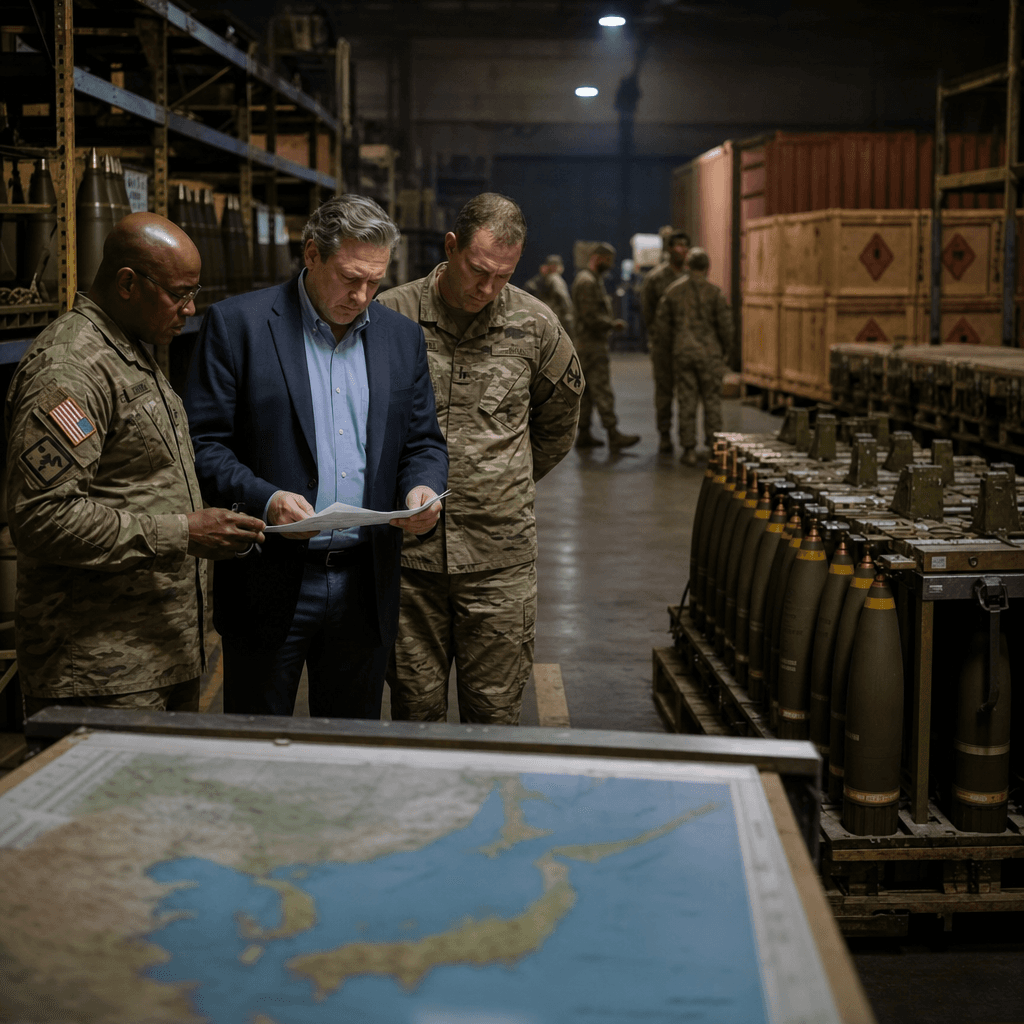
US Munitions Stocks Are Tightening After the Iran War
Washington is pausing a Taiwan arms sale while it refills interceptors and cruise missiles used in Iran. The problem is not collapse — it is delay.
The leverage now sits with the White House and Pentagon, not Taiwan. Acting Navy Secretary Hung Cao told Congress the administration has put a $14 billion Taiwan arms package on hold “to make sure we have the munitions we need for Epic Fury,” the code name for the US-Israel operation against Iran, according to Al Jazeera and
BBC News. That pause matters because the package — approved by Congress in January but still awaiting President Donald Trump’s sign-off — includes air-defense missiles such as PAC-3 systems, the very class of weapons Washington is now trying to husband,
BBC News.
The real bottleneck is industrial, not rhetorical
The US line is that stockpiles are adequate for current operations. But the evidence points to strain at the margins that will shape future decisions. Al Jazeera reported that the US fired more than 200 THAAD interceptors — roughly half its inventory — plus more than 100 SM-3 and SM-6 missiles during the Iran campaign, while Israel used fewer than 100 Arrow interceptors and about 90 David’s Sling rounds. That imbalance leaves Washington carrying a larger share of the regional air-defense burden while its own magazines thin out.
CSIS has put numbers on the problem. In an April assessment, the think tank said US forces had heavily used seven critical munitions and had expended more than half of pre-war inventory for four of them, including THAAD interceptors, Patriot missiles, and ship-launched SM-3 and SM-6 rounds, with rebuilding to pre-war levels taking one to four years, CSIS. That timeline is the strategic issue: the US can still fight today, but it is burning time it does not have before the next crisis in the Indo-Pacific or Middle East.
Who gains, who loses
Israel has gained the most operationally: US systems absorbed much of the missile-defense mission, preserving Israeli interceptors for later use, Al Jazeera. Taiwan loses first and most visibly, because its delayed package is being subordinated to a different theater. Japan and South Korea are also watching closely; both depend on US missile defense as part of deterrence against North Korea and China,
Al Jazeera. That is the larger lesson for
Conflict: US reassurance is only as credible as the missiles in the pipeline.
Congress is the next pressure point. If the administration wants to keep backing Taiwan, supporting Ukraine, and maintaining Middle East coverage at the same time, it will need money, production capacity, and time — not just talking points. BBC’s reporting makes clear the Taiwan sale still depends on Trump’s decision, so the real gatekeeper is the president, but the deeper constraint is that American industry cannot instantly replace what the military has spent, BBC News and
CSIS.
What to watch next
The next decision point is whether Trump signs off on the Taiwan sale and whether the Pentagon asks Congress for supplemental replenishment funding. If the ceasefire around Iran holds, the debate stays abstract. If fighting resumes before stockpiles are rebuilt, the US will have to choose between immediate regional defense and long-term deterrence in Asia.
Discover more

Global Politics
US Seizes Iranian Ship, Tensions Surge
The US seizure of the Iranian ship Touska highlights a shift in control over the Strait of Hormuz, favoring Iran's strategic position.
Global Politics
Trump's Conflicting Messages on Iran War
Trump's mixed messages on Iran reflect a strategy of audience management, benefiting Tehran amid a complex geopolitical landscape.

Conflict & Security
Drone Warfare Killing Aid Workers at Unprec
Over 1,000 humanitarian workers killed in three years as cheap armed drones collapse legal protections. Gaza, Sudan, Ukraine, and DRC see deliberate targeting of aid convoys and hospitals with zero prosecutions.

Global
World Normalises Taliban as Afghan Women Eras
UN data shows Afghan women erased from public life as Russia recognises the Taliban, EU hosts officials in Brussels, and ICC warrants for gender persecution go unenforced.