US Military Narco Boat Strike Deaths Rise to
Escalating US campaign against drug trafficking raises concerns.
Model Diplomat2 min readAmericas
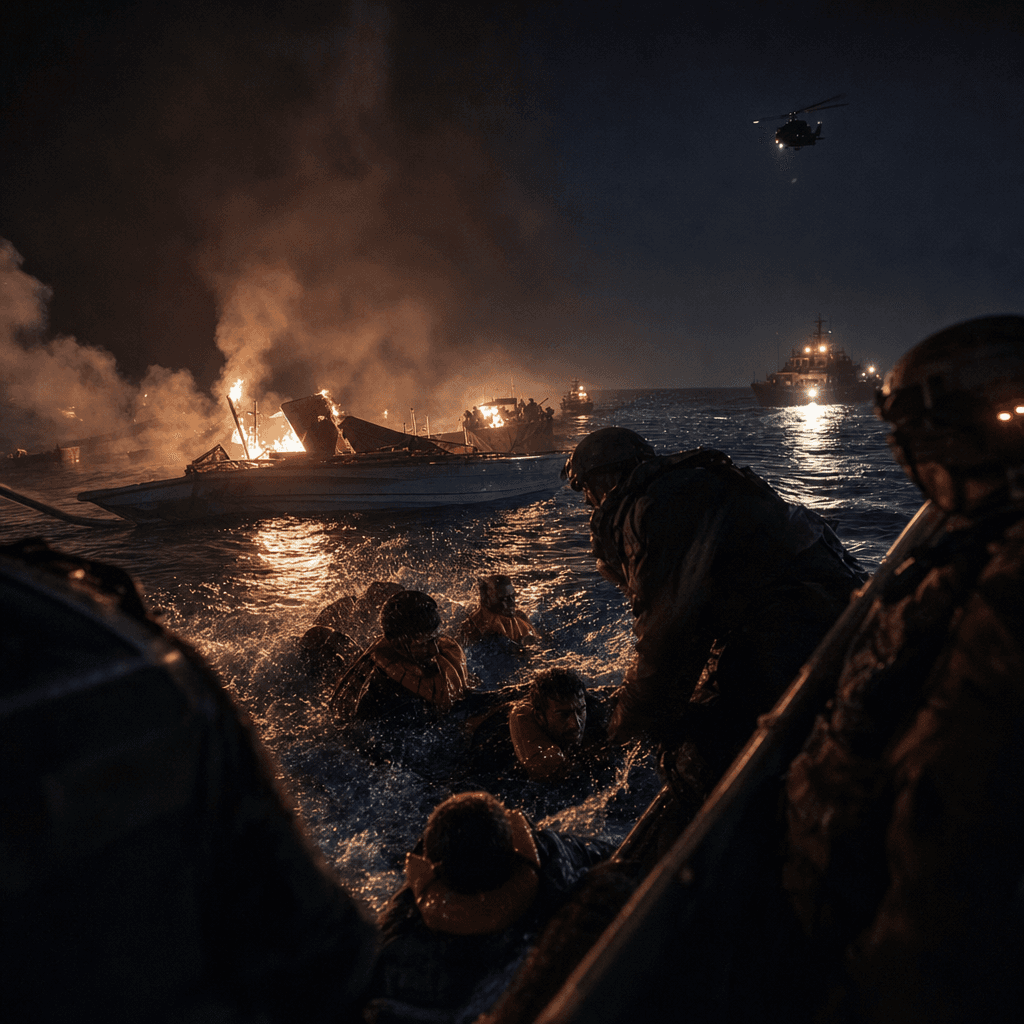
US Strike Kills Two, Pushing Narco Boat Campaign Deaths to 188
US military strike in maritime domain raises death toll in alleged narco boat campaign to at least 188, highlighting escalating tactics and regional concerns.
The US military has conducted another strike against an alleged narco boat, killing two individuals and raising the death toll in its ongoing interdiction campaign to at least 188. The operation, occurring in the maritime domain connecting the Caribbean Sea and Pacific Ocean, underscores the Pentagon's aggressive posture against transnational criminal organizations moving narcotics through the Americas.
The Campaign's Escalating Costs
This sustained lethal campaign, intensified since late 2025, is framed by US officials as a critical national security imperative to disrupt the flow of illicit drugs funding destabilizing groups. [Source: AP/May 5, 2026] The strategy relies on U.S. Southern Command's authority to interdict suspected drug trafficking vessels, with an increasingly forceful approach to neutralize armed resistance encountered on the water. [Source: Reuters/May 5, 2026] While proponents argue this tactic is necessary to overcome heavily armed and organized traffickers, the escalating death toll has drawn scrutiny. Human rights advocates and some regional governments are questioning the proportionality of the force used and the rigor of target vetting, particularly given the difficulty in distinguishing between hardened criminals and individuals coerced into service. [Source: The Guardian/May 5, 2026] This marks a significant development in Global Politics.
Power Dynamics and Regional Stakes
The United States wields significant technological and military advantage, enabling these long-range interdiction operations far from its shores. This power is being exerted to project security and combat drug flows, a mission that nominally benefits transit and destination countries by potentially reducing drug availability and associated crime. However, this unilateral action also risks alienating regional partners, who may perceive it as an overreach or a violation of maritime governance norms. The primary beneficiaries are US anti-narcotics agencies seeking to disrupt supply chains, while potential losers include the targeted trafficking syndicates and any civilians or low-level operatives caught in the crossfire, alongside states concerned about sovereignty. [Source: Council on Foreign Relations/April 2026]
What to Watch Next
The immediate focus will be on the US response to any escalations from trafficking networks and further international reaction. Watch for clarification on ROE (Rules of Engagement) governing these maritime strikes and whether any specific diplomatic pressure emerges from impacted South American nations, particularly concerning violations of maritime law, ahead of the UN General Assembly's security review in September.
Discover more

Global Politics
US Seizes Iranian Ship, Tensions Surge
The US seizure of the Iranian ship Touska highlights a shift in control over the Strait of Hormuz, favoring Iran's strategic position.

Conflict & Security
Drone Warfare Killing Aid Workers at Unprec
Over 1,000 humanitarian workers killed in three years as cheap armed drones collapse legal protections. Gaza, Sudan, Ukraine, and DRC see deliberate targeting of aid convoys and hospitals with zero prosecutions.

Global
World Normalises Taliban as Afghan Women Eras
UN data shows Afghan women erased from public life as Russia recognises the Taliban, EU hosts officials in Brussels, and ICC warrants for gender persecution go unenforced.
Conflict & Security
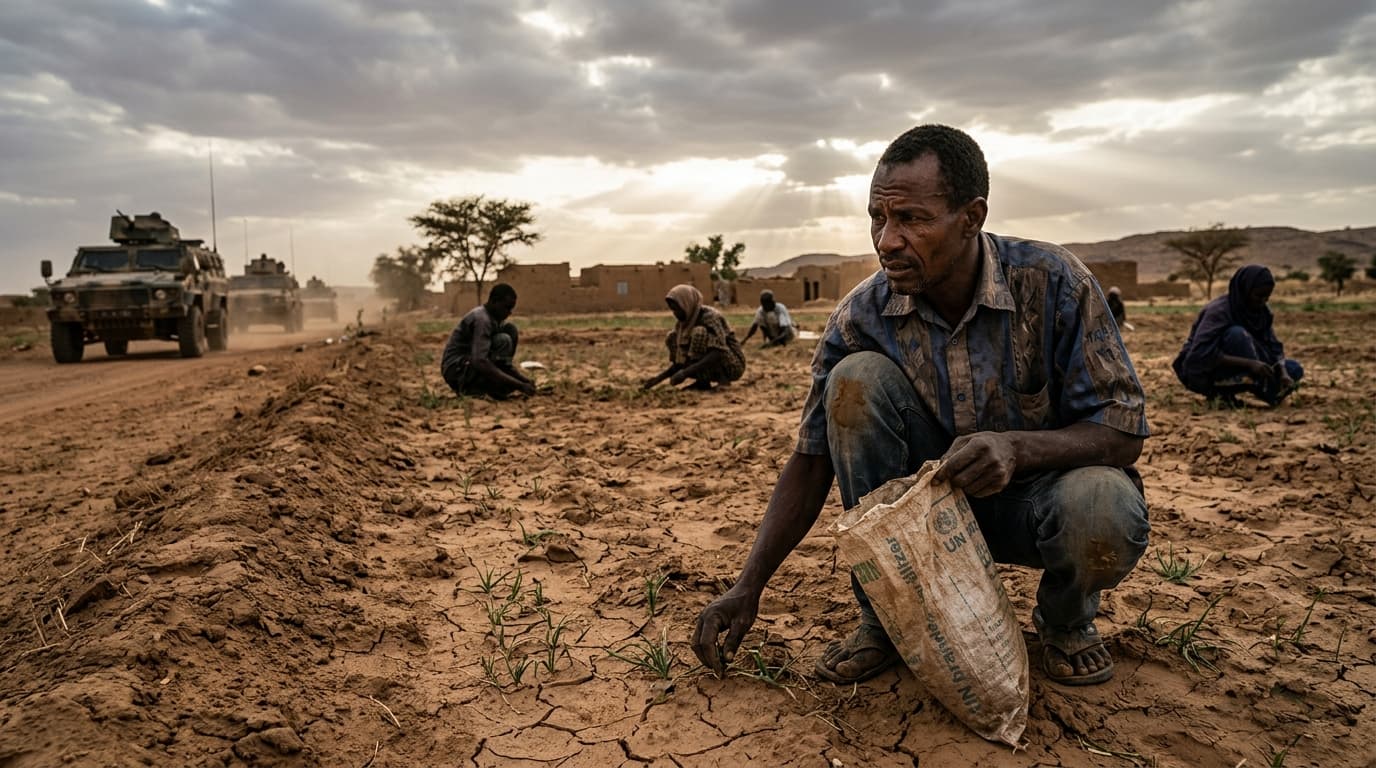
West Africa Food Crisis: Three Shocks in 2026
Conflict, climate extremes, and the Strait of Hormuz closure drive a severe food crisis in West and Central Africa, with fertilizer prices surging 80% and millions displaced.