China Urges Delay of UNIFIL Exit in Lebanon
Beijing seeks to extend UN peacekeeping presence in Lebanon.
Model Diplomat2 min readMiddle East

China Moves to Reopen UNIFIL Exit Plan in Lebanon
Beijing is using its May Security Council presidency to slow UNIFIL’s 2026 exit, arguing Lebanon’s border is too unstable for a drawdown.
China is using its May presidency of the UN Security Council to challenge a decision the Council made only last year: ending the UN Interim Force in Lebanon (UNIFIL) by the end of 2026. China’s UN ambassador Fu Cong said the Council should revisit that drawdown because there is no durable ceasefire on the Israel-Lebanon border and because Israeli strikes on Lebanon are continuing China says UN should revisit Lebanon peacekeeping mission decision | Reuters.
Why Beijing is pushing now
This is a power play with limited but real leverage. As Council president, China cannot decide UNIFIL’s future on its own, but it can force the issue onto the agenda and shape the debate before the UN Secretariat presents options in June Reuters.
The underlying logic is straightforward: once a peacekeeping drawdown is locked in, reversing it gets harder politically and bureaucratically. Beijing is trying to move before that momentum hardens. That matters because UNIFIL has operated in southern Lebanon since 1978, and the mission’s role in monitoring the post-2006 ceasefire architecture was reinforced by UN Security Council Resolution 1701 after the Israel-Hezbollah war Reuters
Security Council Unanimously Adopts Resolution 1701 (2006).
For readers tracking the wider international and
conflict picture, the key point is that China is positioning itself as the defender of an existing UN security mechanism at the exact moment that mechanism was supposed to start winding down.
Who gains if the plan is reopened
Lebanon gains bargaining space. Any delay in UNIFIL’s exit preserves an international buffer on the border and keeps a UN reporting channel alive. The UN peacekeeping system also gains time: UN peacekeeping chief Jean-Pierre Lacroix has already indicated that some form of presence could continue after 2026 Reuters.
The immediate loser is the camp that wanted last year’s unanimous drawdown decision to stand as written. Reopening it weakens the argument that the Council can reduce its footprint on schedule regardless of conditions on the ground. Reuters also reported skepticism among diplomats about redesigning the mission while the border remains unstable, which cuts both ways: it underlines the case for keeping a presence, but also the difficulty of defining a safer, smaller successor force Reuters.
What to watch next
The next decision point is June, when the Secretariat is expected to examine options for UNIFIL’s future Reuters. If that review shifts from a full exit to a residual presence, China will have changed the baseline. If it does not, Beijing will need to convert Council airtime into votes. That is the real test: not whether China can reopen the conversation, but whether it can build a coalition to stop the clock on 2026.
Discover more
Global
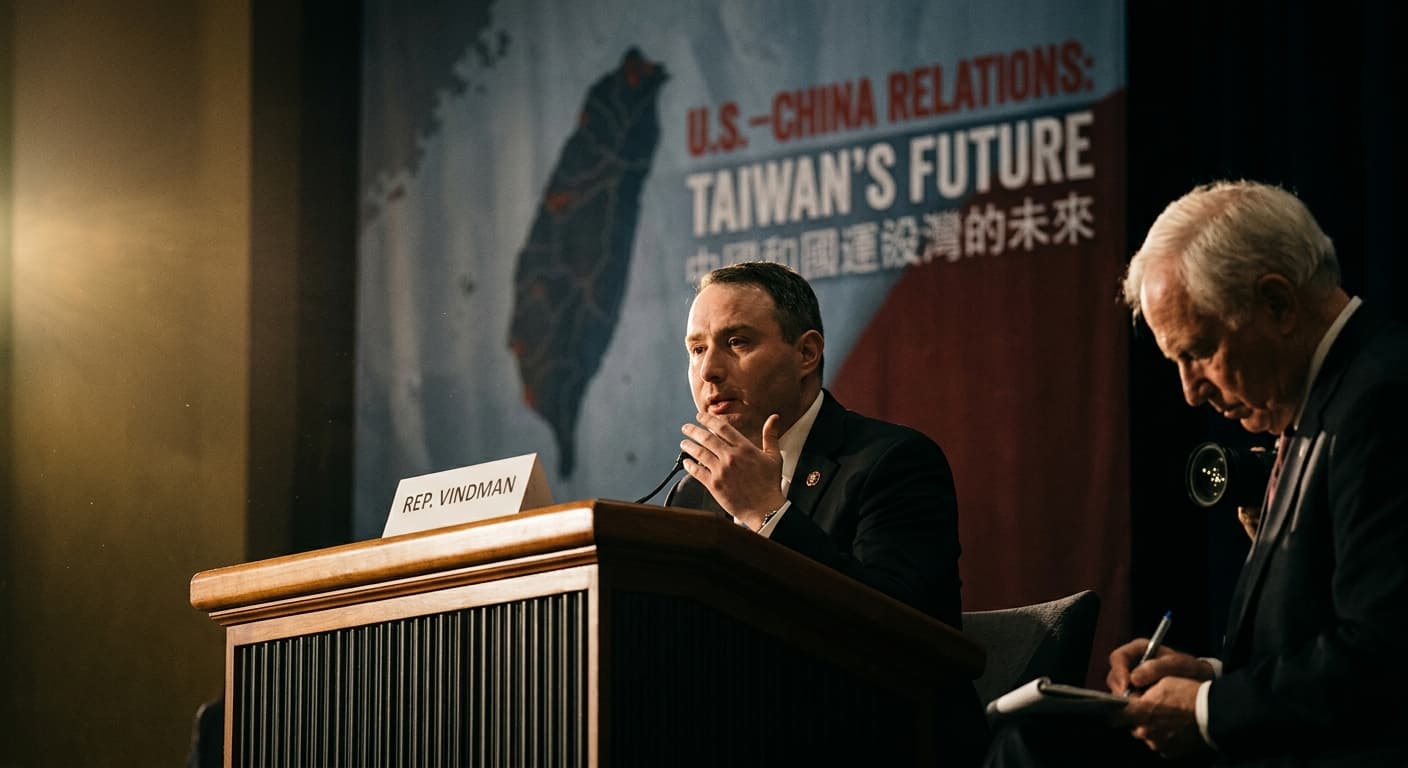
Vindman's Call for U.S. Response to China
Rep. Eugene Vindman highlights the urgent need for a U.S. strategy to counter China's gray-zone tactics against Taiwan, emphasizing economic stakes.
Global
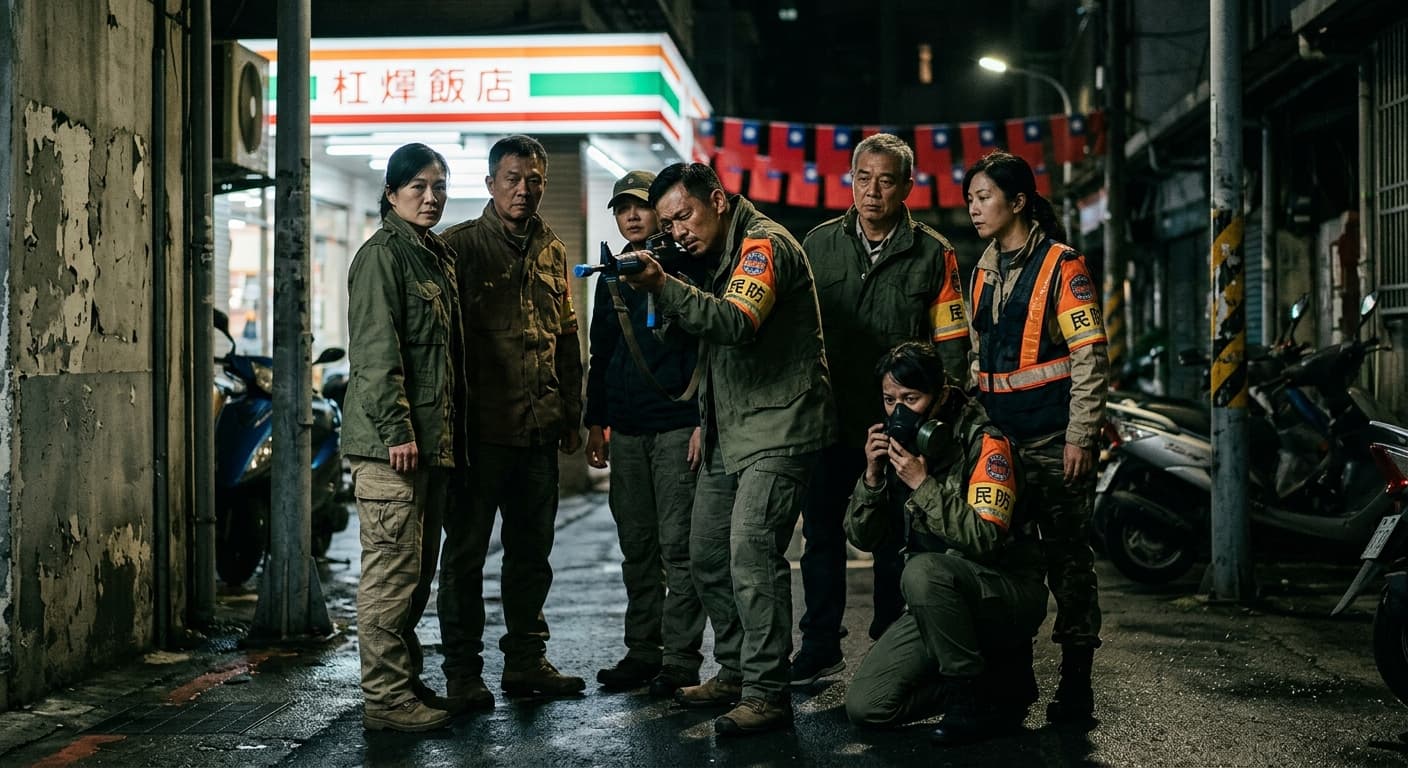
Taiwan's Civil Defense: Deterrence Strategy
Taiwan's National Security Council emphasizes civil defense drills as a deterrent against Chinese military aggression, amid budget cuts and rising tensions.
Global
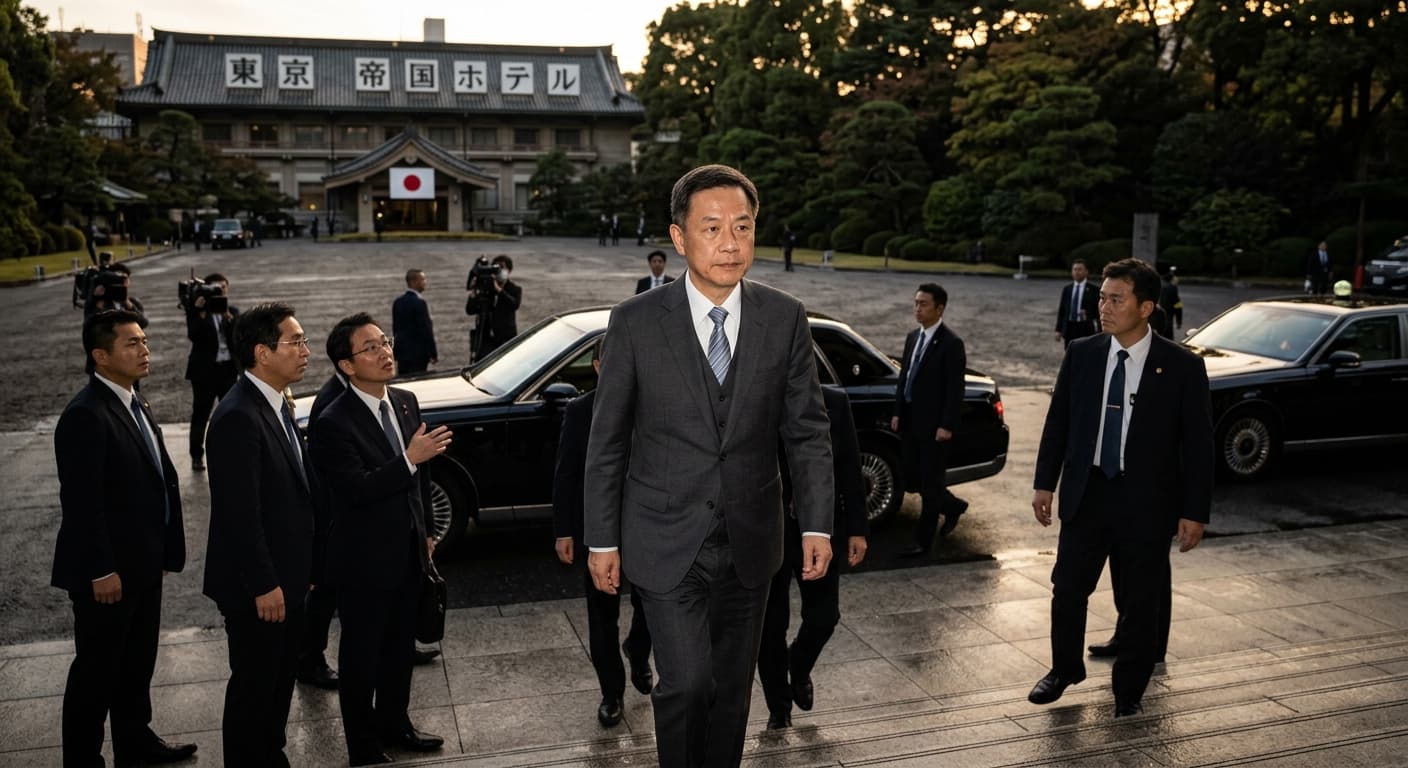
Taiwan Premier's Historic Tokyo Visit
Taiwan Premier Cho Jung-tai's visit to Japan breaks a 54-year precedent, signaling a shift in Indo-Pacific dynamics amid China's coercion.
India
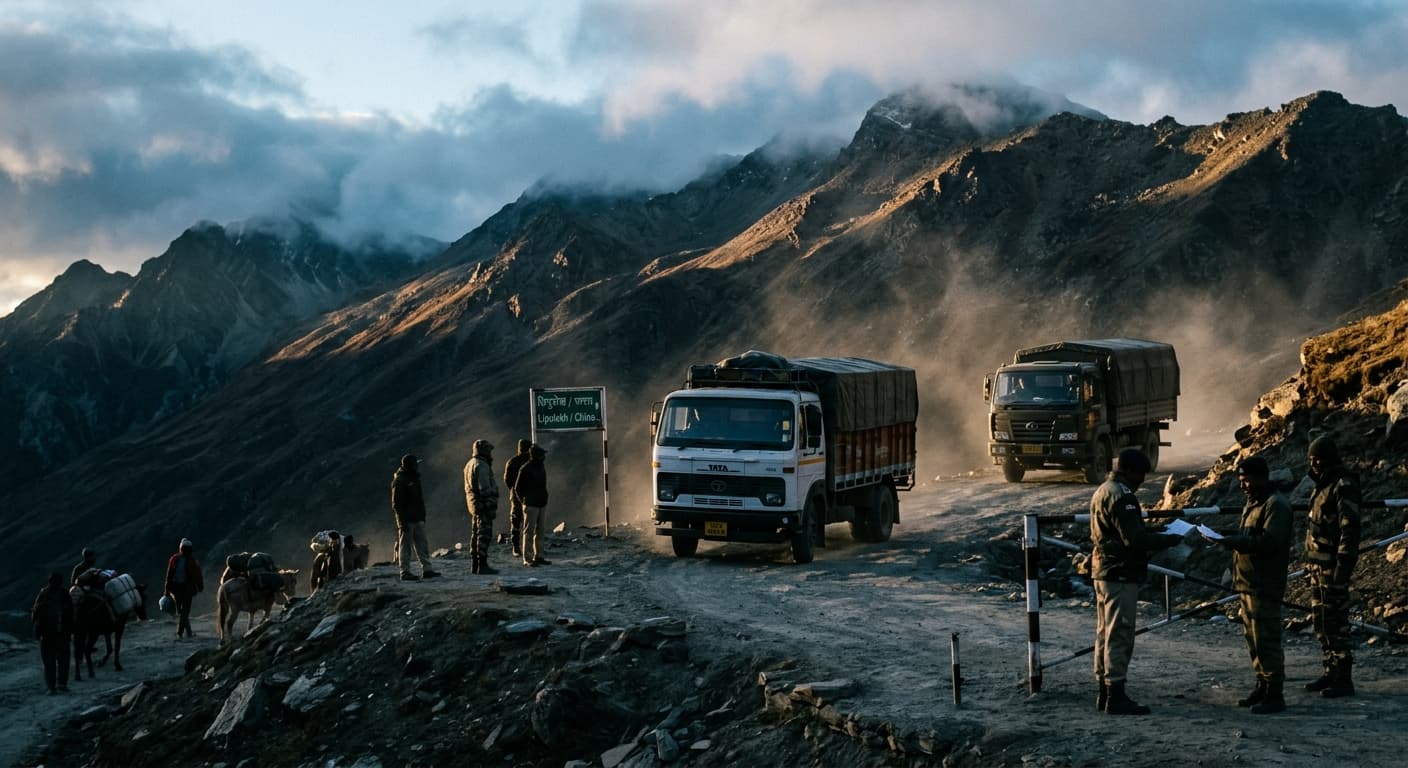
Lipulekh Pass Reopens: India-China Trade
India and China reopen the Lipulekh Pass for cross-border trade, signaling a cautious thaw in relations after years of frozen frontier and diplomatic tensions.